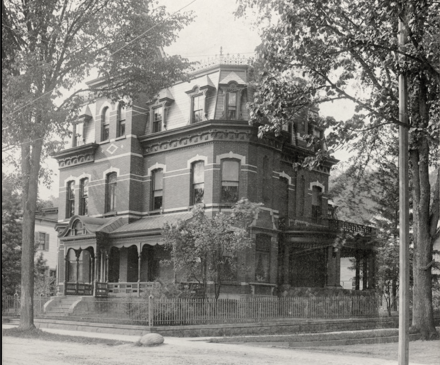
From House to Library: 5. Dining Room
Dining Room: A Glimpse into the Past
On the December 1st, 1890, the magazine The Decorator and Furnisher talks about dining room decoration stating, "good taste dictates that it should be light, sparkling, radiant. The age of sombre dignity is past. Social functions are growing more spontaneous and unconventional. As cultivation supersedes formality, original decorations and service daily grow in favor." When reading historical texts, it is crucial to reject our 21st-century notions of what "light and sparkling" means. Today, people might interpret "light and sparkling" as a bright white room with minimal design, but the 19th-century ethos was different. These rooms were still heavily decorated, with ornate walls and many times the ceilings as well, often featuring a variety of decorative elements. "Sparkling" could also refer to metallic or glossy finishes. The article further elaborates on the concept, stating that "walls may be papered or painted with any one of the shades of yellow, ranging from buff through café au lait to deep gold brown, whichever best suits the light. Deep tints only fit a room in which the sunshine falls strong all day long; in that case, chocolate, olive, and russet are admissible." Regarding floors, many magazines from the last two decades of the 19th century consistently note that "the floor, no one who has ever used wood, either hard or soft pine, stained will ever willingly carpet the entire room. The rug of Indian figures ought to be large enough to prevent the scraping of chairs on the bare floor." The owners of this home you will see also followed this trend.
In many modern homes, the dining room, once a central gathering space, is now reserved for special occasions—or in some cases, it has been minimized or omitted altogether. Let’s travel back in time to when the dining room was a major part of daily life and see what it once looked like.
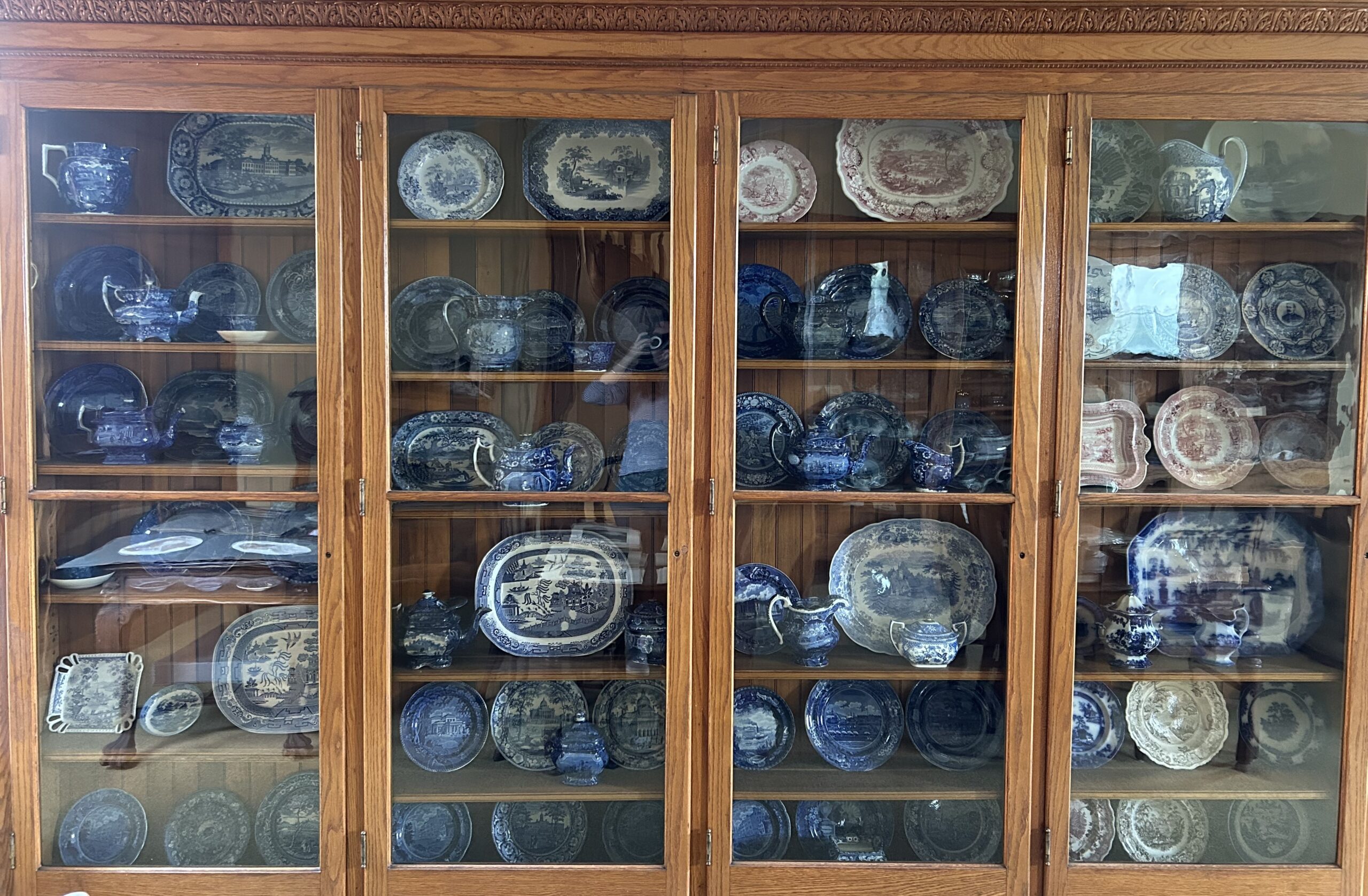
One last special thanks to Julia Yardley, Library Director at the Little Falls Public Library and for allowing me to visit and explore the "China Room" collection. Passed down from the original owners of the home, this collection gave me the opportunity to match some of the items to the original photographs.
Don't forget to click the pictures to make them bigger.
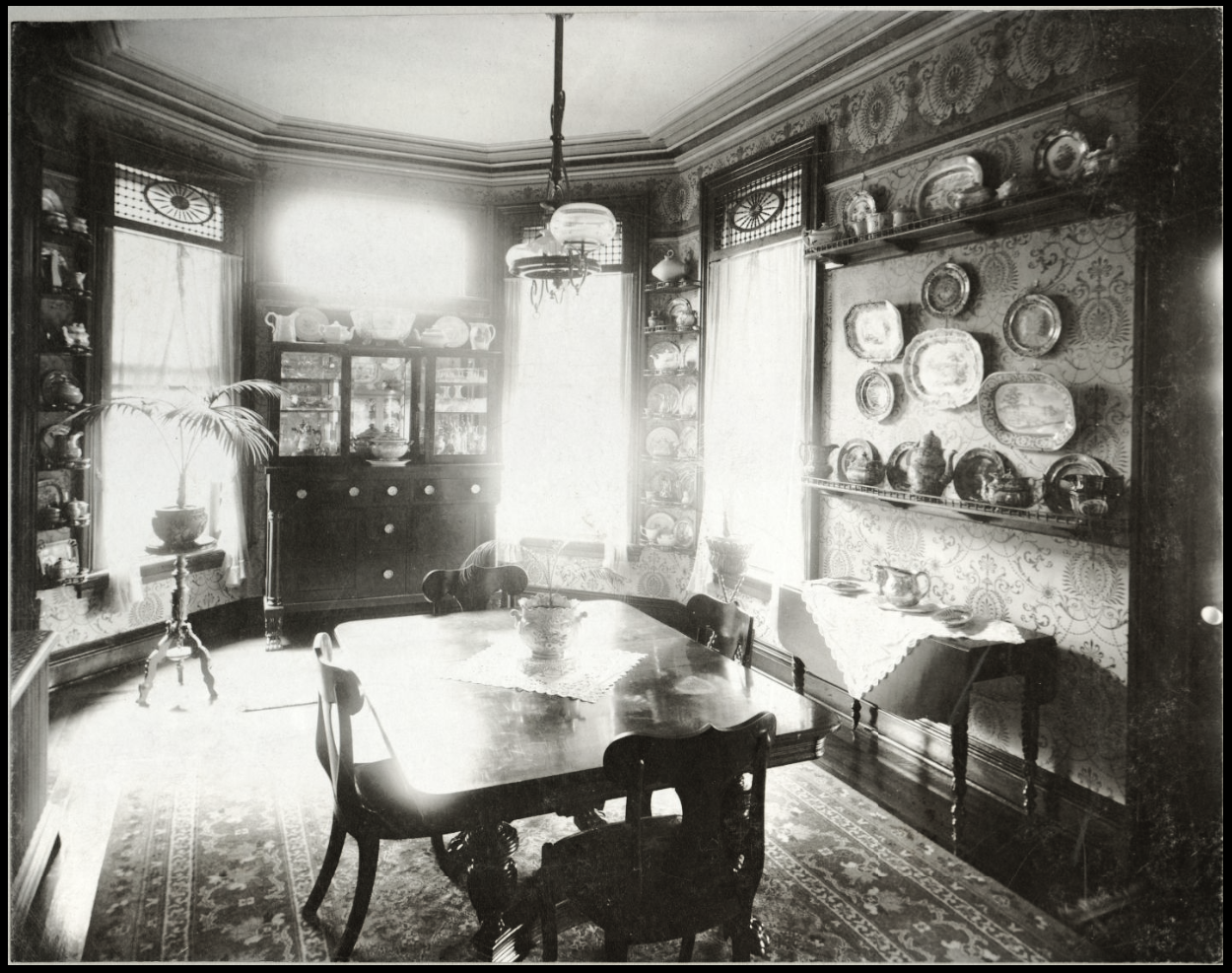
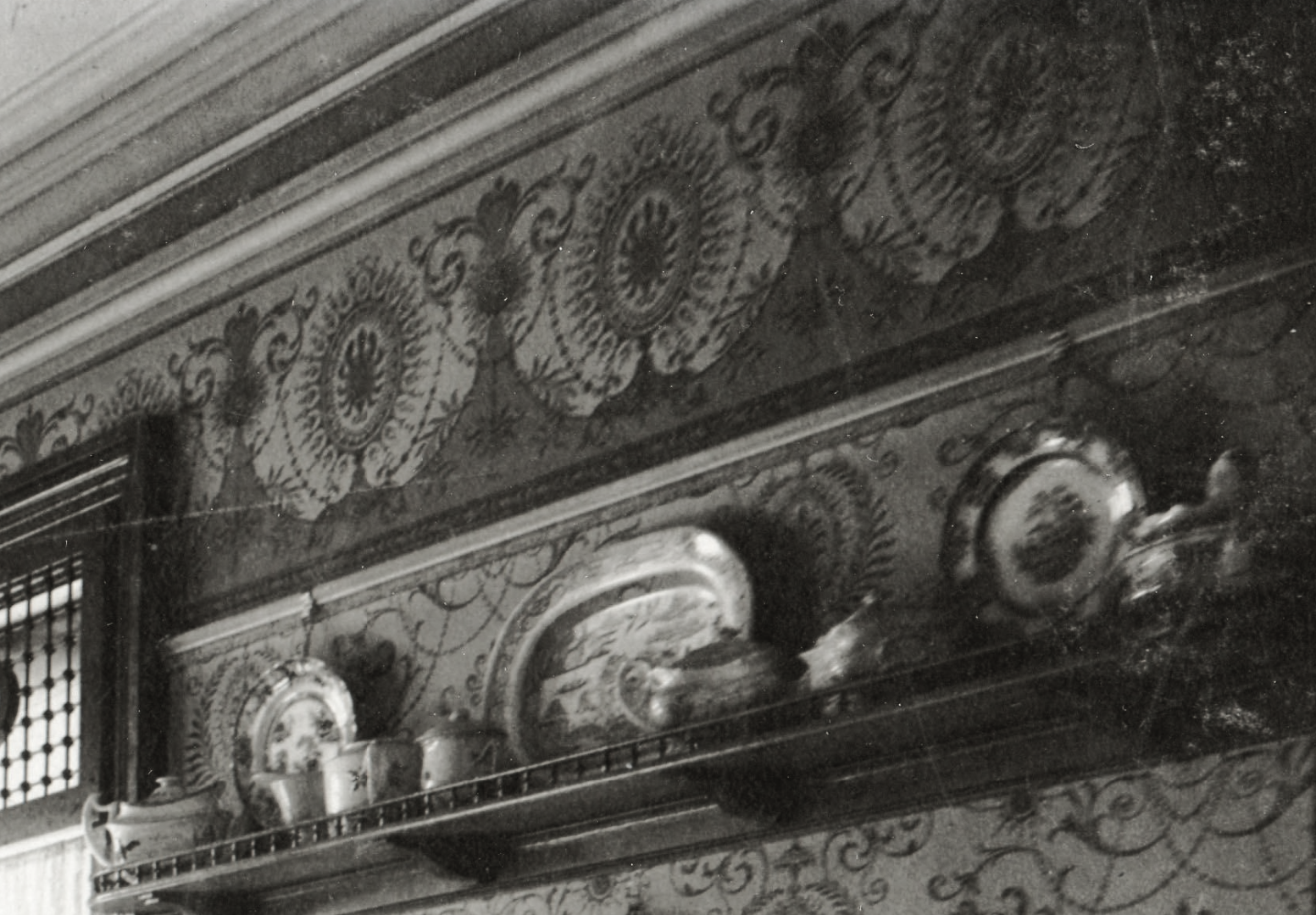
The next 3 pictures are some of the items currently on display at the museum, alongside side-by-side comparisons of the collection with what is shown in the picture.

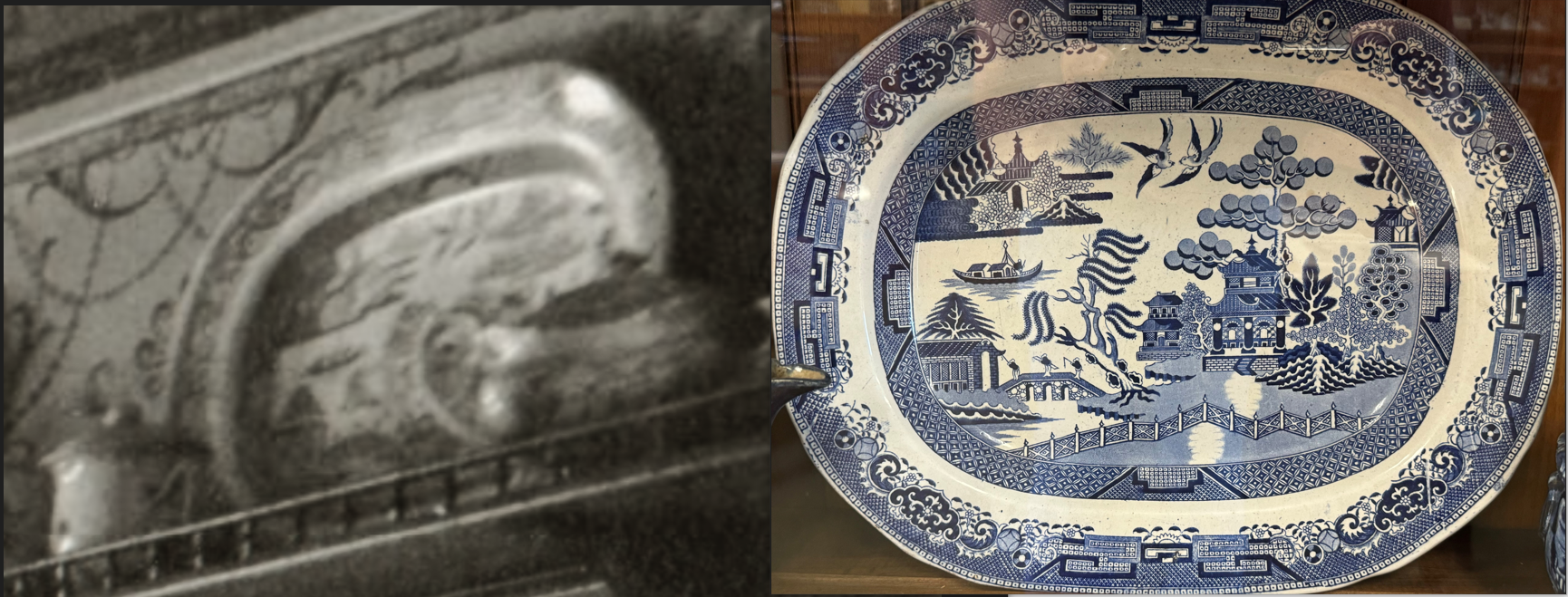
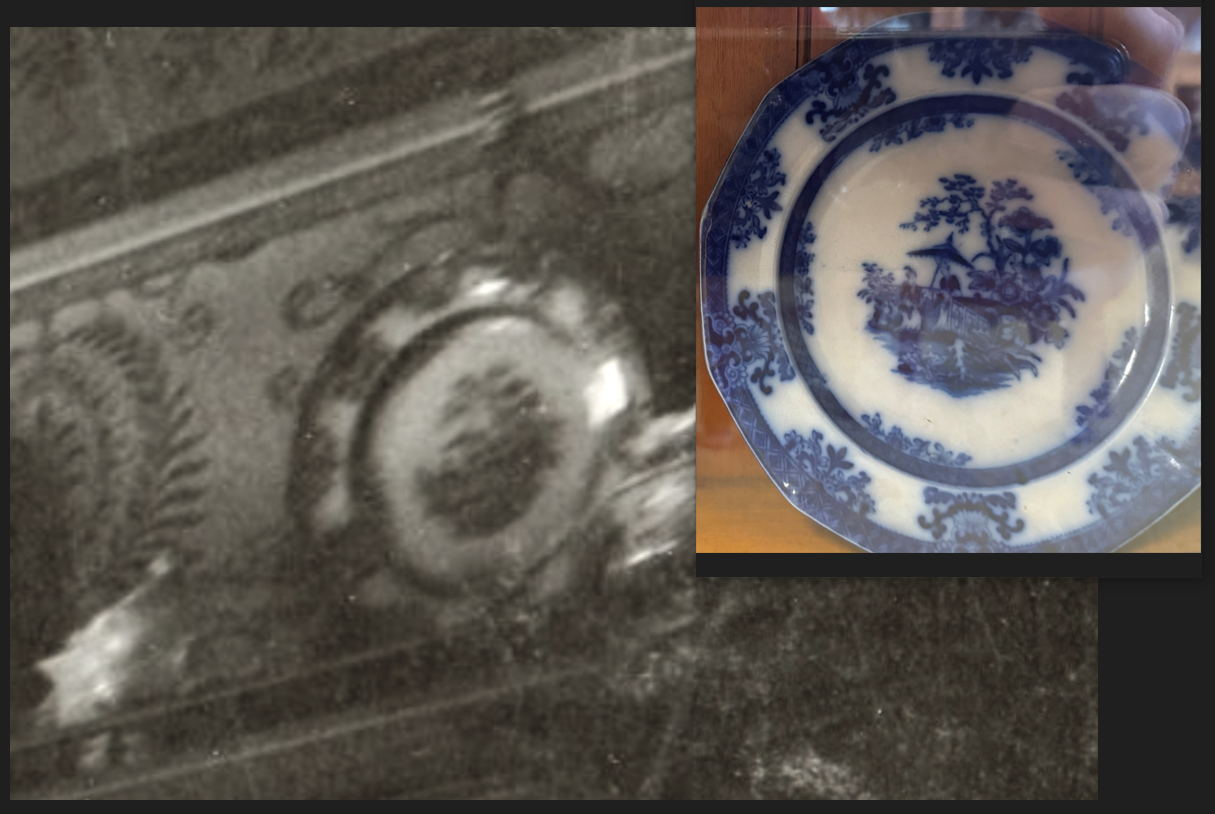
Scroll down to see some of these wall plates and platters that are preserved in the library’s collection case today.


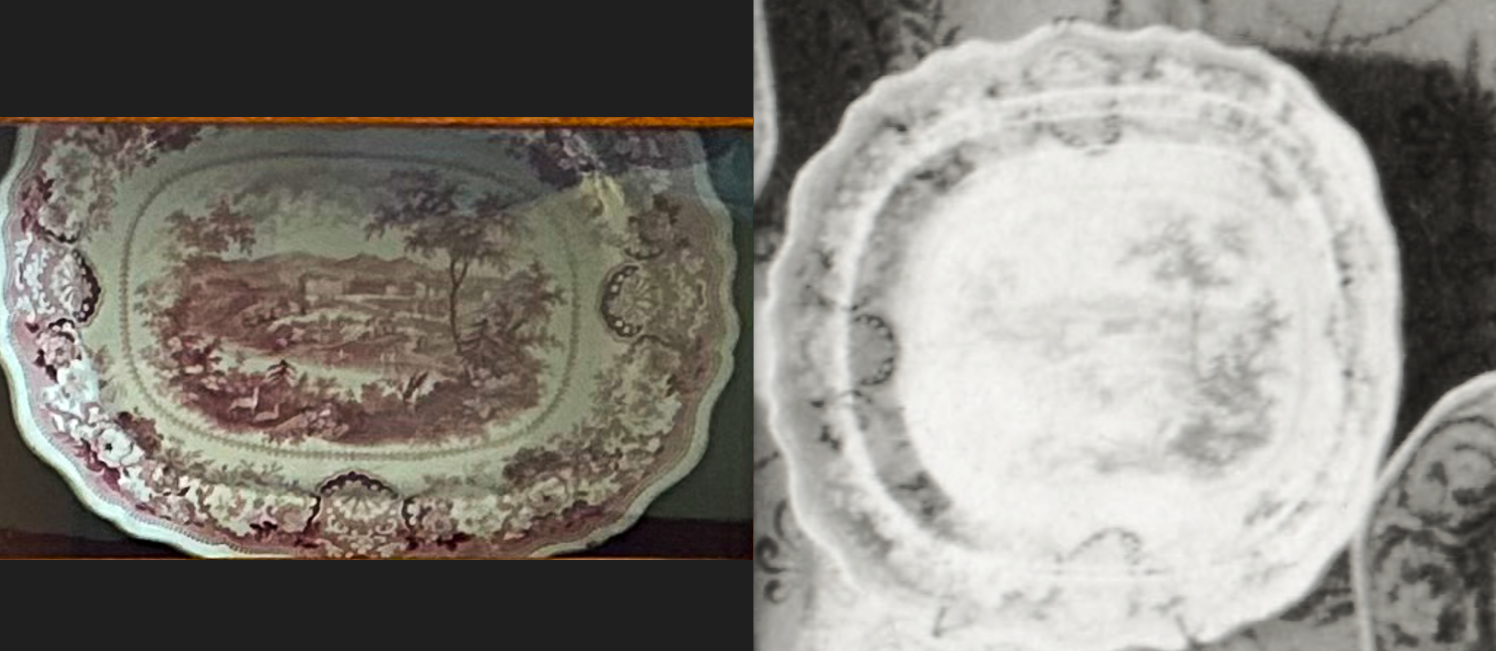
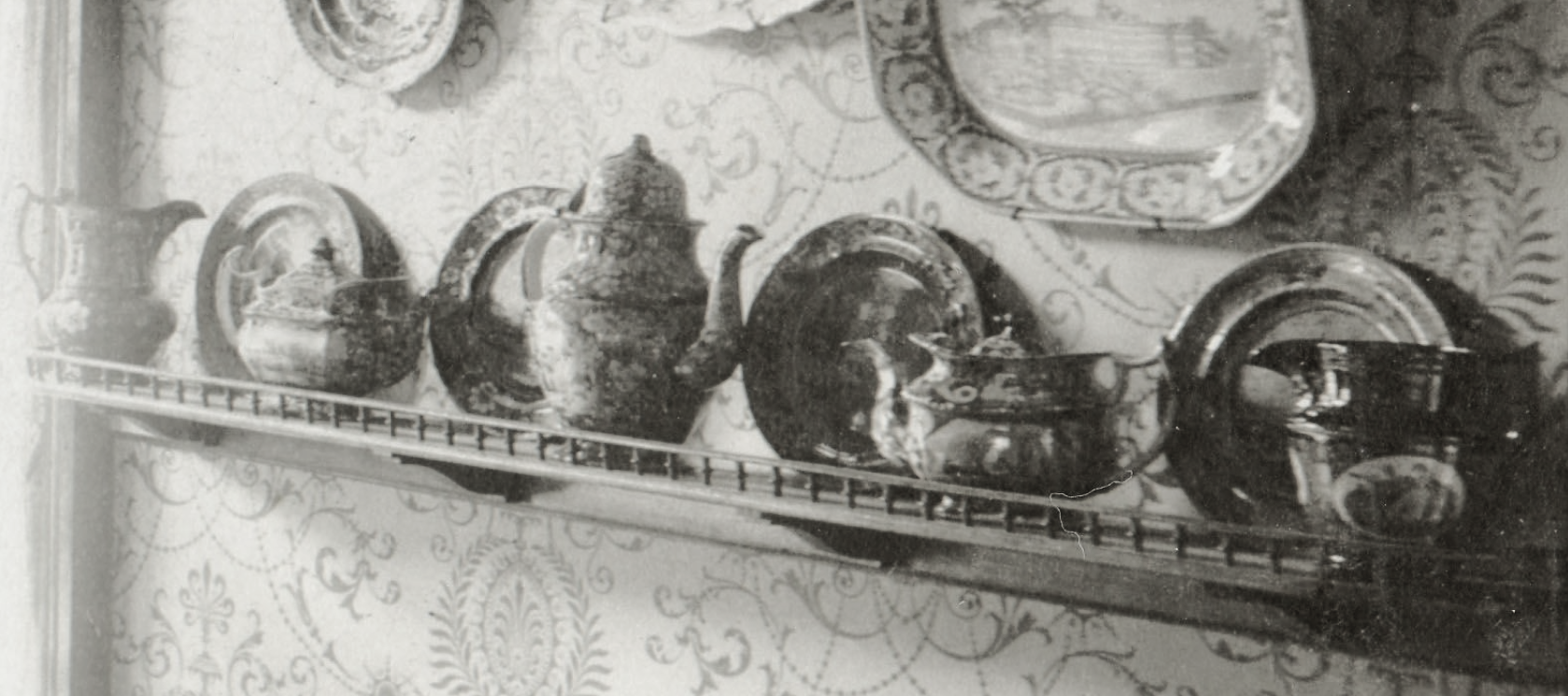
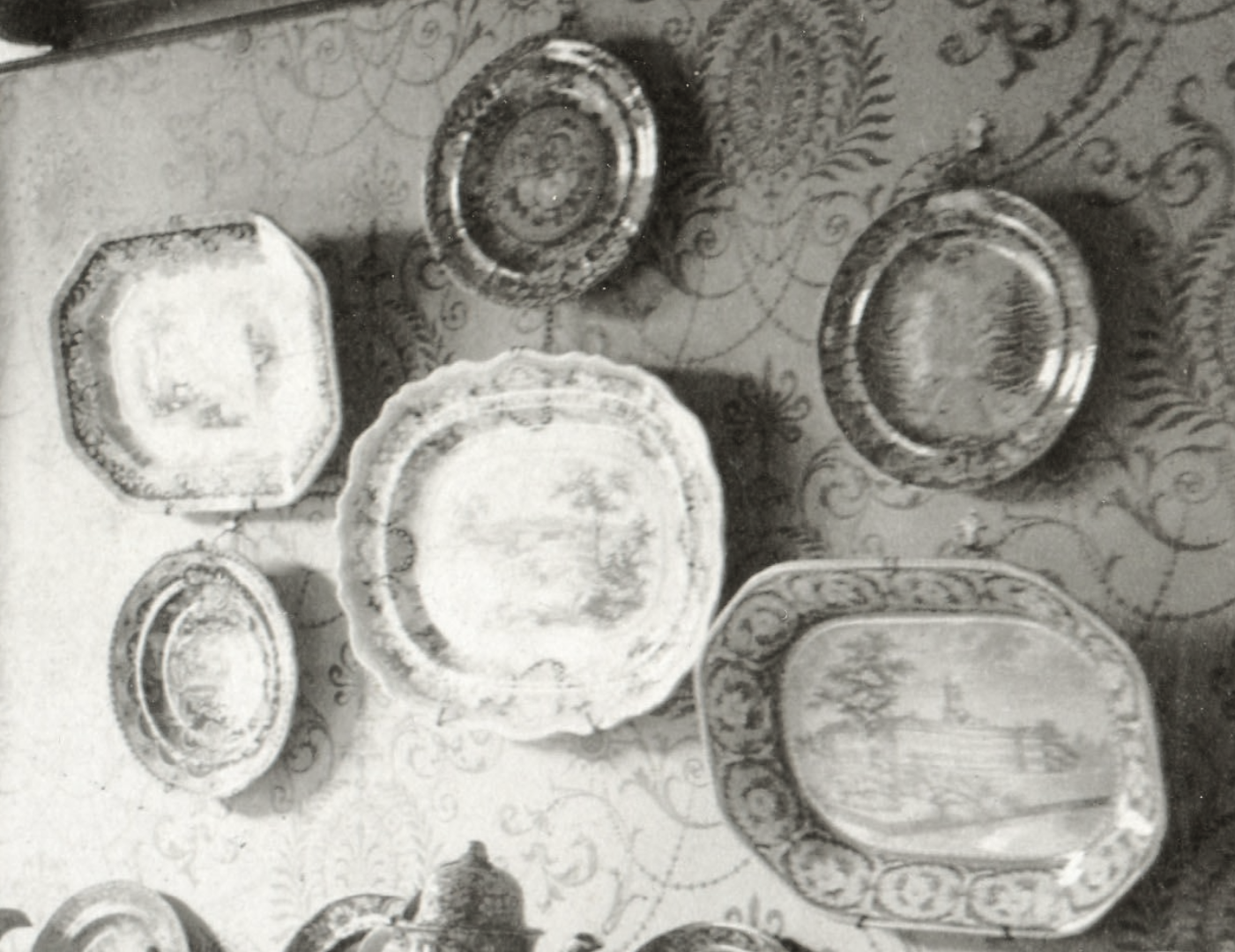
Below, we can identify some more items from the library collections against the original photo:


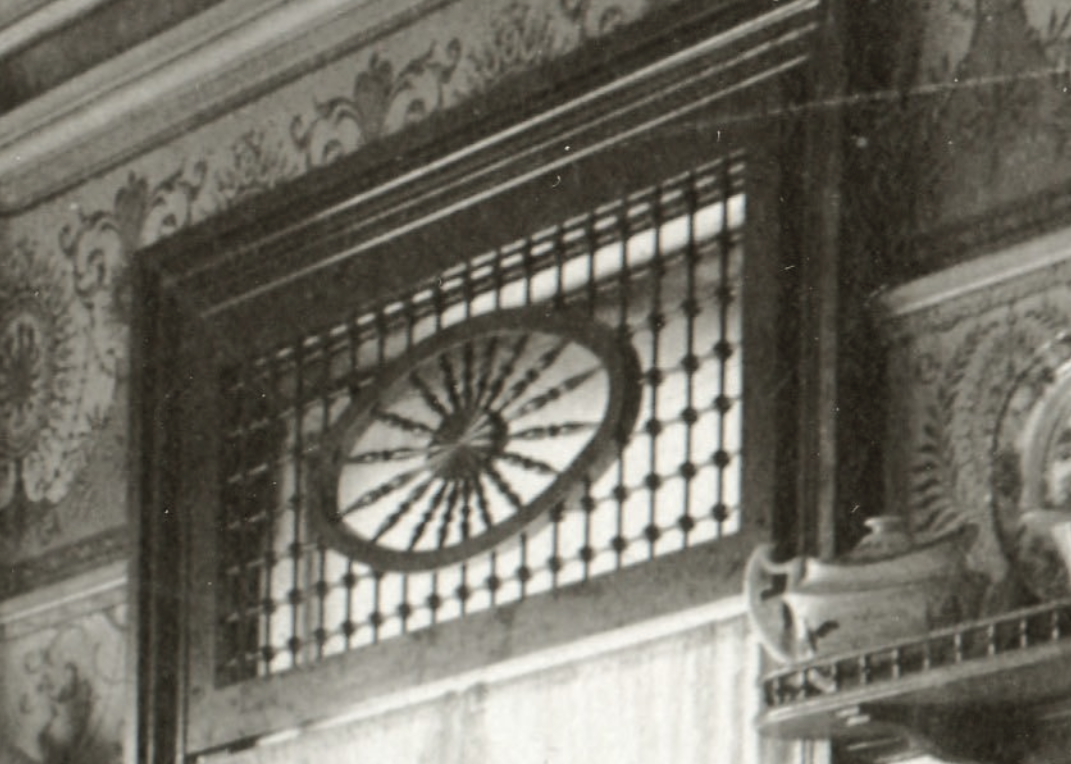
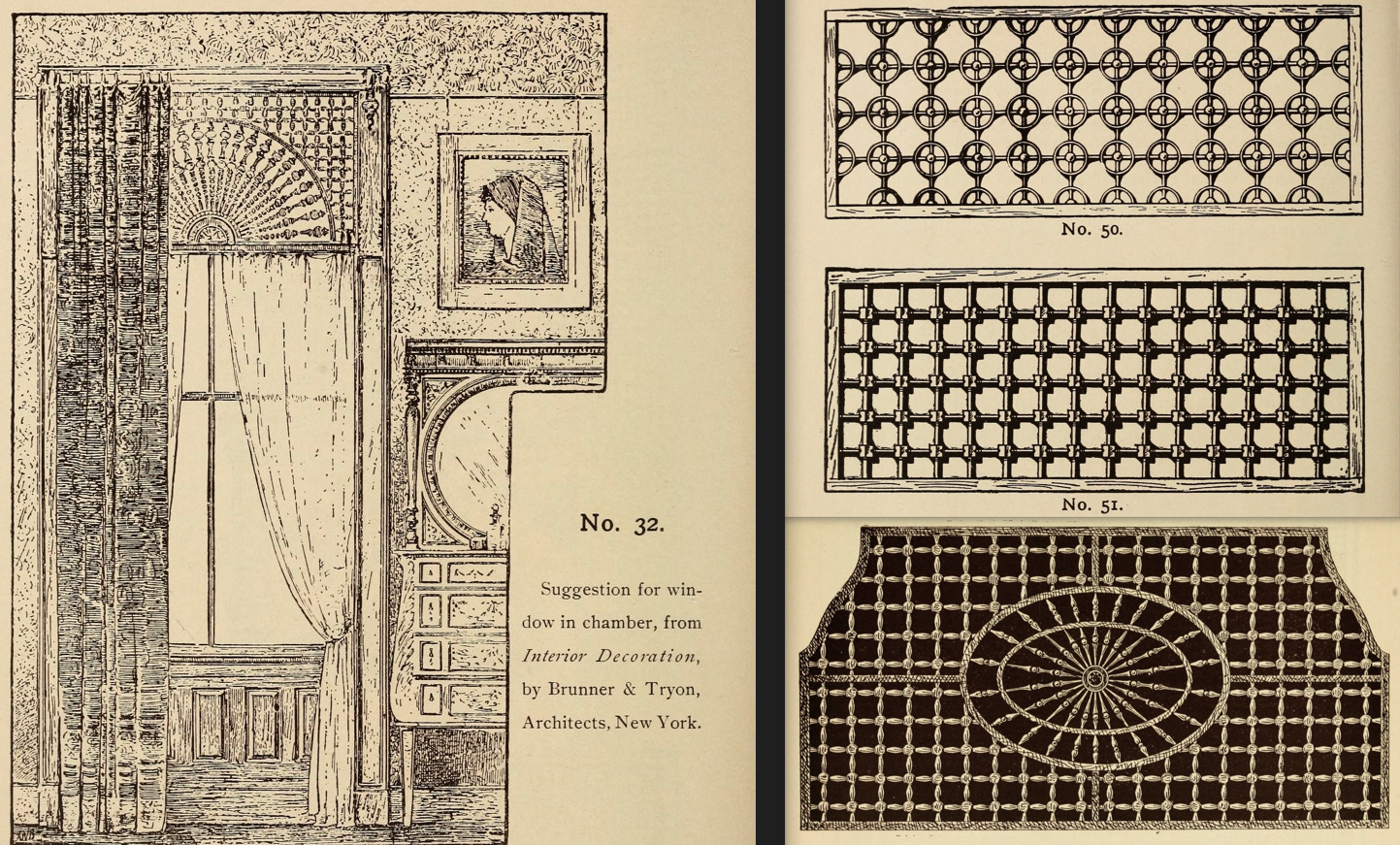
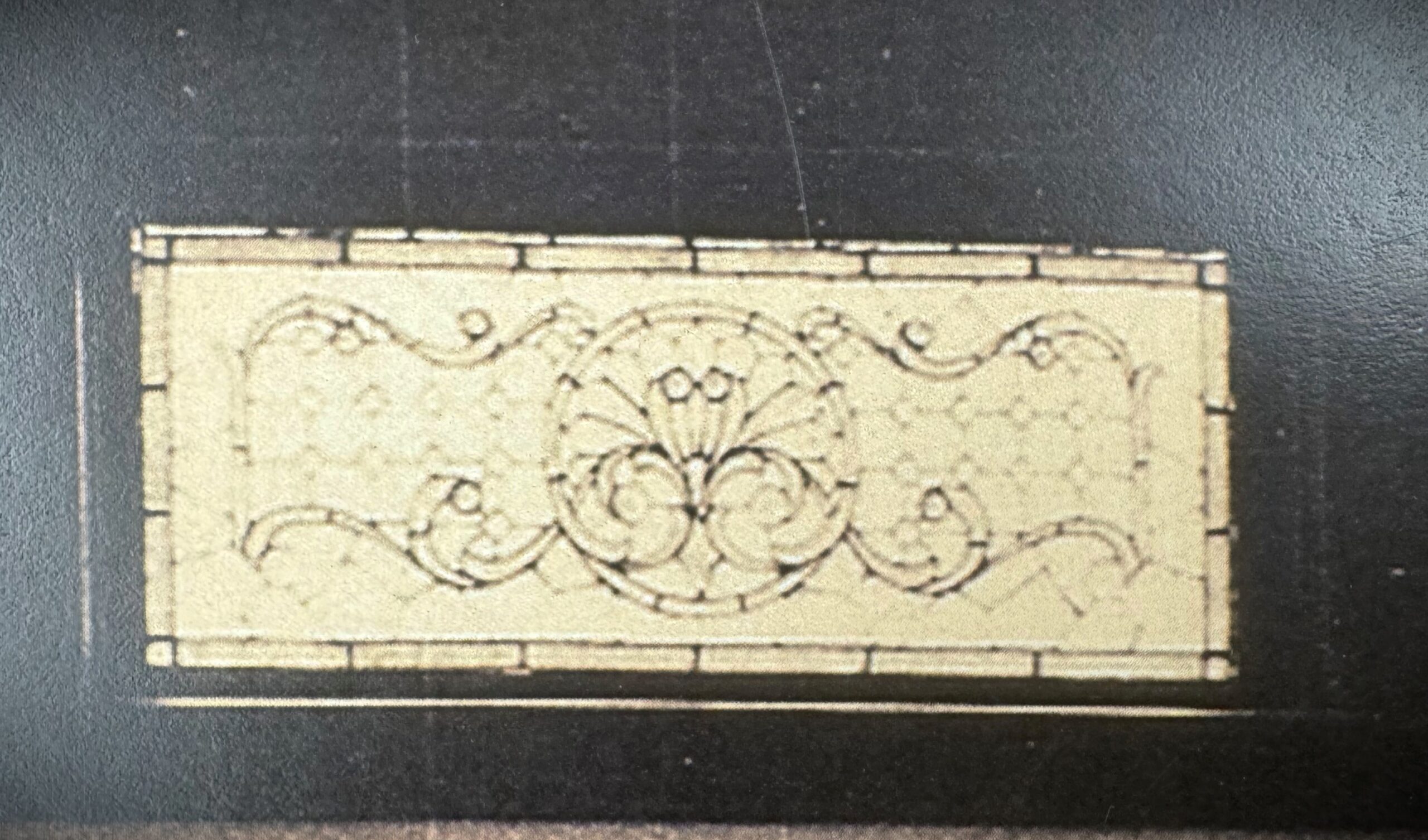
The 1889 book Our Doors and Windows: How to Decorate Them by Cutting and DeLaney of Buffalo may have served as a catalog from which homeowners could select their designs. While this is speculative, it is known that many grilles and fretwork pieces were easily ordered and customizable during the era.
You can explore the catalog yourself here.
The book referenced in that catalog called Interior Decoration from 1887 can be found on google here.
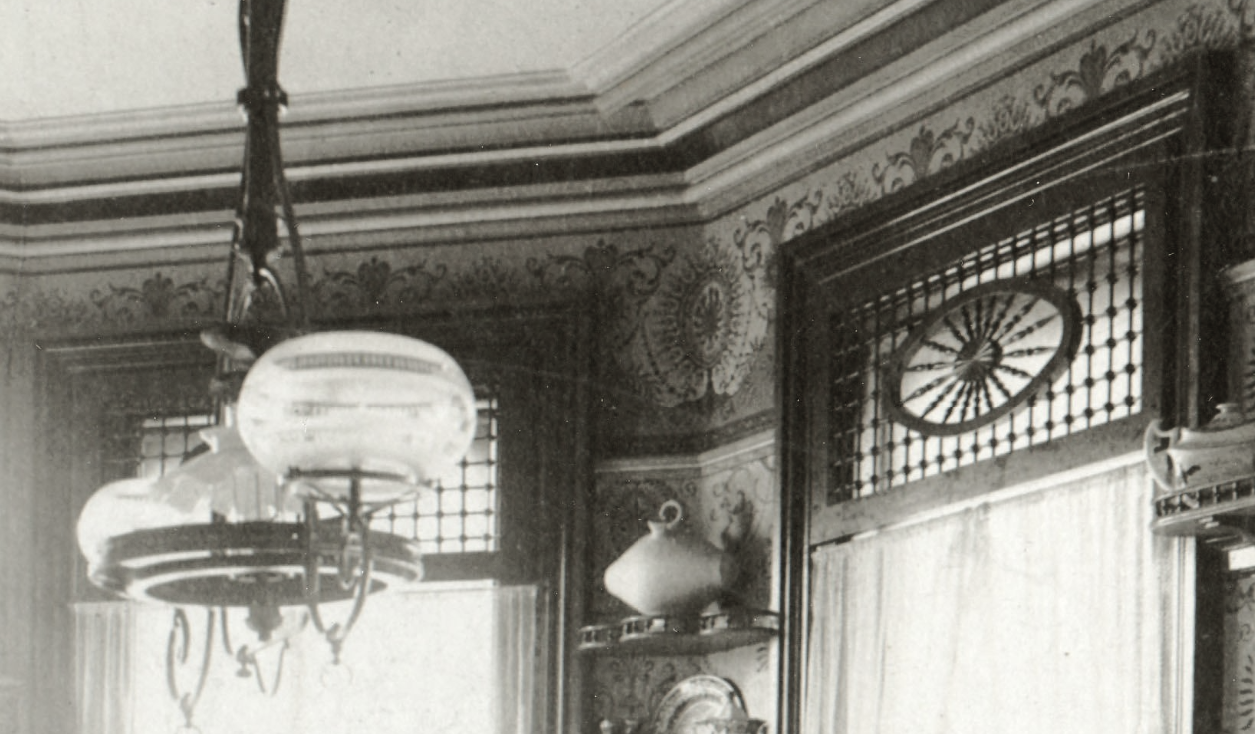
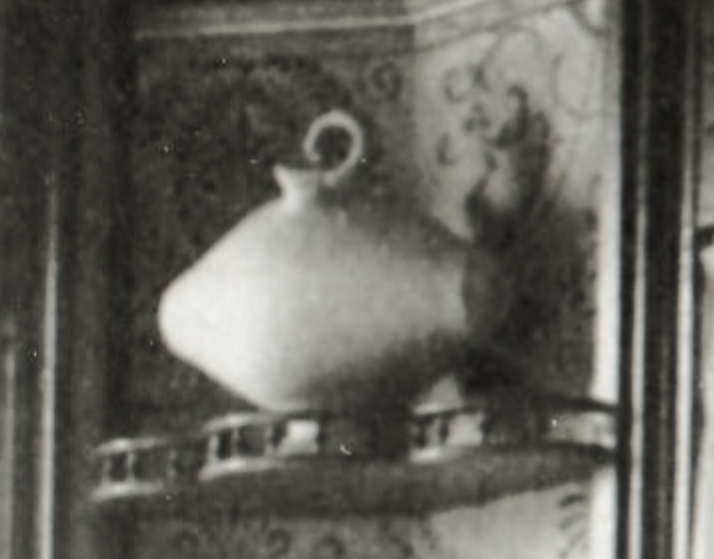
What is that??
Can you identify this unique item? I hope some of our experts can offer insights. Put your thoughts in the comments section below. This unusual item is not in the library collection today. Also, note the unique shape of the corner shelves, which add a distinctive touch to the room.
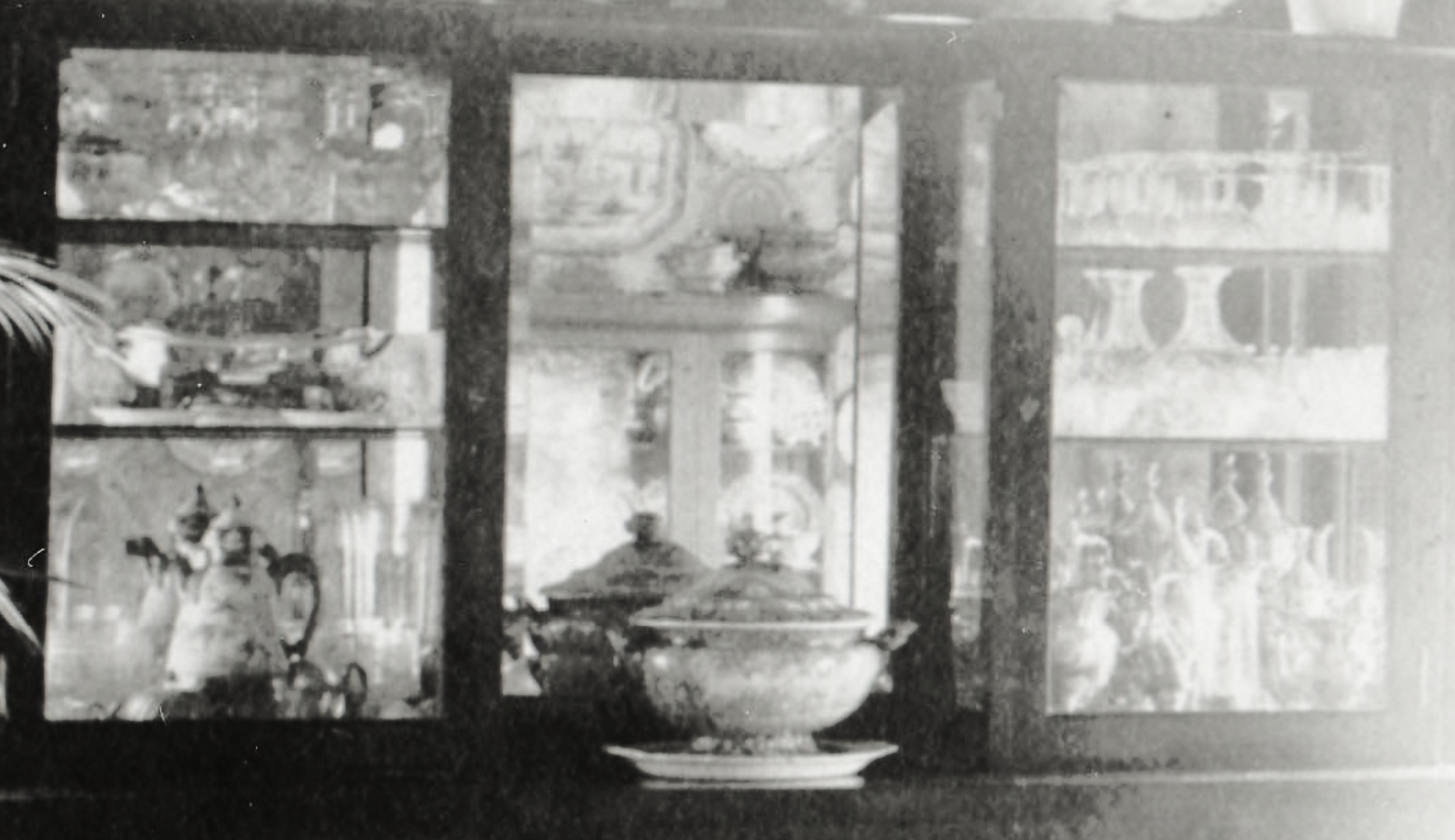
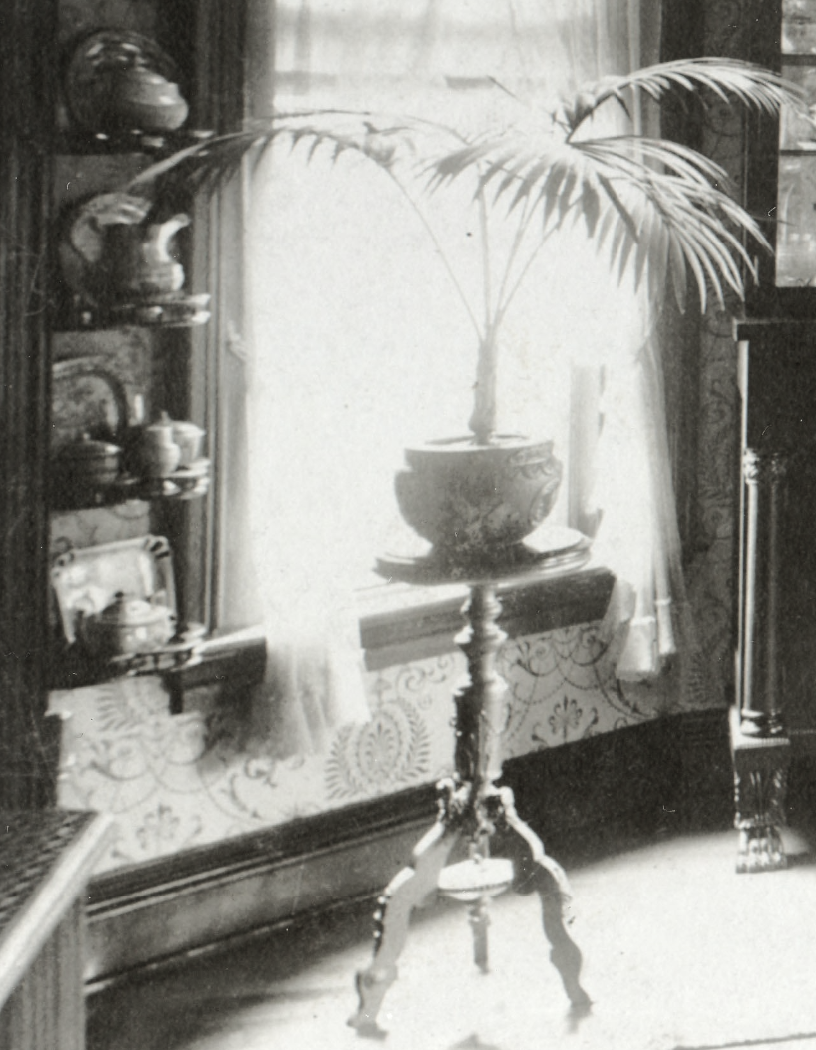

Before the 20th-century library renovation, this dining room served as an additional reading room. Gone are the fretwork grilles and shelves, but the stained glass window remains, with a bookcase occupying the former China closet’s location. At some point, a metal ceiling was also installed. It is unclear however if this was done during any of the renovations by the owners or by the library. Metal ceilings, now known as tin ceilings, were popular well into the 20th century.
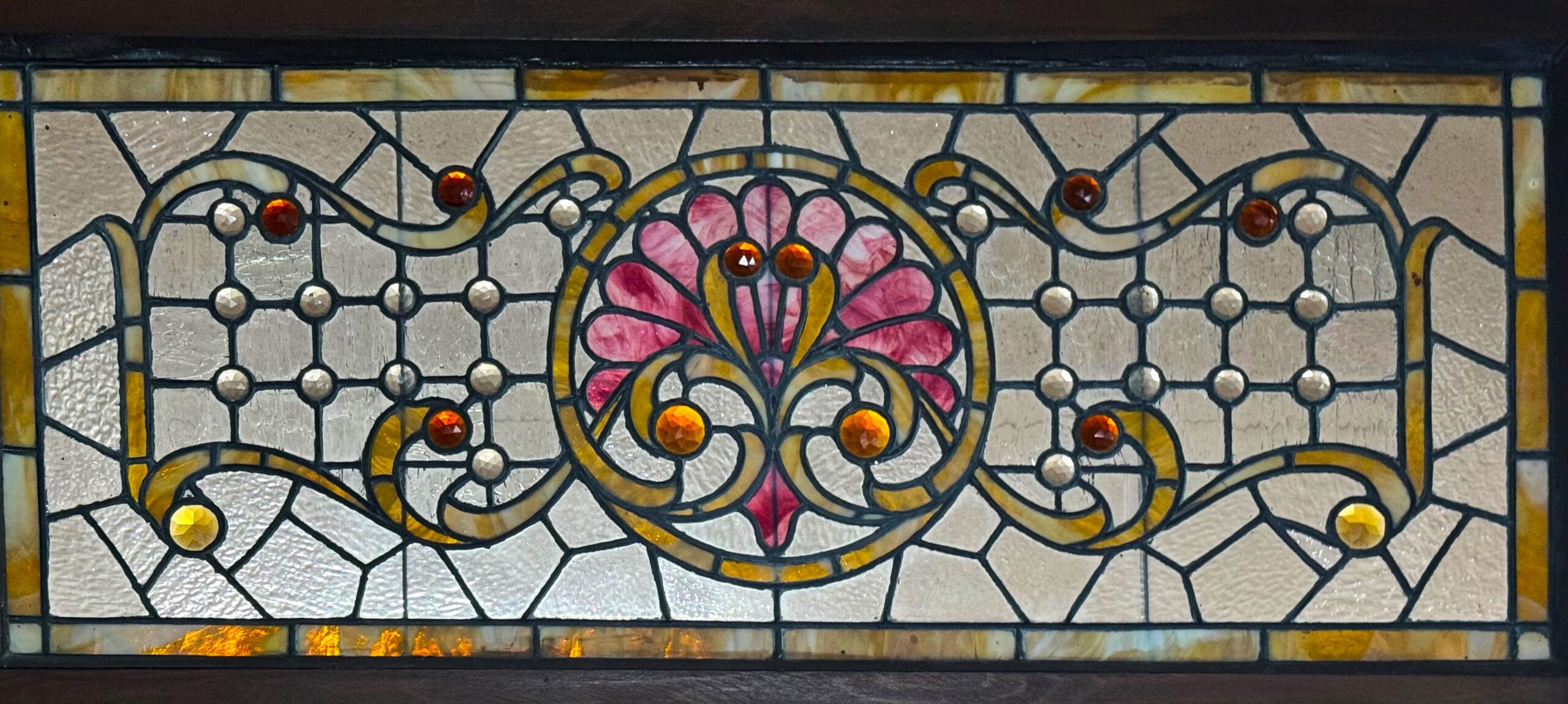

While the original stipulations safeguarded the front rooms from alterations, the back rooms underwent several changes over the years. The photo on the left is a mid-century view of the library. The photo on the right is the library today after an addition was added to the back of the house. The wall featuring the dining room transom was partially removed to create a wide doorway during the addition. The stained glass window was repositioned in this new space. At the same time, drop ceilings were installed, and the windows flanking the stained glass were transformed into modern shelves, now used to display figurines from the library’s collection.

The color photo on the right illustrates the current state of the hall. As you can see, a wall and door were added several feet ahead of the double doorways to create a fire block many years later at the curve of the stairs.
The staircase, originally constructed in the 1870s, was modified in the late 19th century. The newels and paneled base reflect the popular style of the last decade or so, while the balustrade, which was readily available in the 1870’s, might have been reused to create this landing. It’s likely that the original staircase descended straight down to where the left doorway is now. There’s also evidence that this doorway was altered; an original reception room photo facing the front windows shows a square-topped doorway before the room was modified. After the room was redecorated, the doorway became arched. This might also be when the staircase was reconfigured, the fretwork was installed, and some of the stained glass was added.
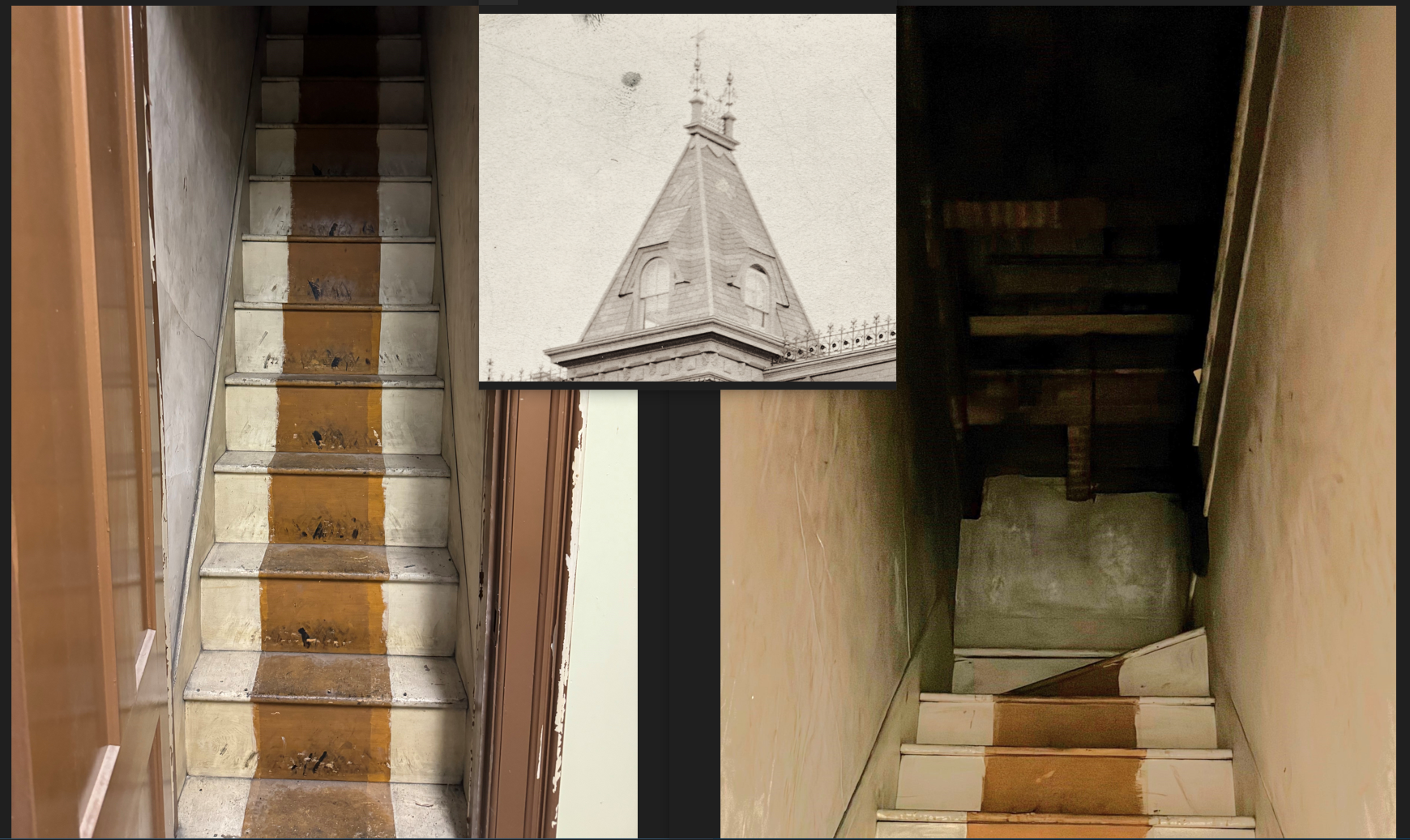
Behind a door on the third floor, you’ll find these narrow steps. Unfortunately, they lead up to a ceiling and end abruptly. These steps once led to a tower that has since been removed sometime after it was converted over to a library.
Again, special thanks to Julia Yardley, Library Director, for the guided tour and for providing access to some of the collections!
Don’t forget to check out other chapters on this house if you missed them in the box below!
This completes the journey of this house and I hope you enjoyed it as much as I did putting it all together.