From House to Library: 2. Reception Room/Parlor
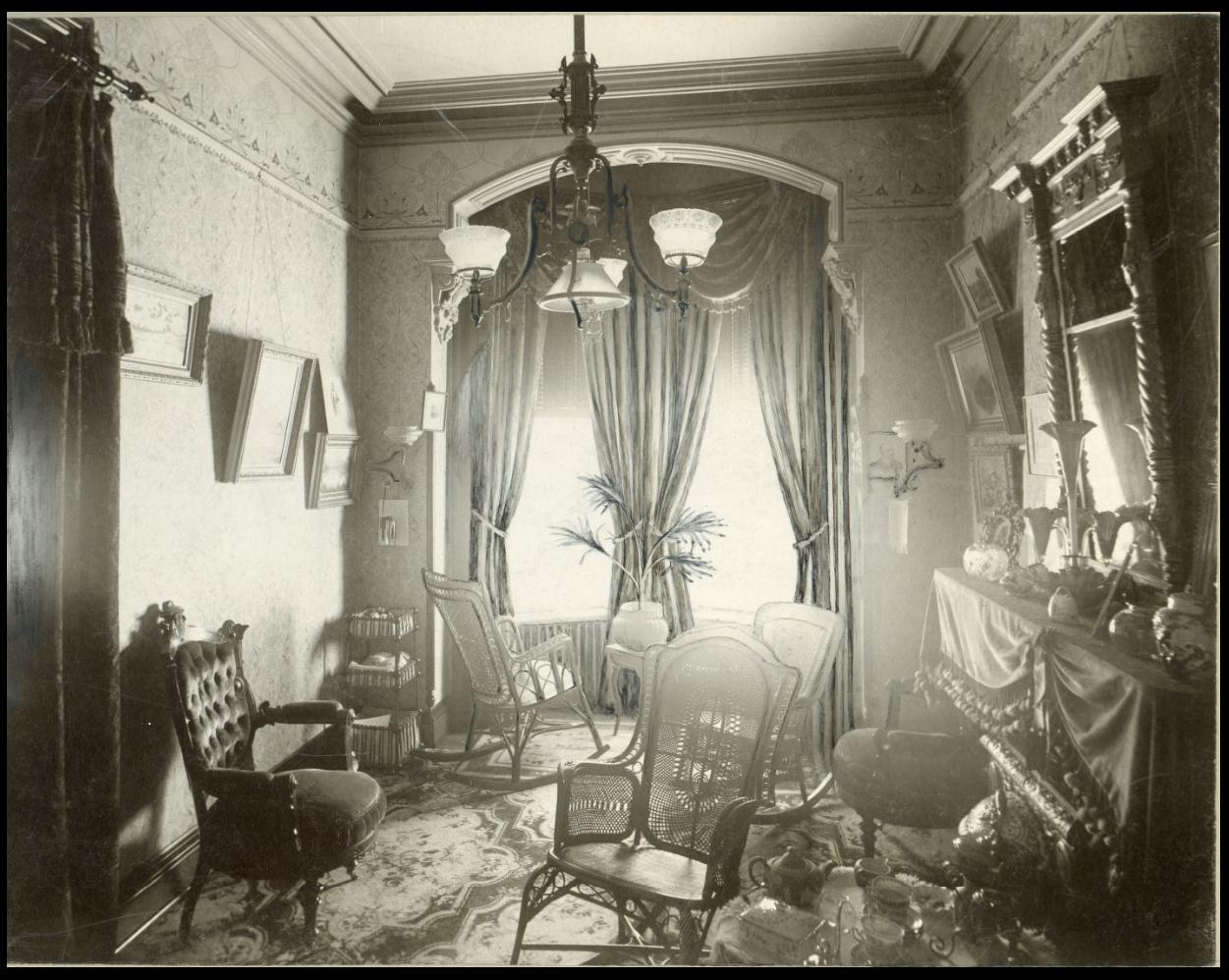
Posted on 7/12/24This room, smaller than the drawing room across the hall (which we will explore in the next chapter), served as either a reception room or a parlor. Reception rooms were typically used to receive guests. Some books, like "Household Hints" by Emma Whitcomb Babcock, published in 1881, criticized large, seldom-used formal parlors for occupying space that could be used for living areas. Babcock recommended smaller reception rooms and suggested that most of the family budget be allocated to these rooms, leaving little for rooms used daily.
By the late 19th century, the distinctions between different types of formal rooms were becoming blurred. Some contemporary books even criticized formal rooms that were closed off from the family, advocating for their replacement with more usable spaces. Therefore, it is not always safe to assume that this room was used solely for formal occasions.
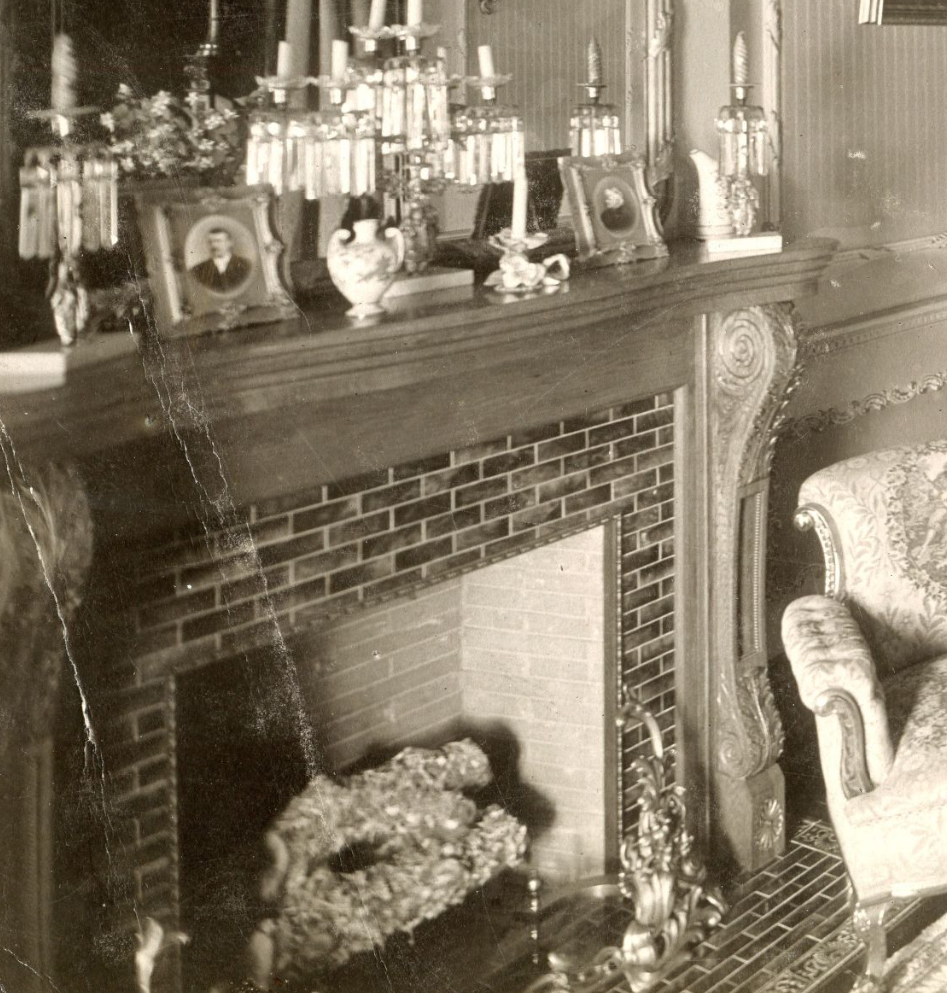
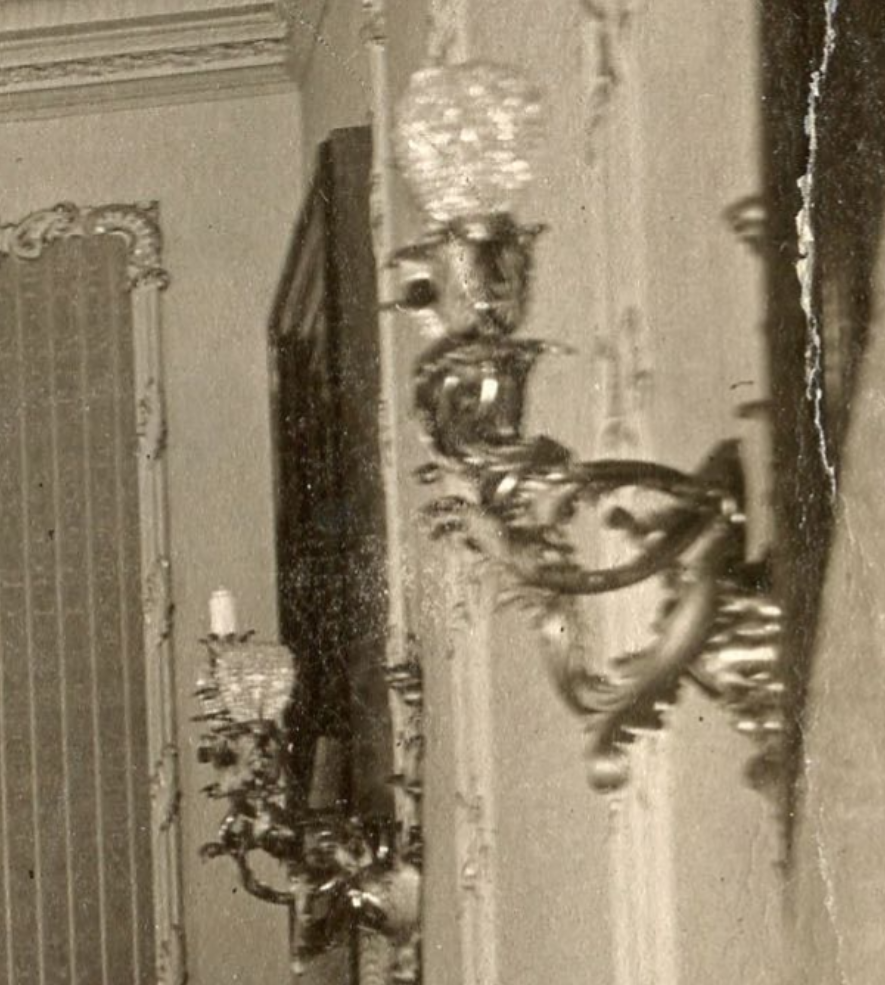
The room we see today underwent significant changes in the 1890s. It is possible that the owners transformed it from a strictly formal parlor or reception room into a more versatile space for sitting and enjoying music.
Thanks to Julia Yardley, Library Director for her additional assistance and information. All photos are from the Little Falls Public Library Collection.
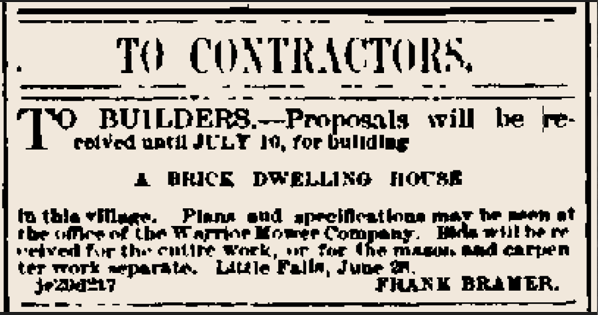

The book can be found here.

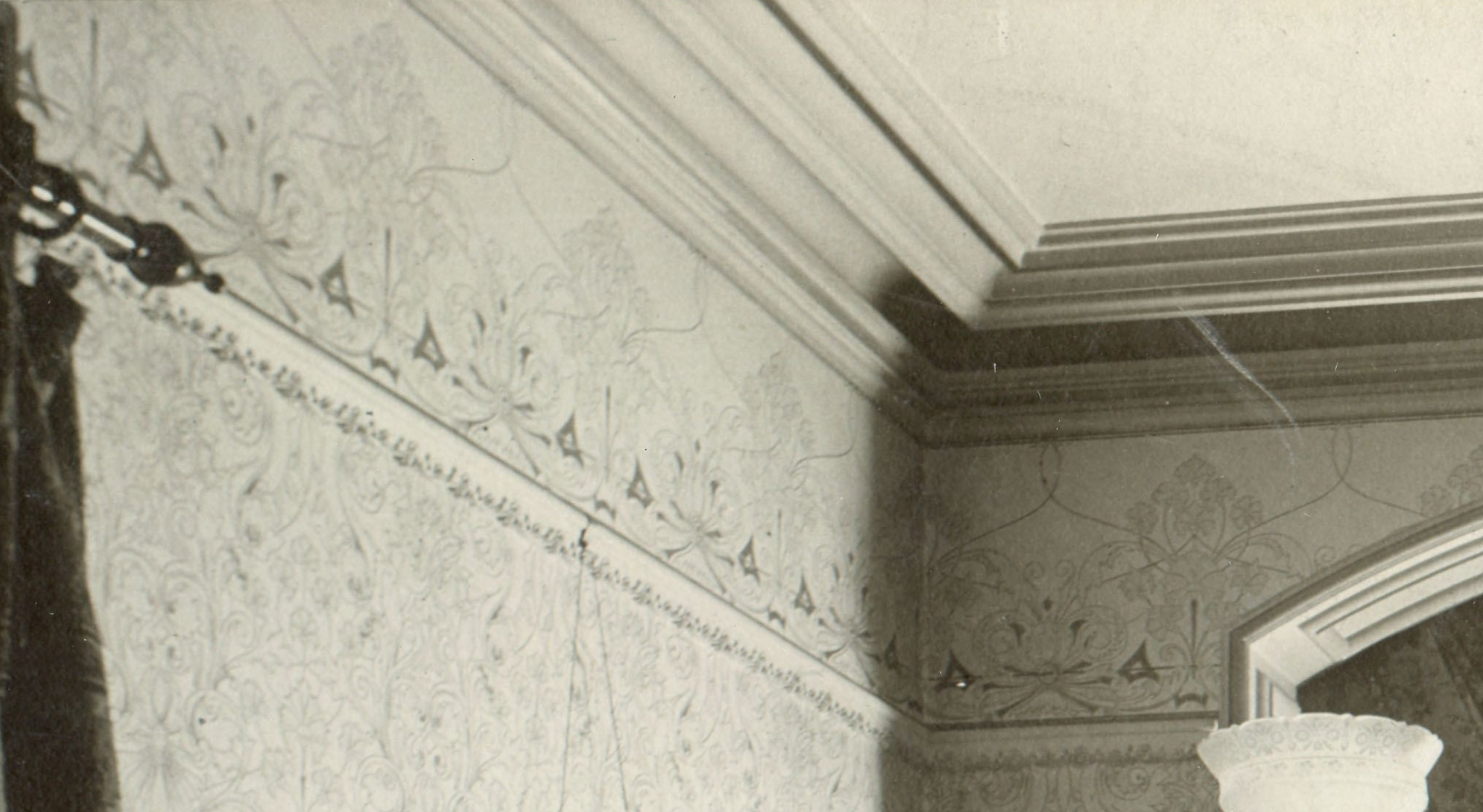
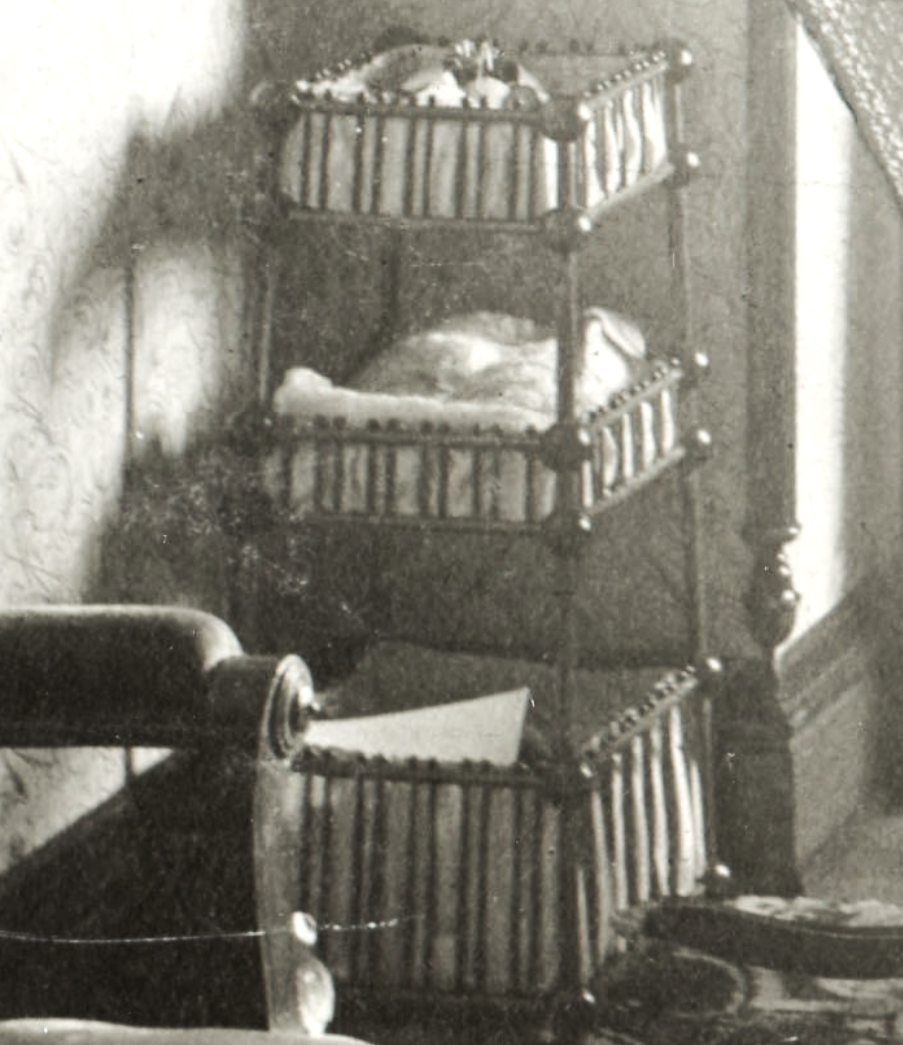
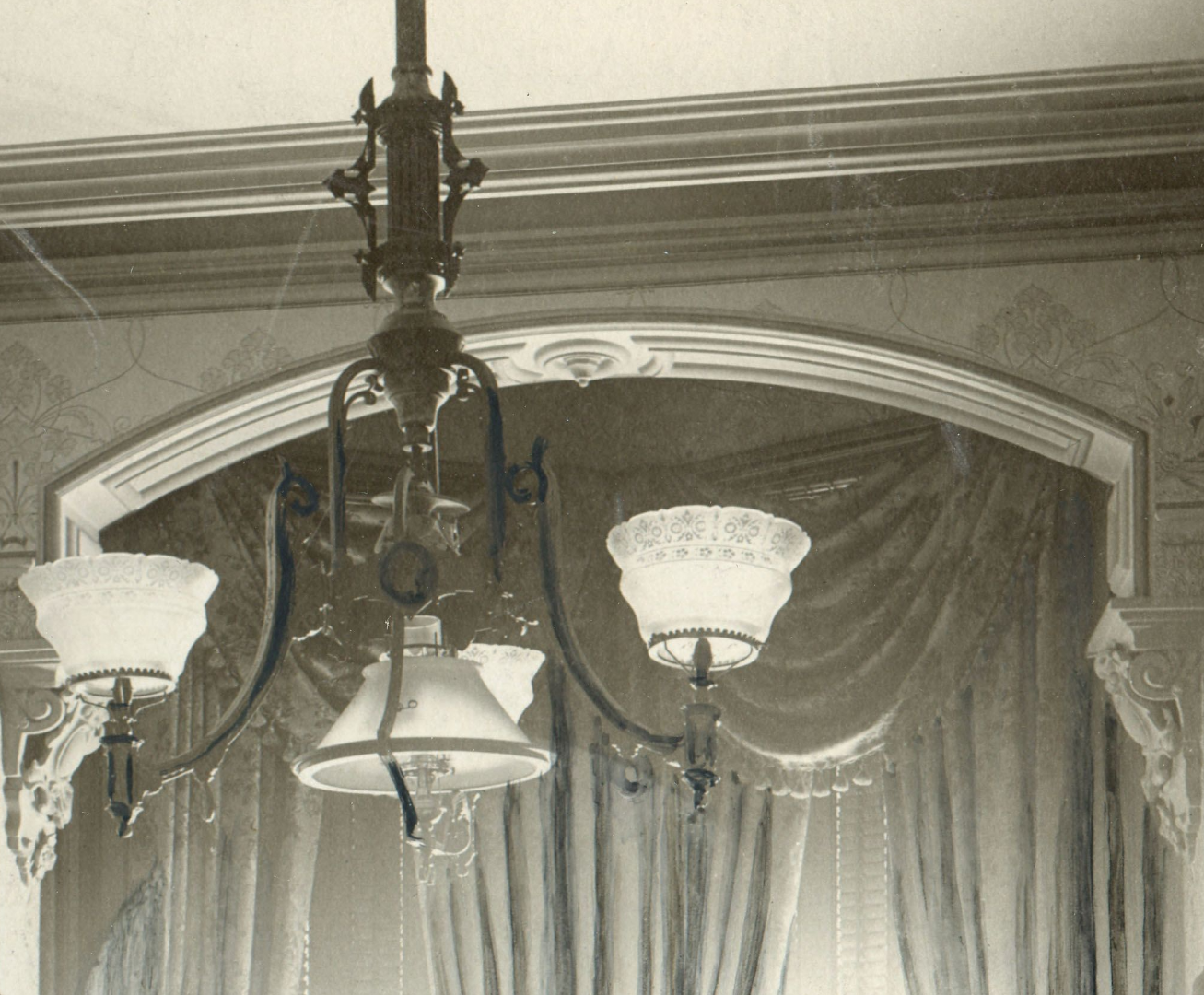
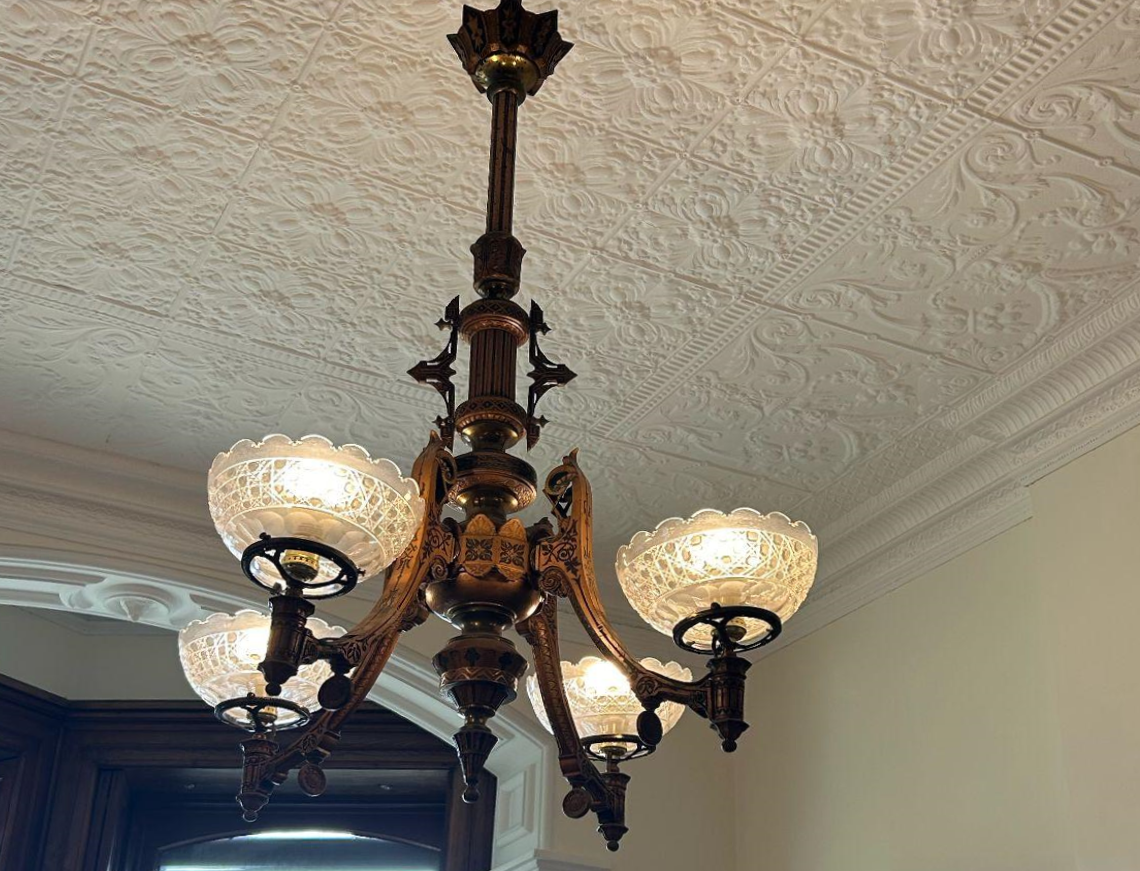
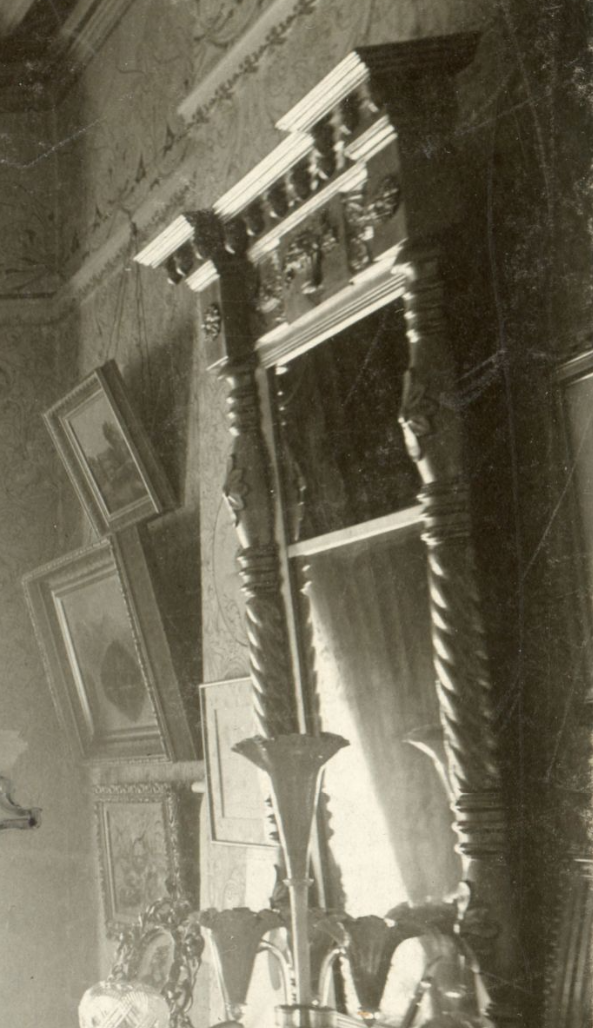
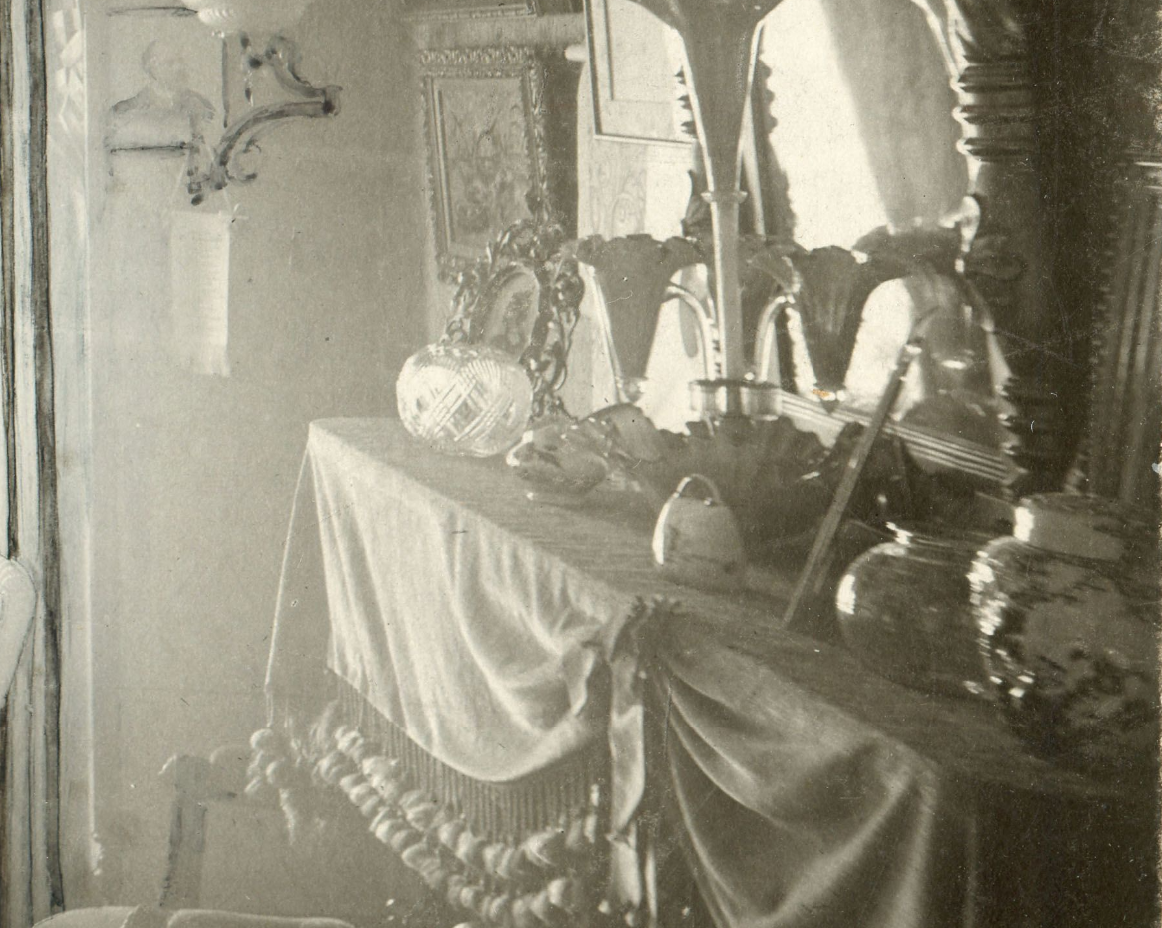
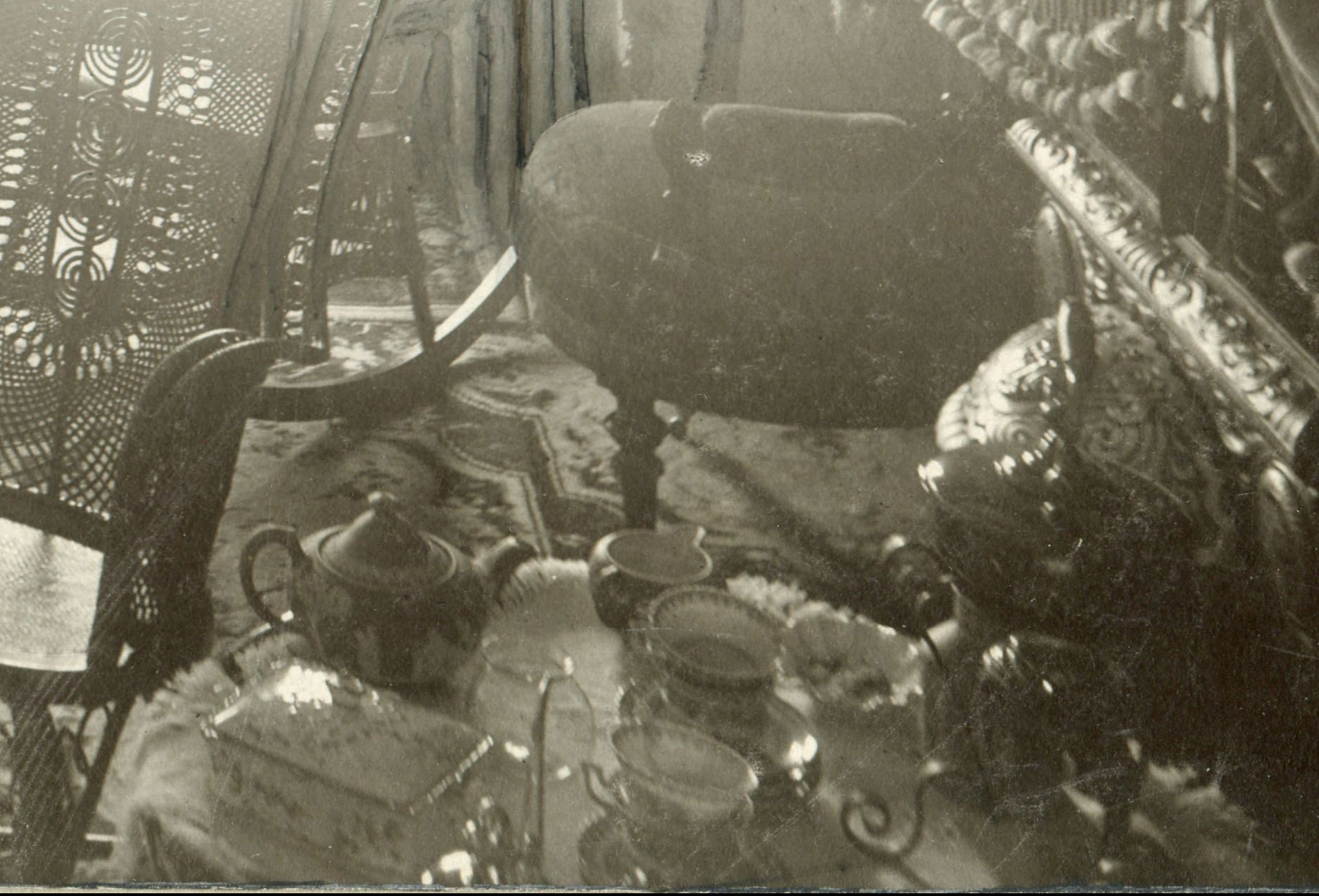

The walls no longer have a frieze border and wallpaper fill and instead feature a new design.
During this period, the plaster ceiling was replaced or covered with a metal one, possibly due to cracks forming, or the owners might have preferred the aesthetic of ornate metal ceilings. In the 19th and early 20th centuries, stamped metal ceilings and walls were popular alternatives for many reasons. While we often refer to them as “tin ceilings” today, they were commonly called “metal” or “iron” ceilings at the time. These ceilings could be purchased pre-painted or enameled in various finishes, with some being polychromed, marbleized, or primed. Here is a catalog example here.
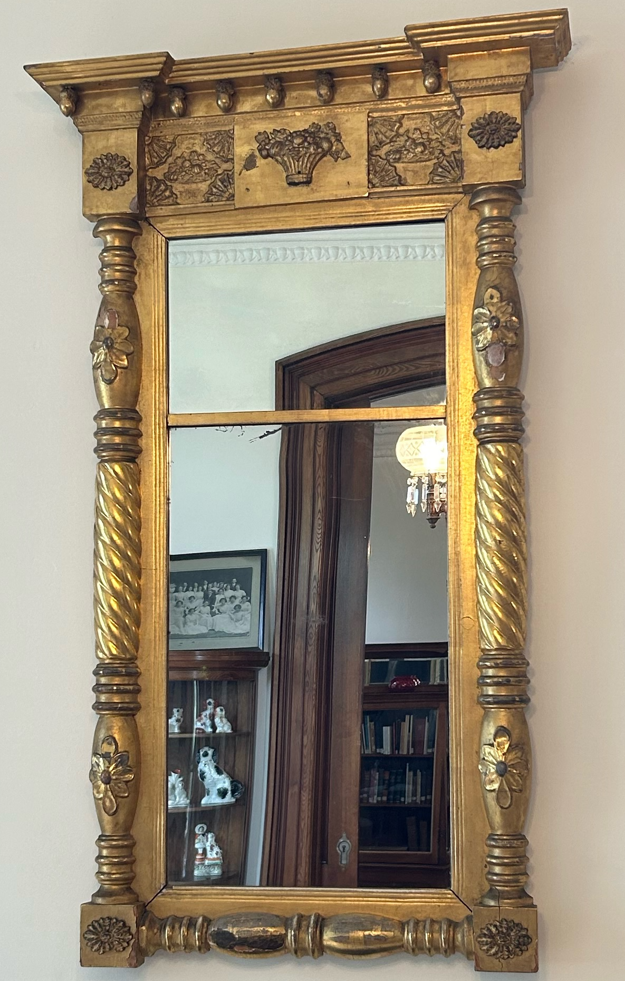
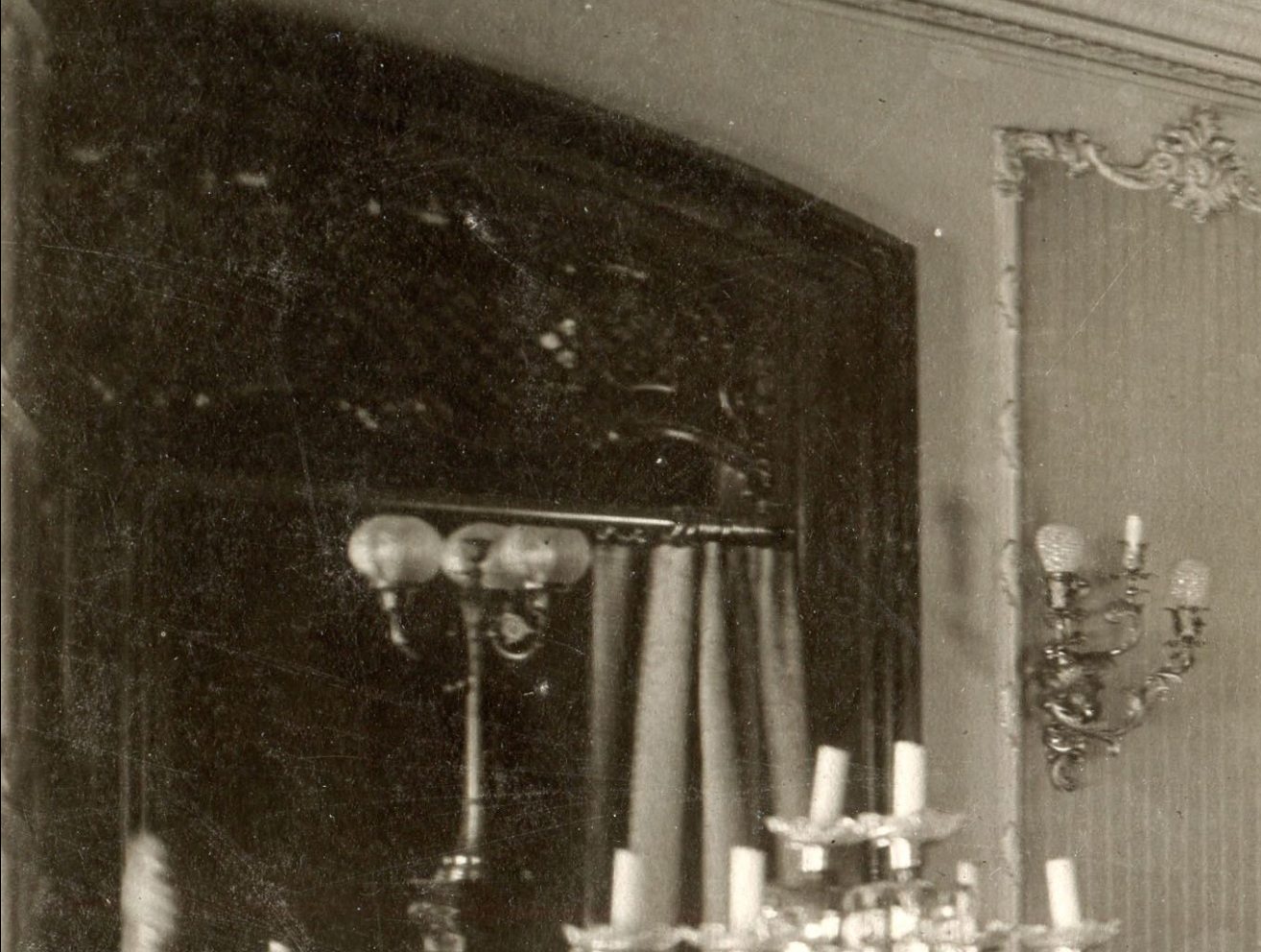
In the reflection of the mirror, you can see the hallway newel and the newel light. Although there are no known photos of the hallway, we will see the staircase through the drawing room in our next visit.
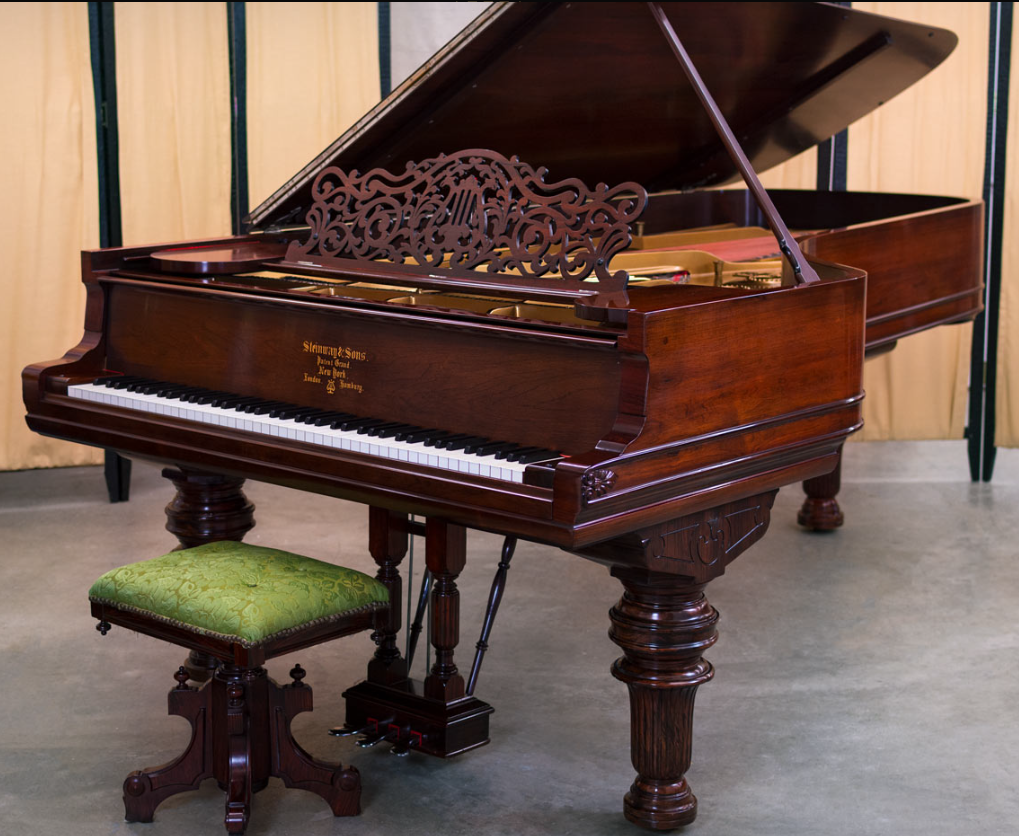
While it’s unclear if anyone can identify the piano from behind, there may be some antique piano enthusiasts on this site who can provide more information.

Previous Chapters of this home:
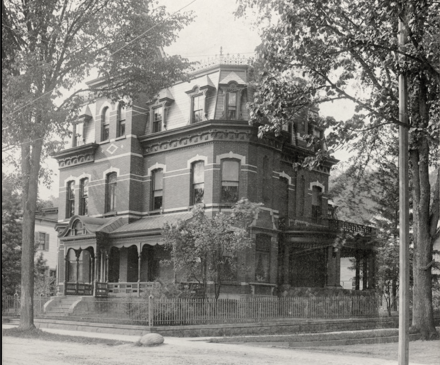
From House to Library: 1. The House
Next Chapters of this home:
From House to Library: 3. Drawing Room
From House to Library: 4. Bedroom
From House to Library: 5. Dining Room
44 Comments