Moorhouse Photo Collection: Part 3
2/12/25
12 Comments
See the map below and click the image to be taken directly to the Library of Congress site for the full view of the Pendleton Bird's Eye View map.
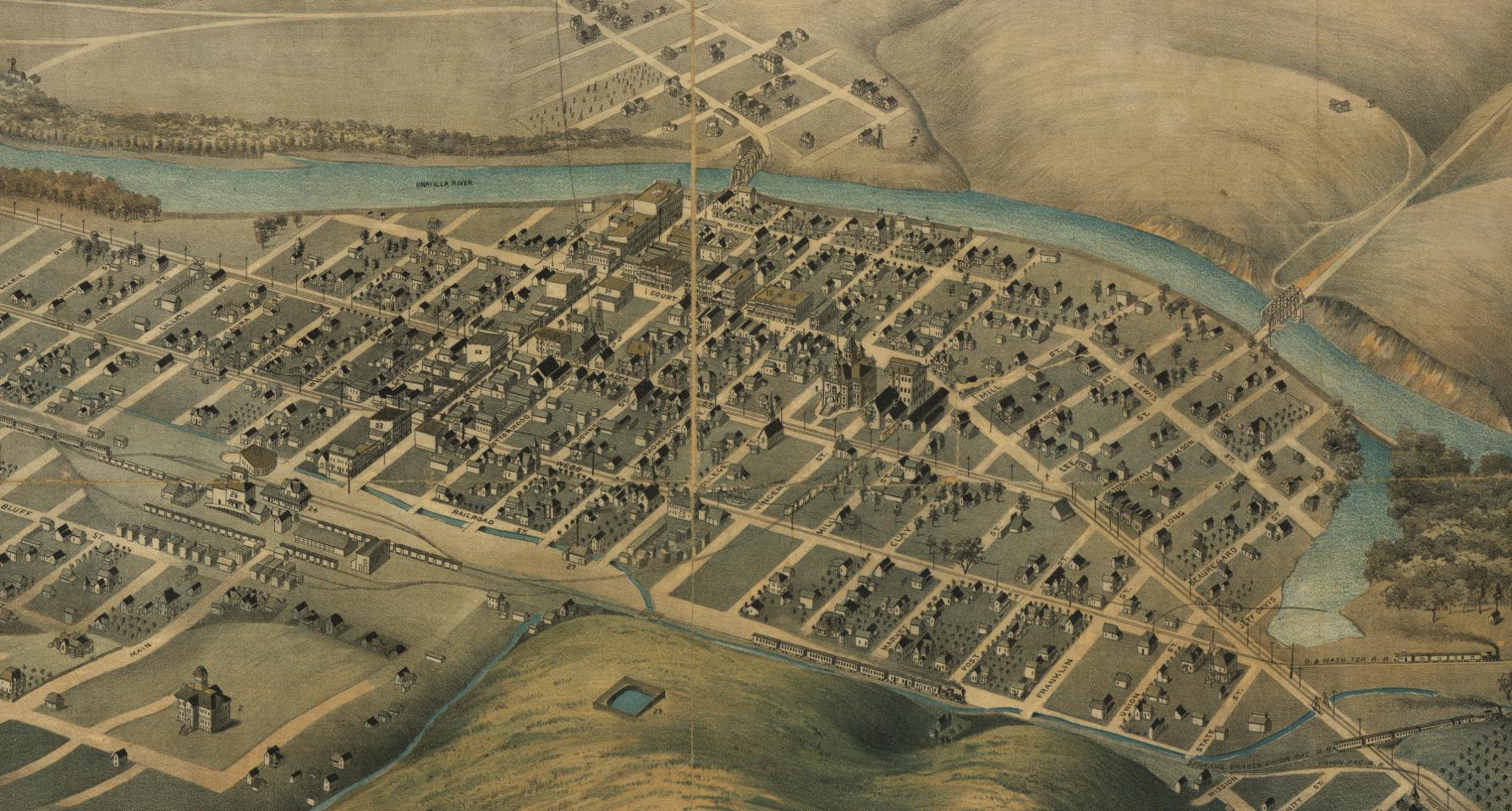
Bird's Eye View of Pendleton, Umatilla County, Ore. 1890
While no interior photos have surfaced so far, posts like this aim to revive these images through discussion, research, and local knowledge. If you share any insights in the comments, I’ll update the post with credit to you, helping to build a more detailed study and bring these photos back to life.
Don't forget, clicking the images on the page will get you even closer to the past.
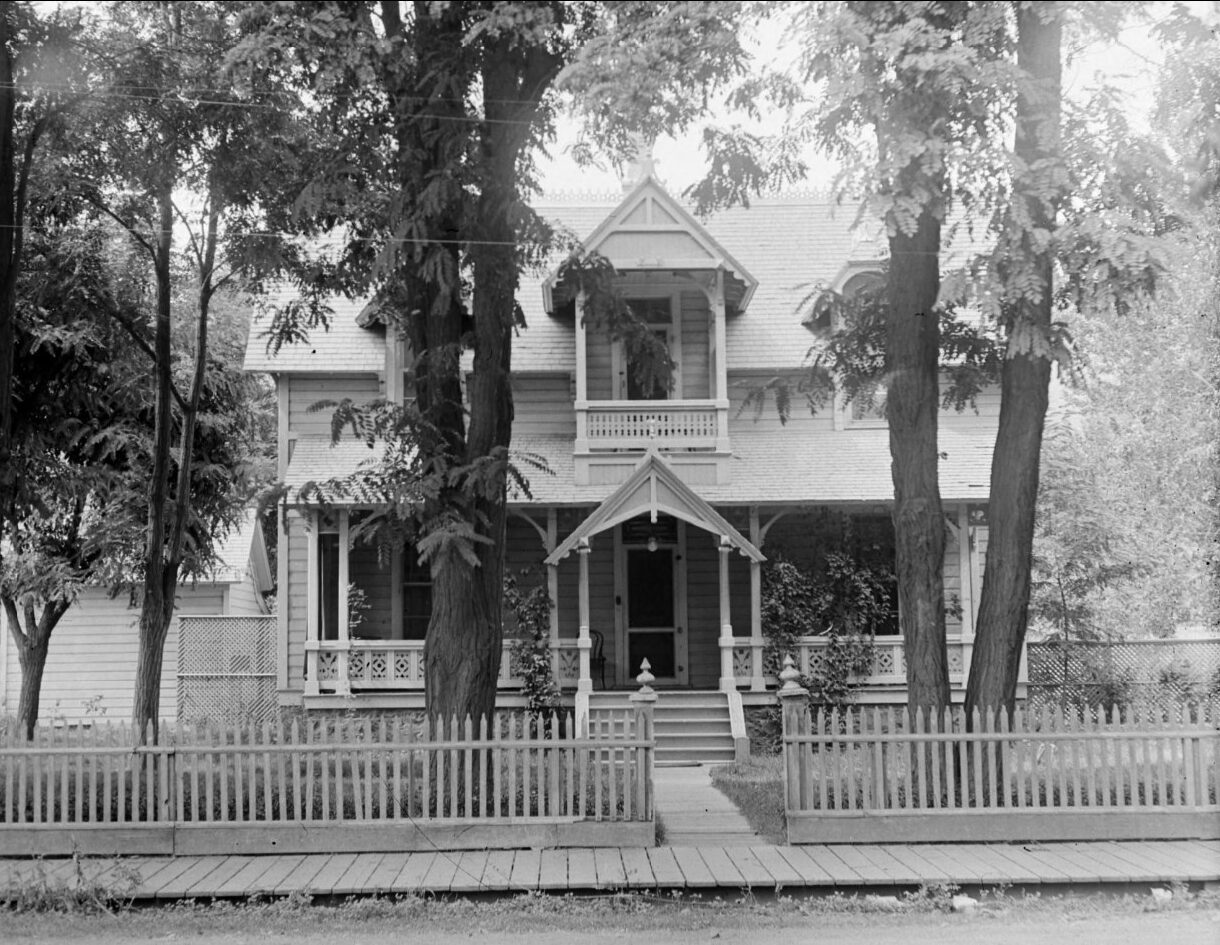
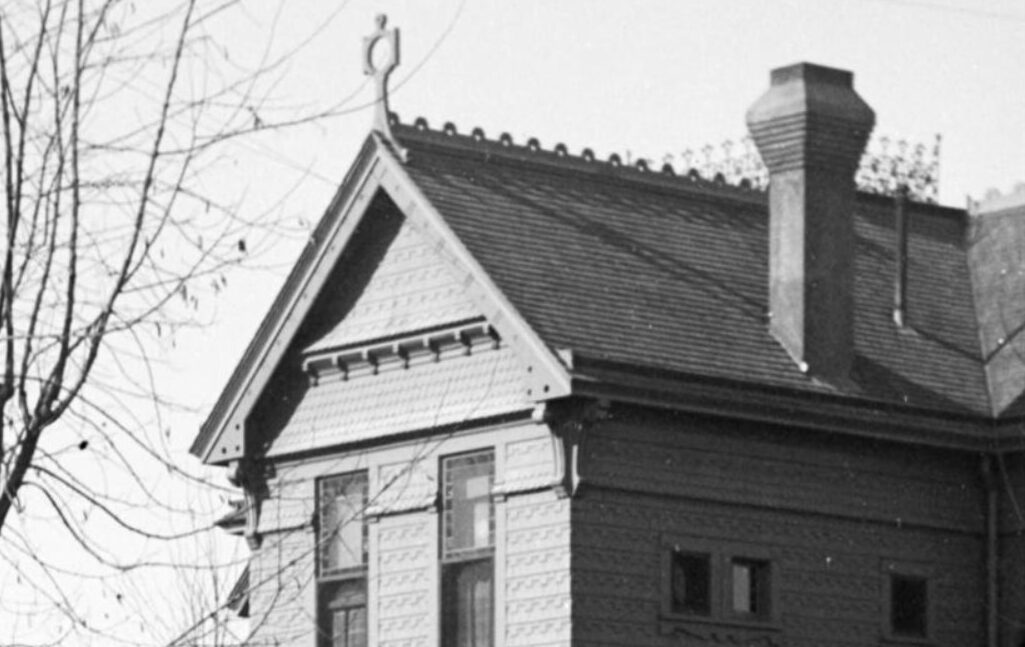
This is a plan book home by Palliser’s American Cottage Homes by Palliser, Palliser & Co. 1878.
Thanks to JimH for identifying the residents.
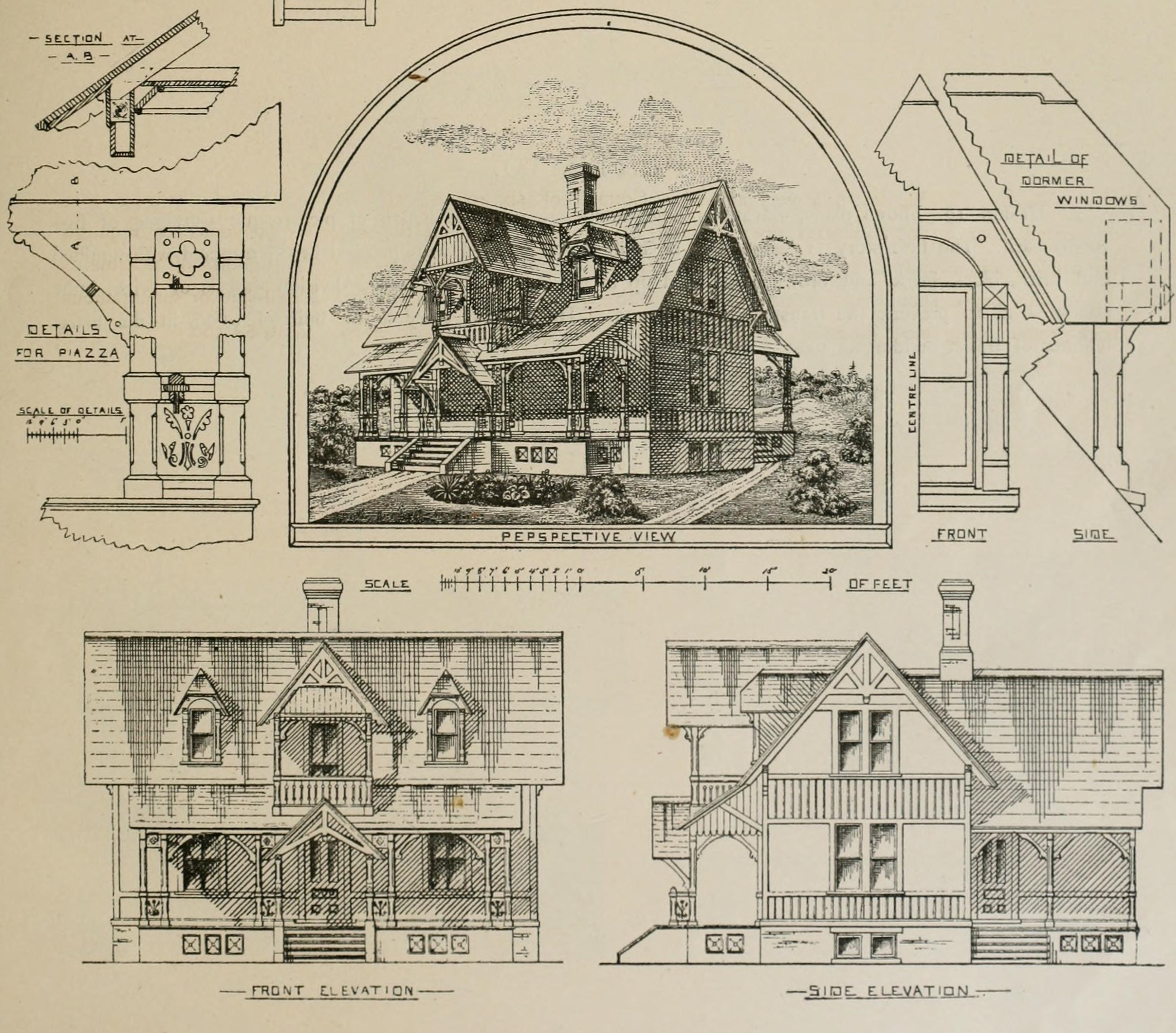
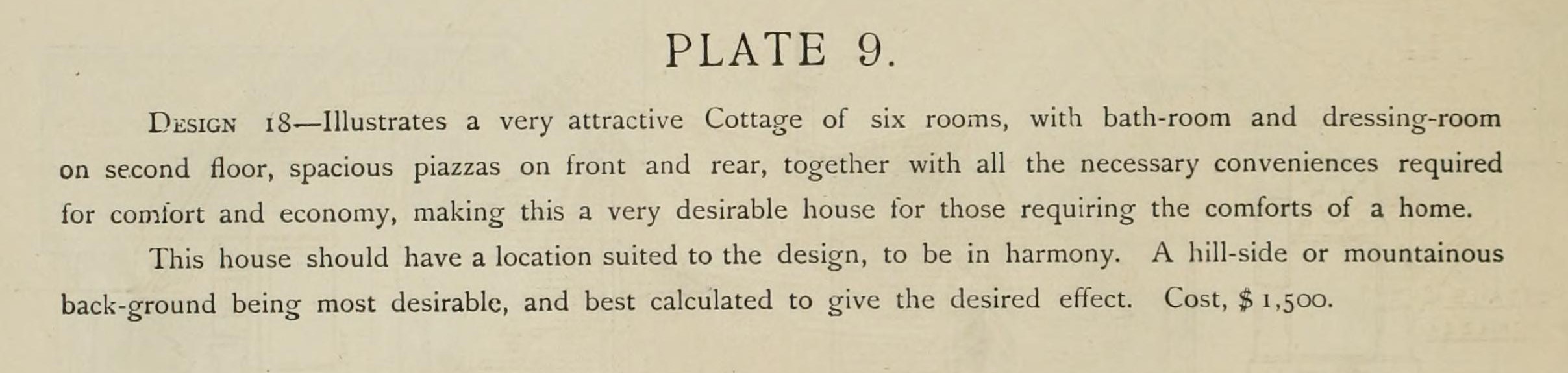
A full view of the page with floor plans can be found here.
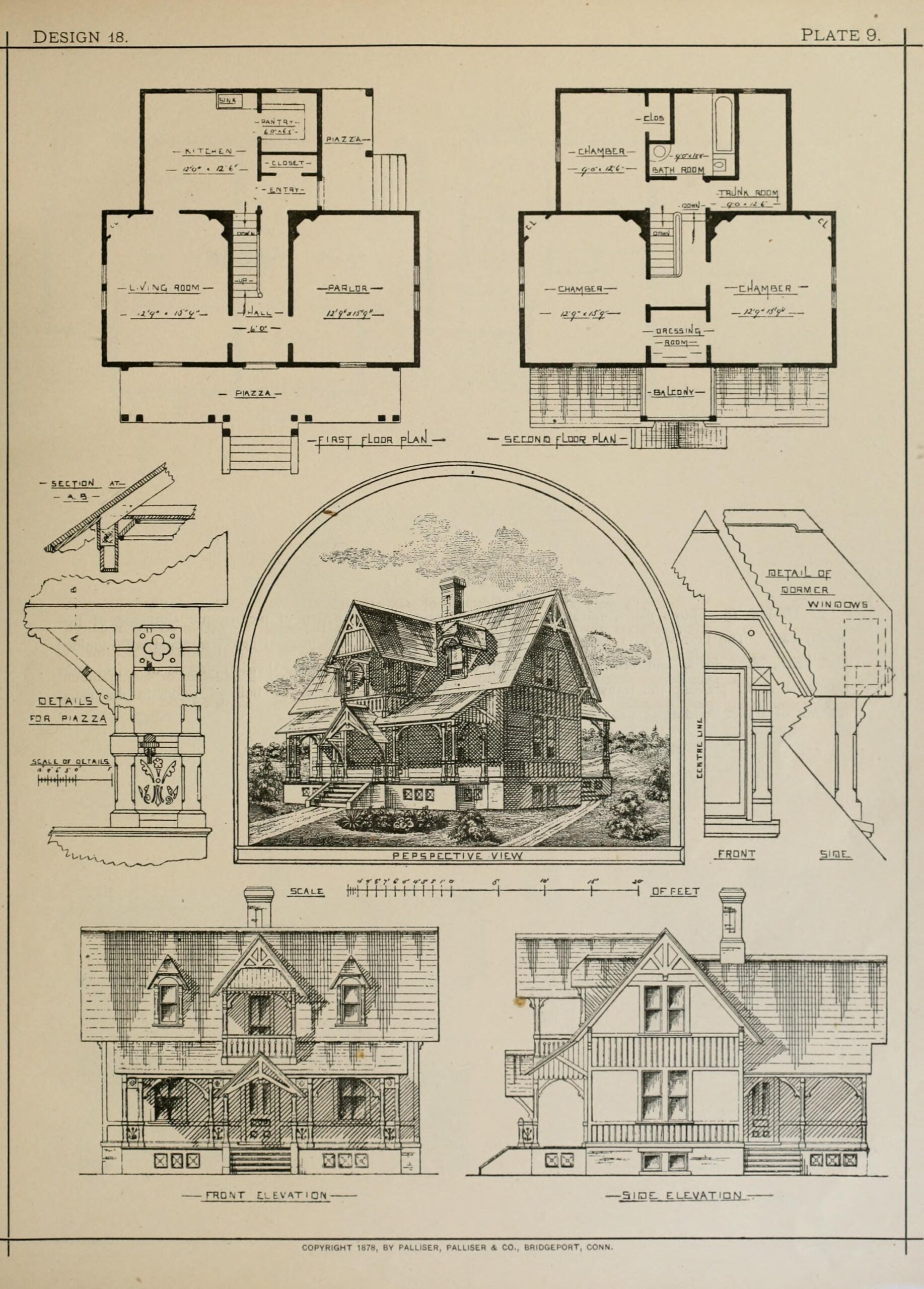
Thanks to Kelly for snooping around my drafts folder and identifying this as a Palliser’s for me.
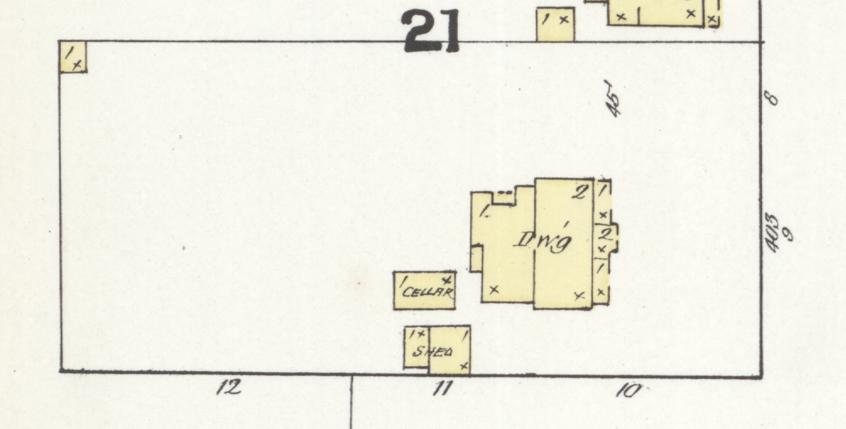
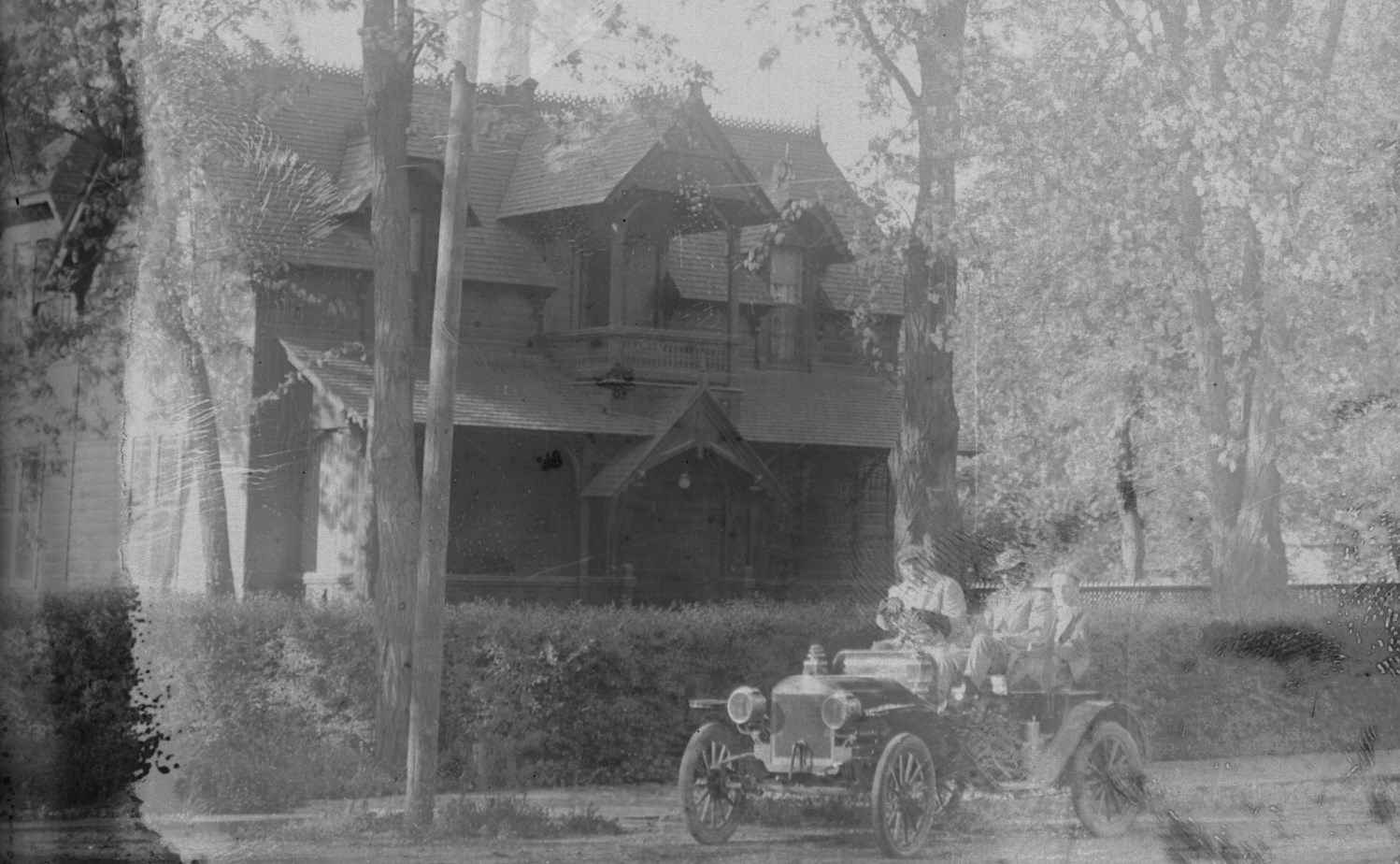
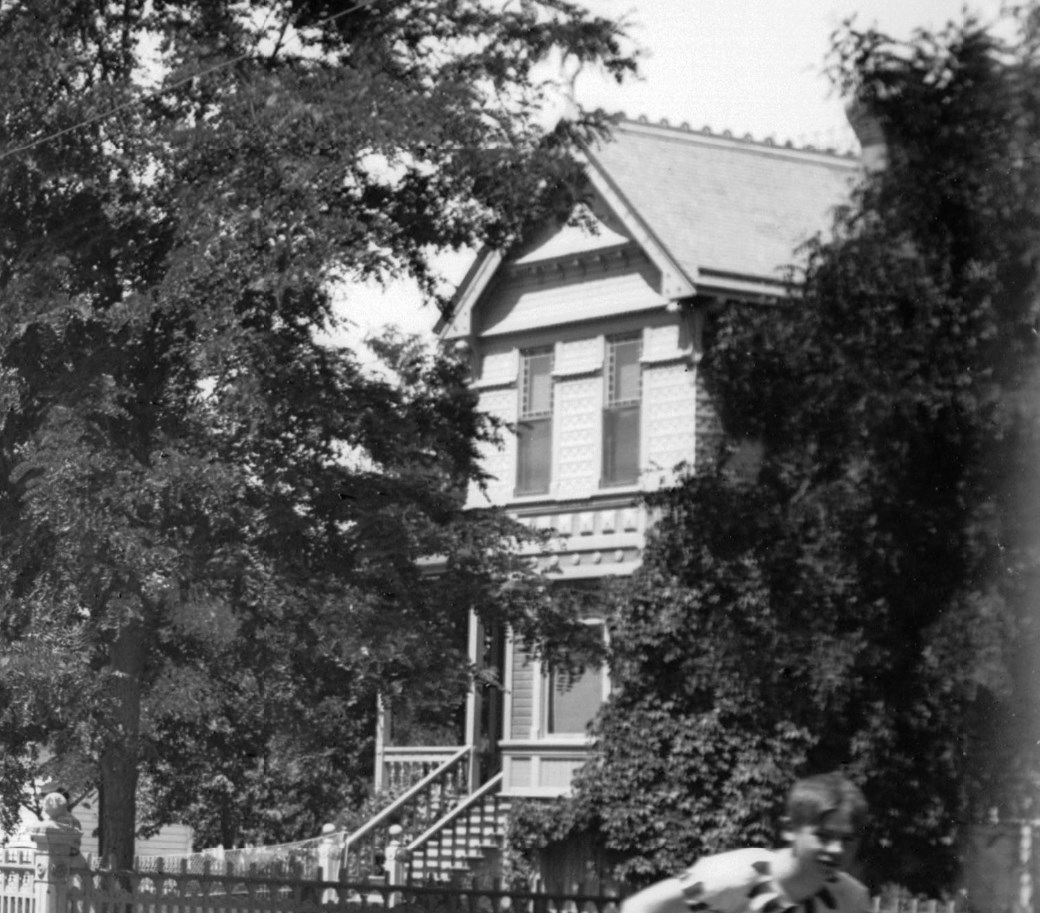
Here we see the house with several outbuildings.
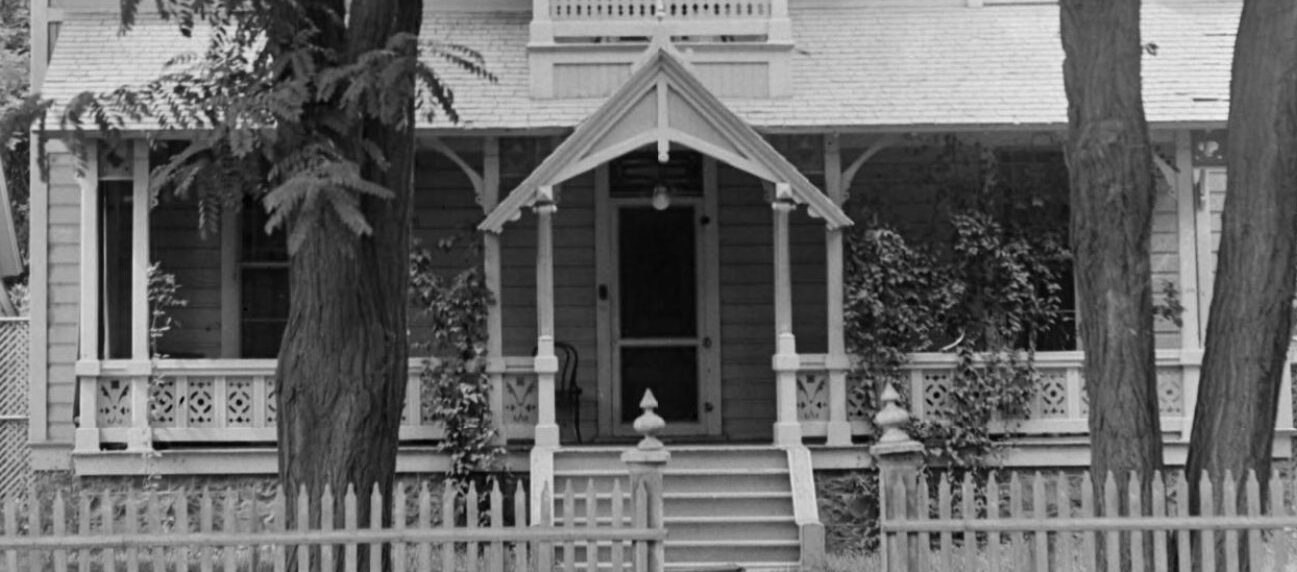
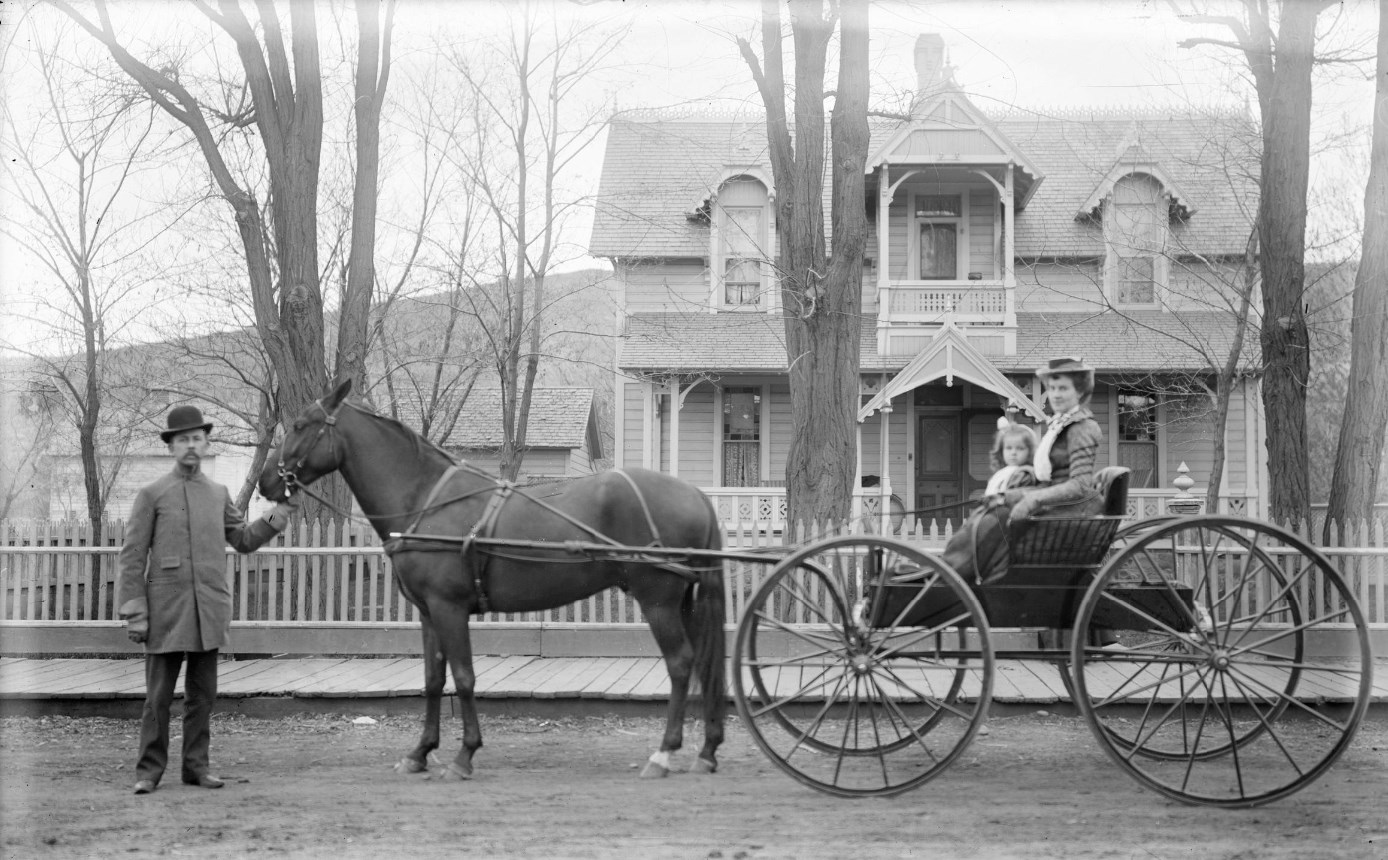
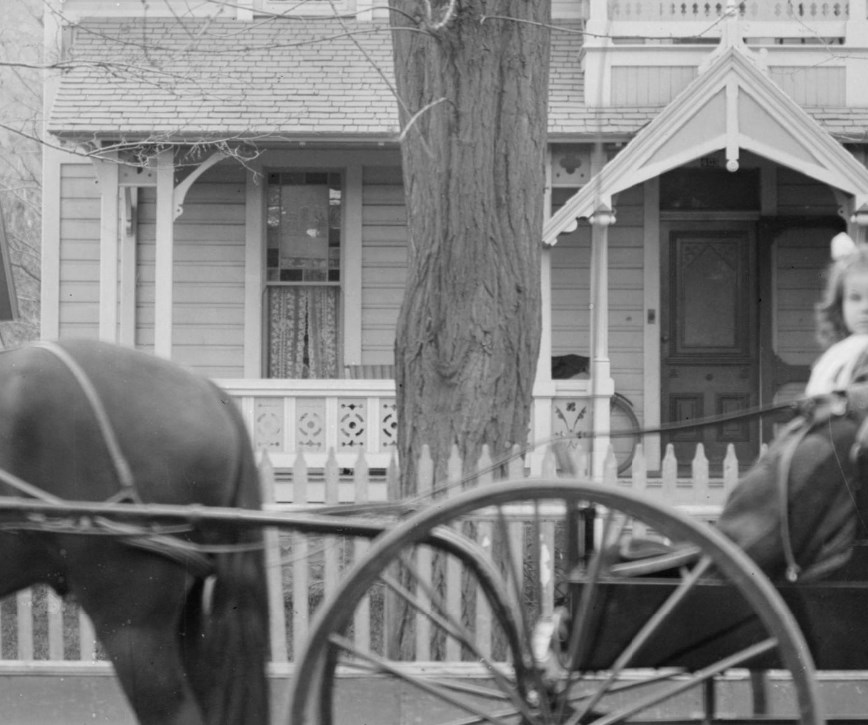
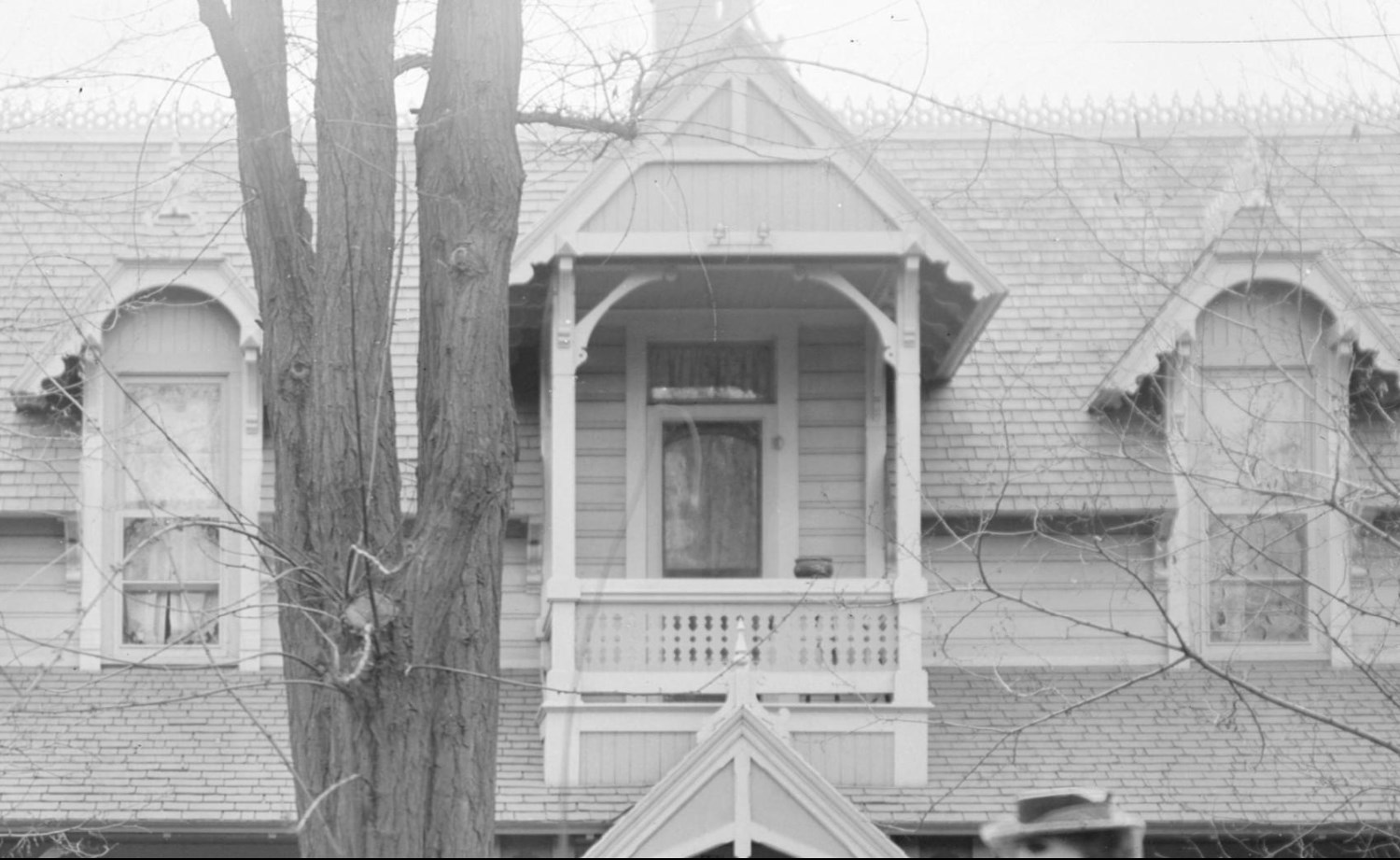

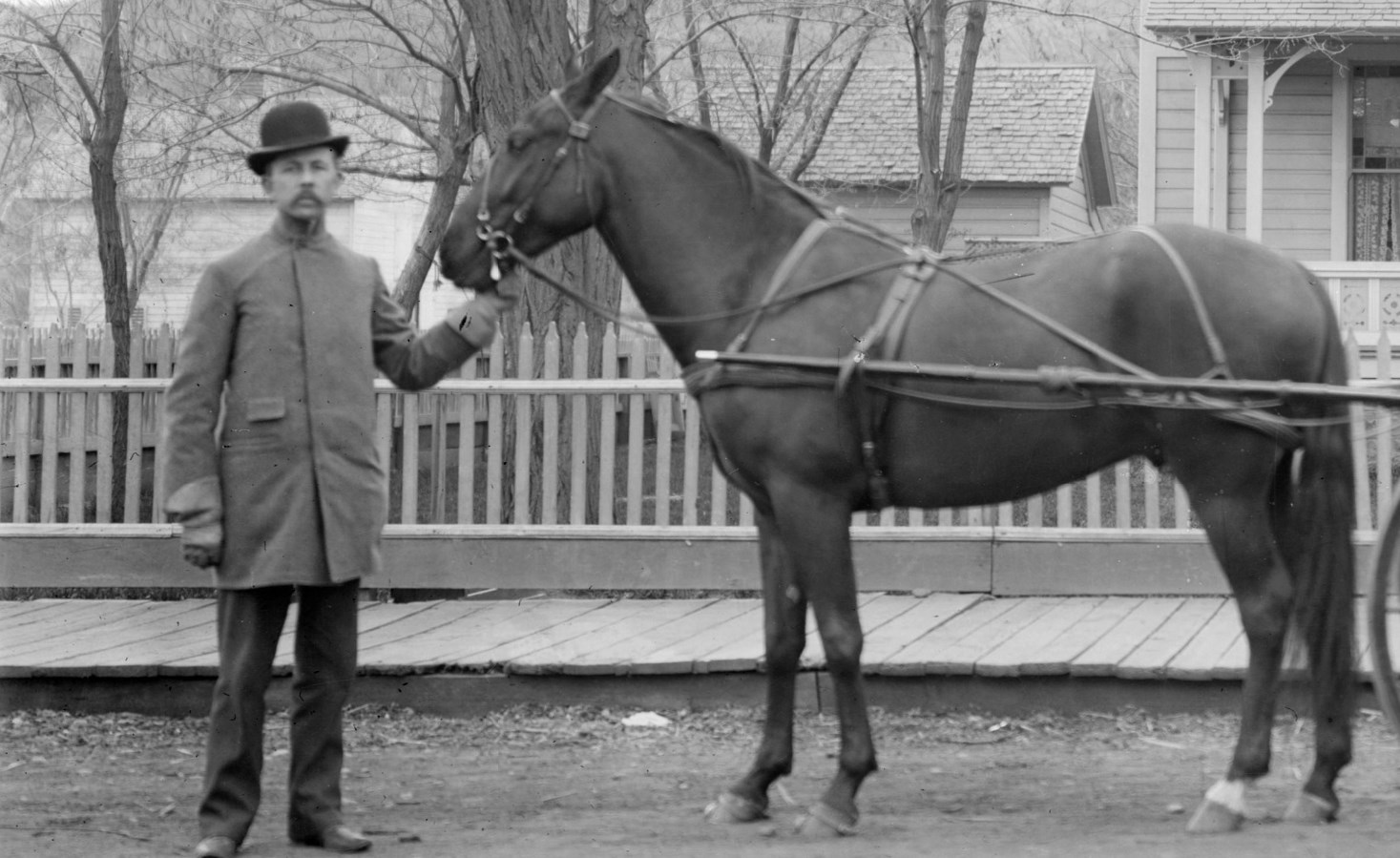
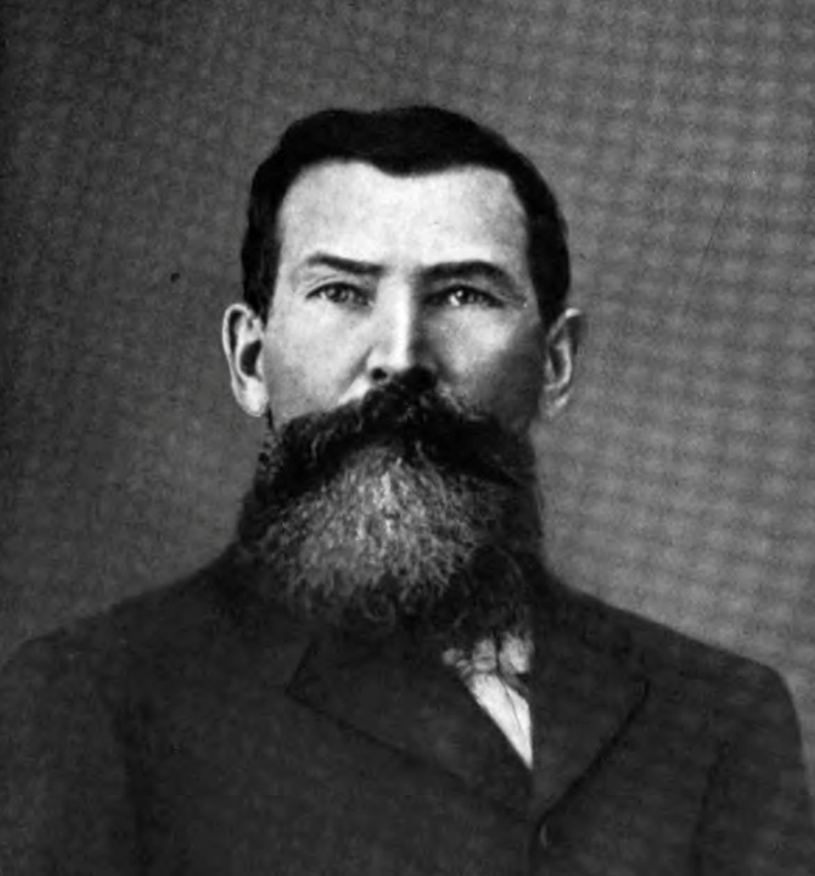
Vincent Park is named after Fredrick W. Vincent. He was not only a doctor but was founder of Pendleton’s water system, started the first electric light plant called Pacific Light and Power Co. and was also elected Mayer, twice, of Pendleton. Fredrick died at the age 98.
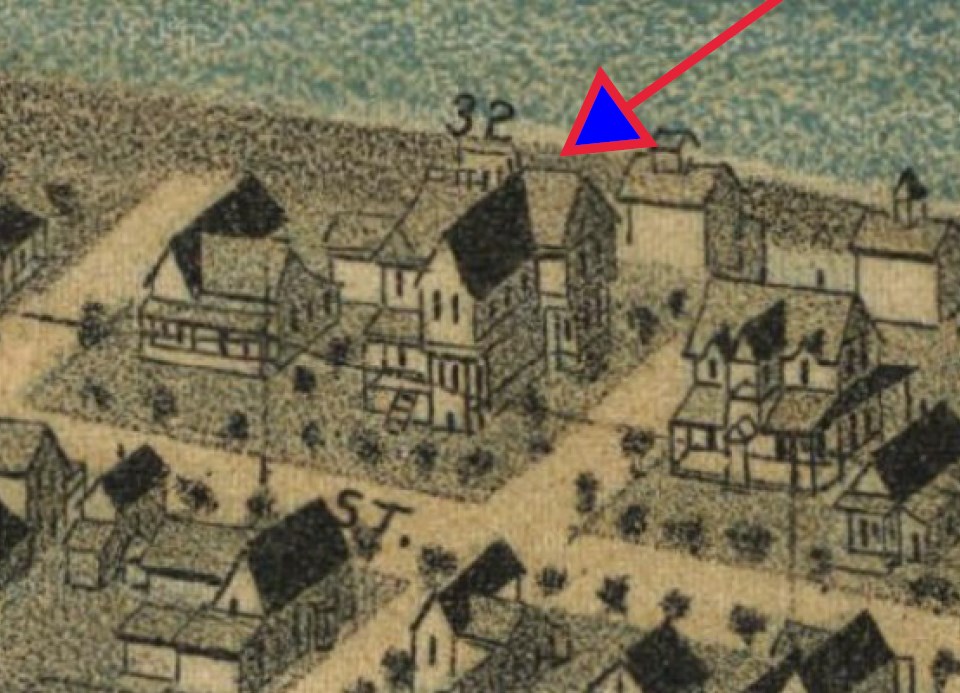


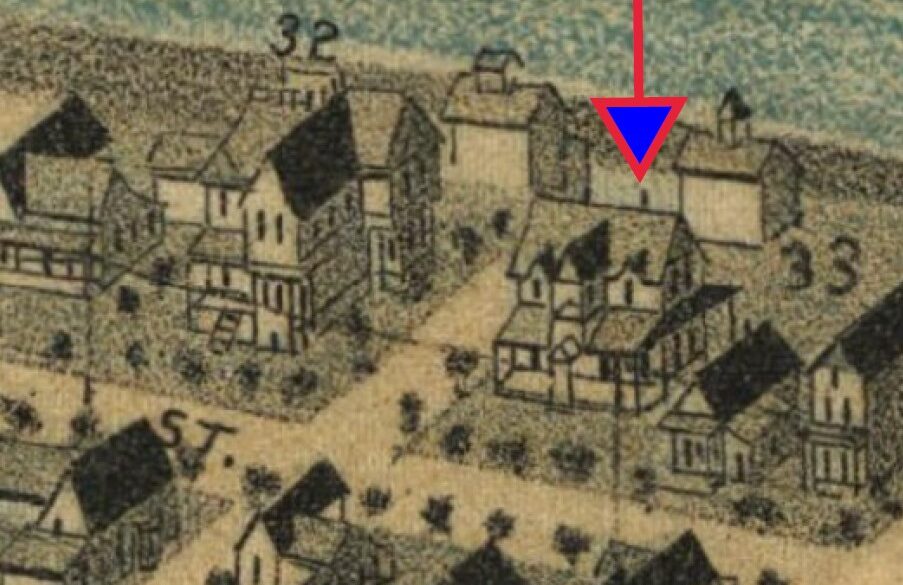
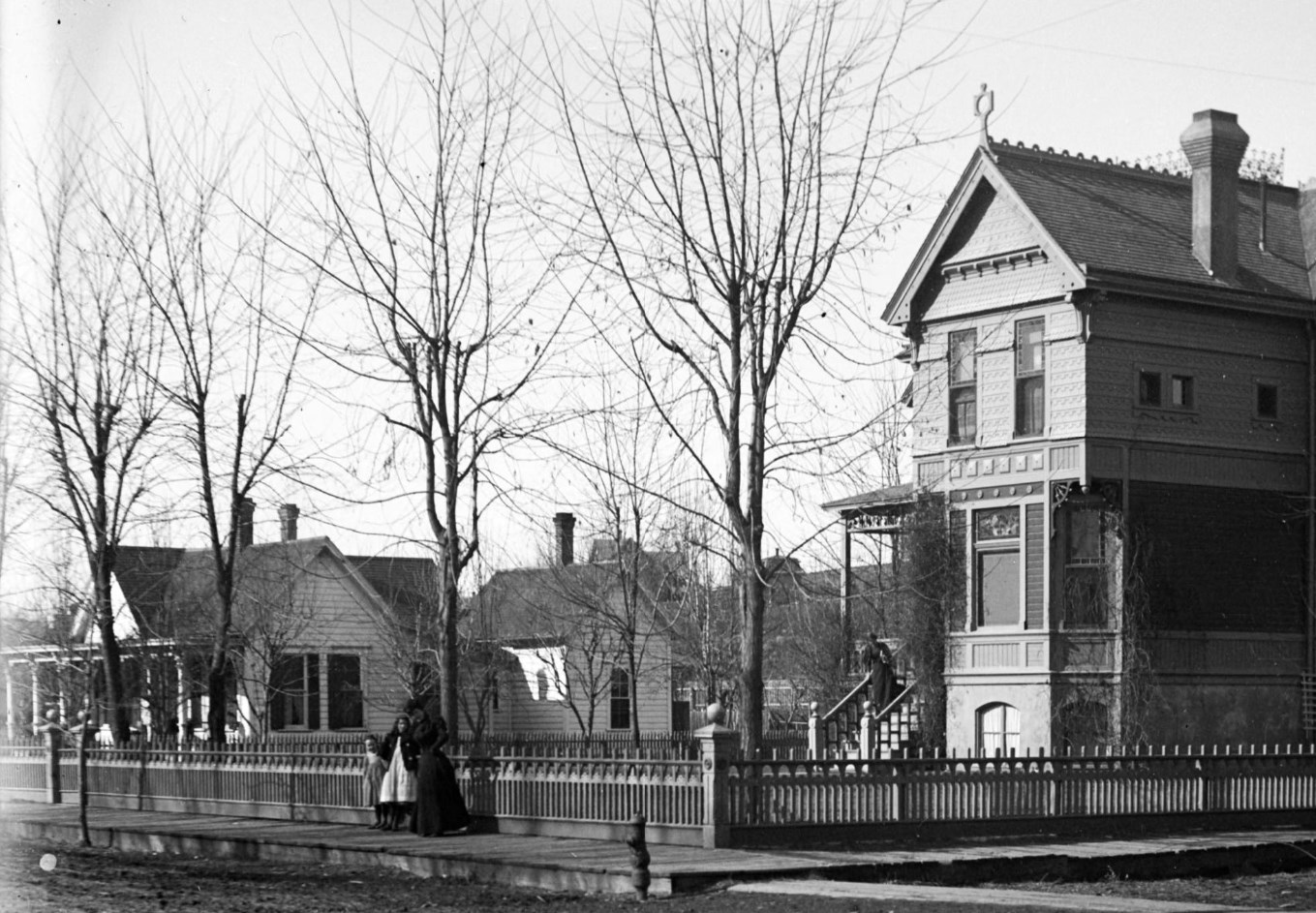
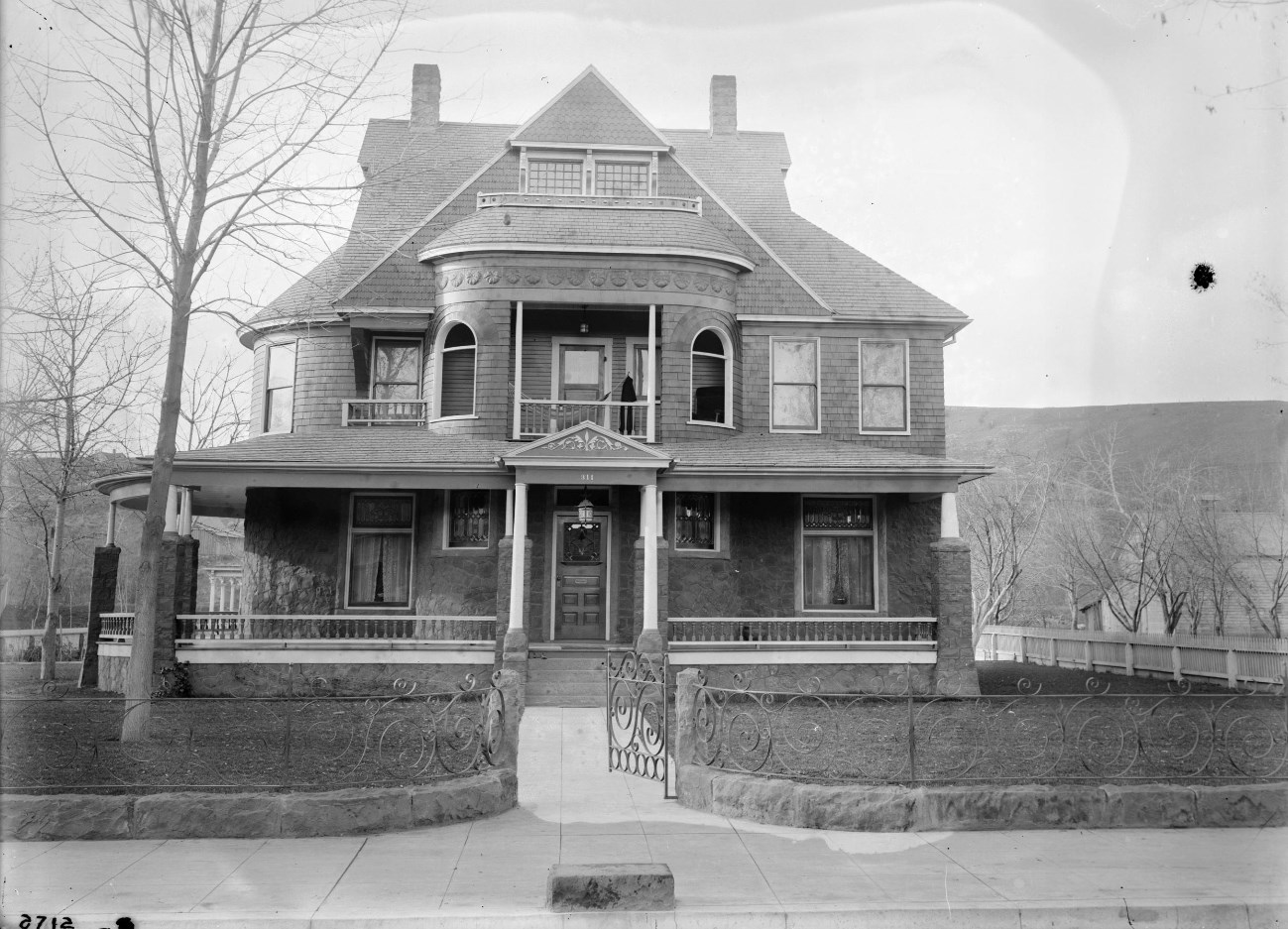
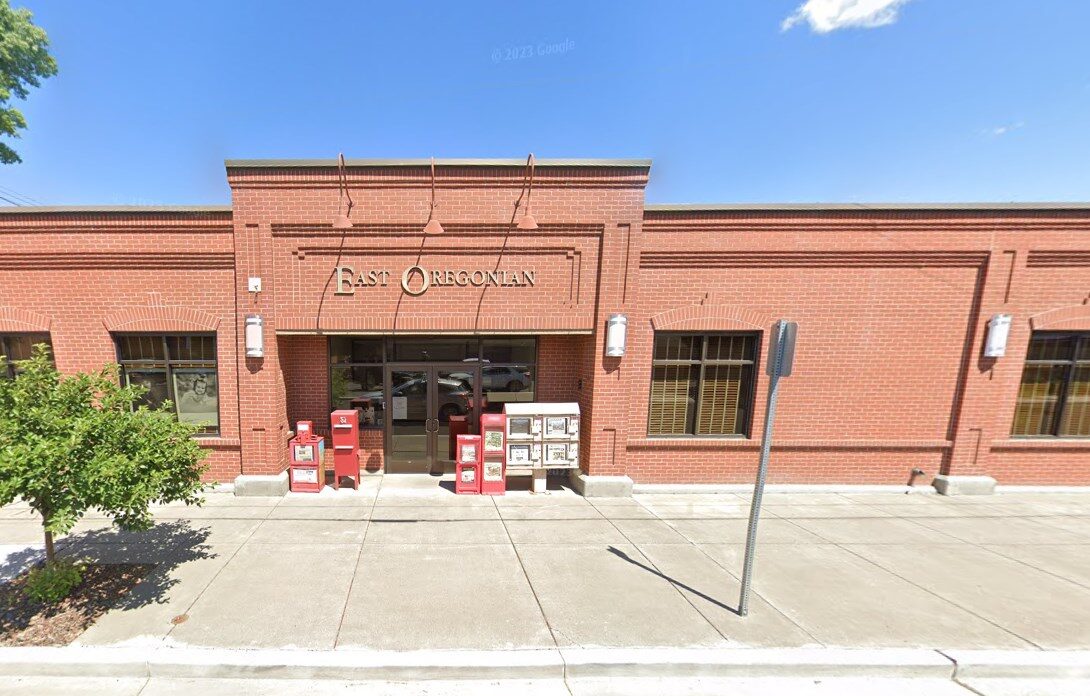
This map shows the home at the corner of Thompson and Water. The house is absent from the 1888 Sanborn map but appears in the 1890 edition, suggesting it was built between 1888 and 1890. Notice the small one-story building labeled “room” directly behind the house. This structure was not on the original Sanborn map but appears in the photos. This location corresponds to the corner of Water and Thompson, though these streets have since been renamed—Water Street is now Byers, and Thompson is now 3rd.

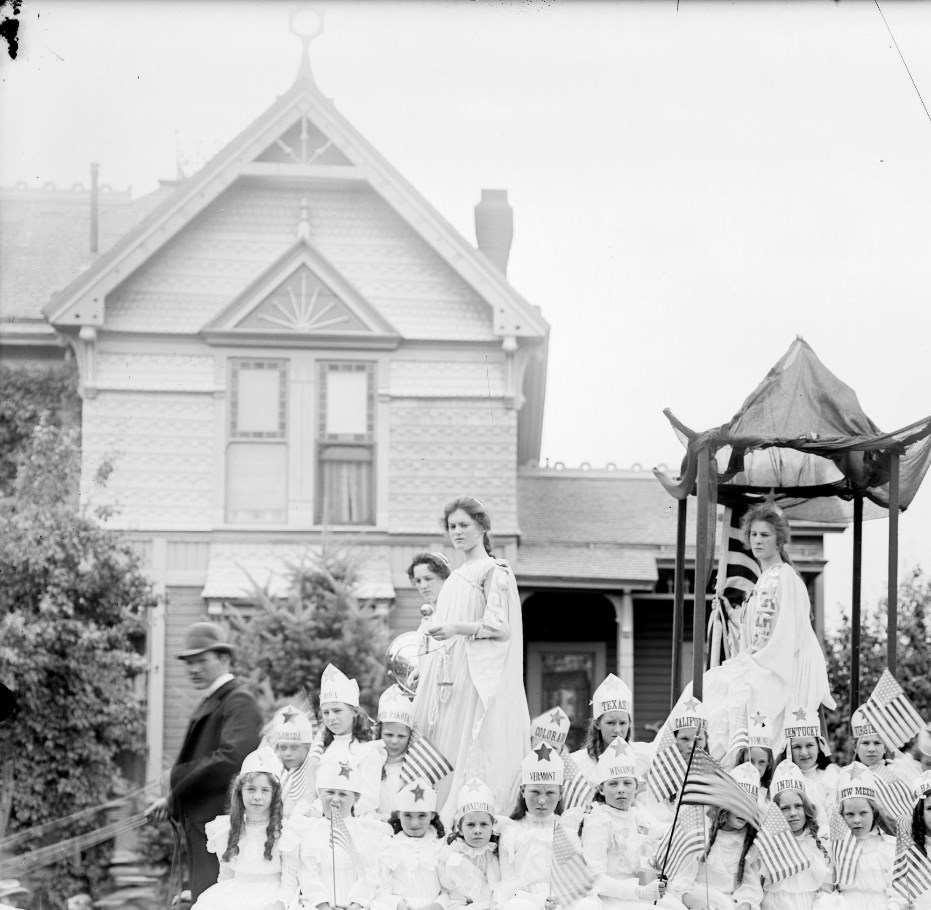
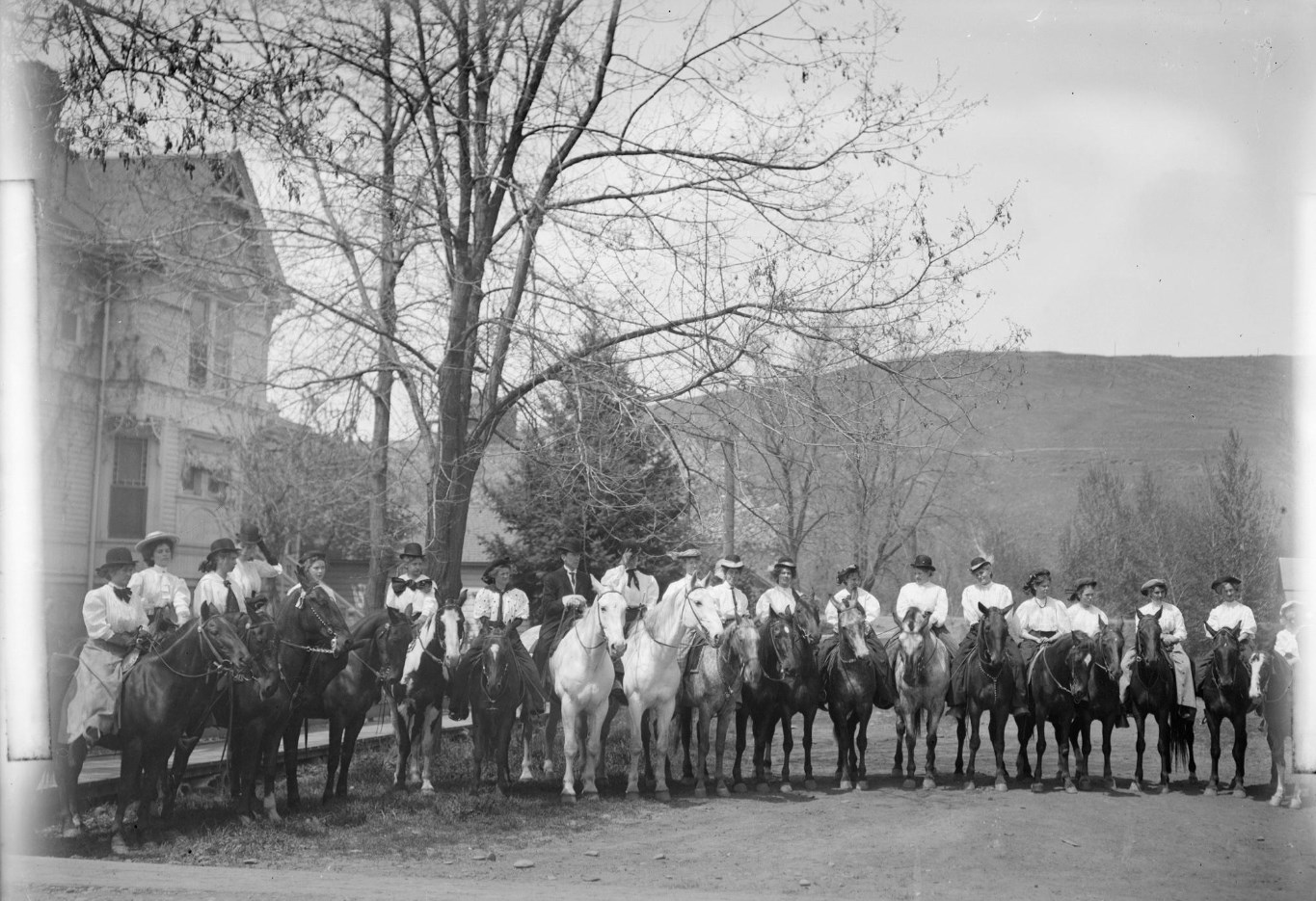
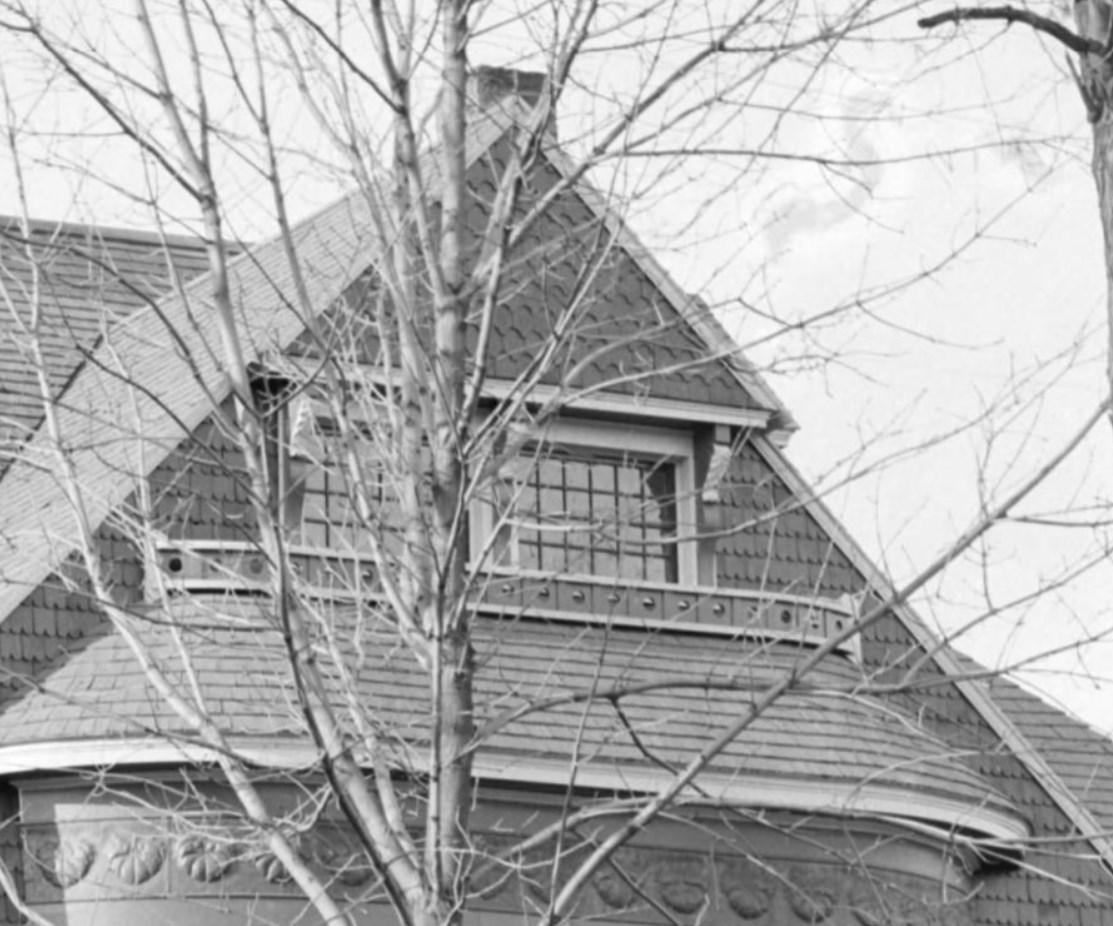
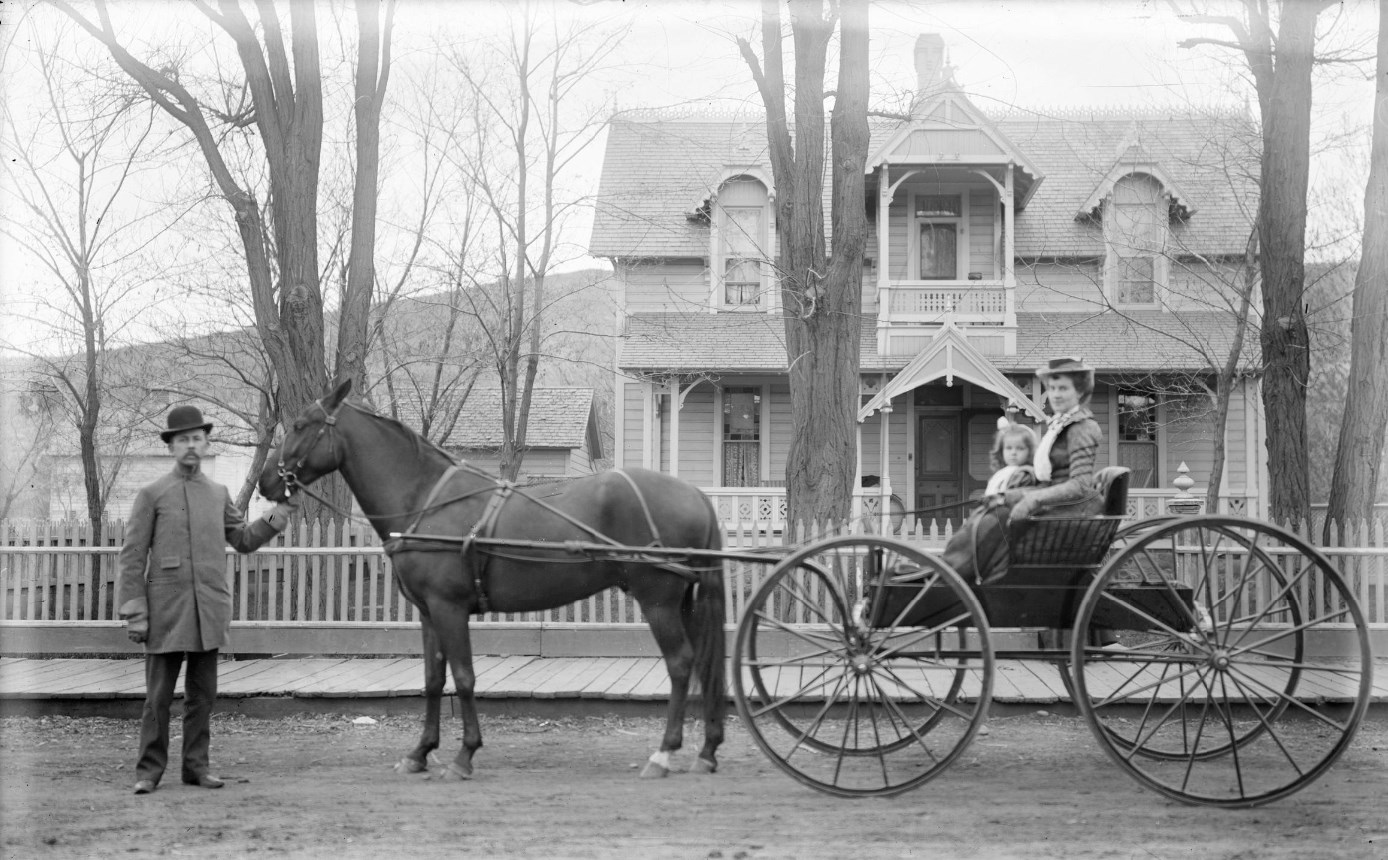
As we zoom in on this beautiful home, we see two outbuildings—one labeled “room” on the Sanborn map and the other identified as a carriage house.
Thanks to JimH for identifying the family that resided in this home.
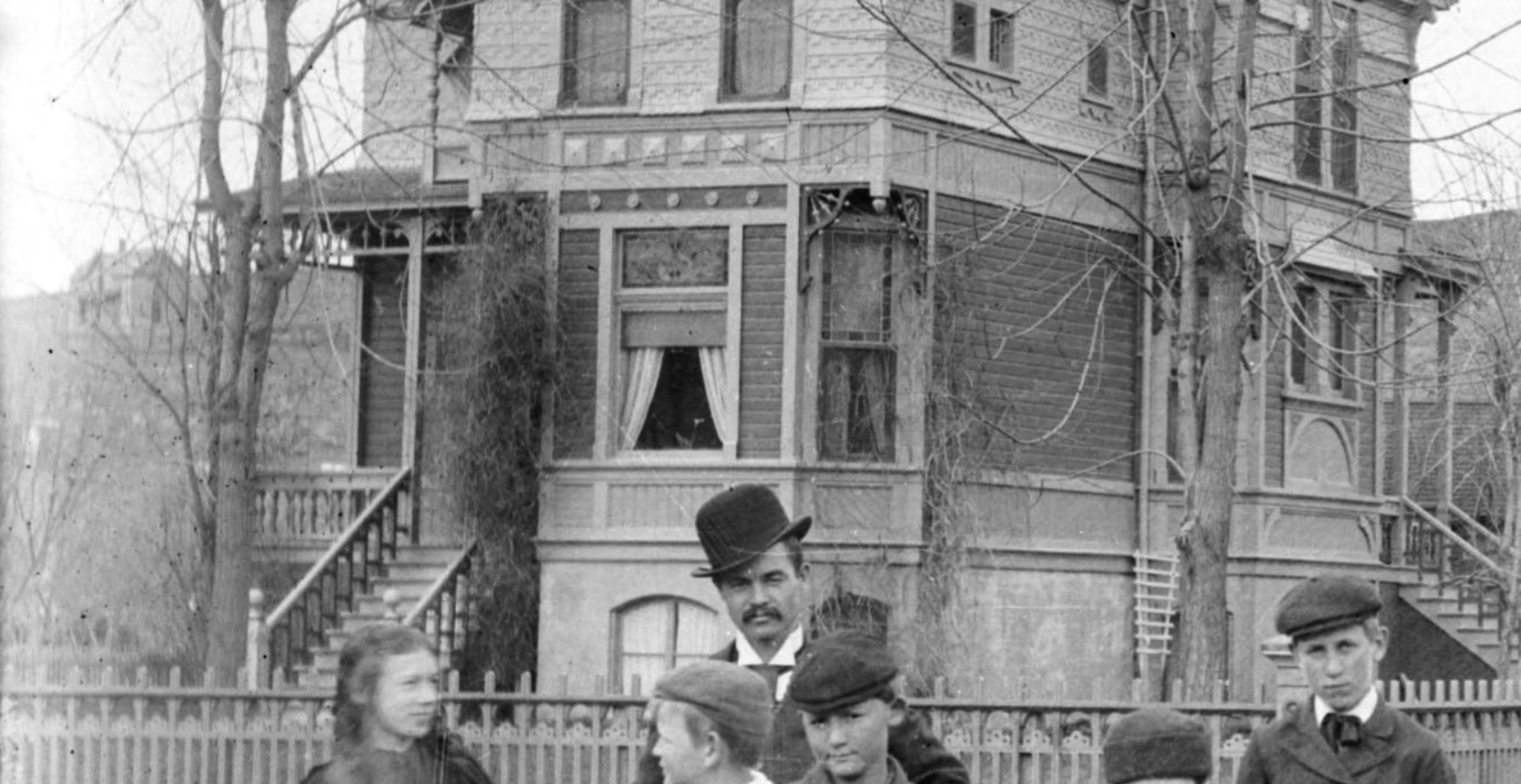
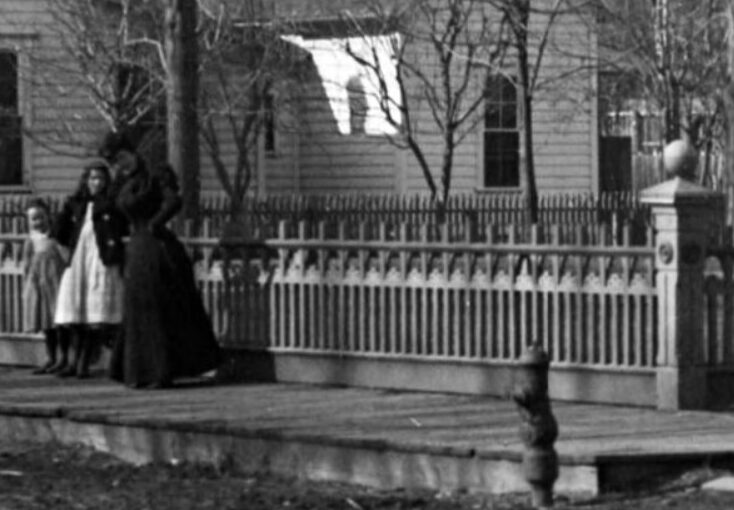
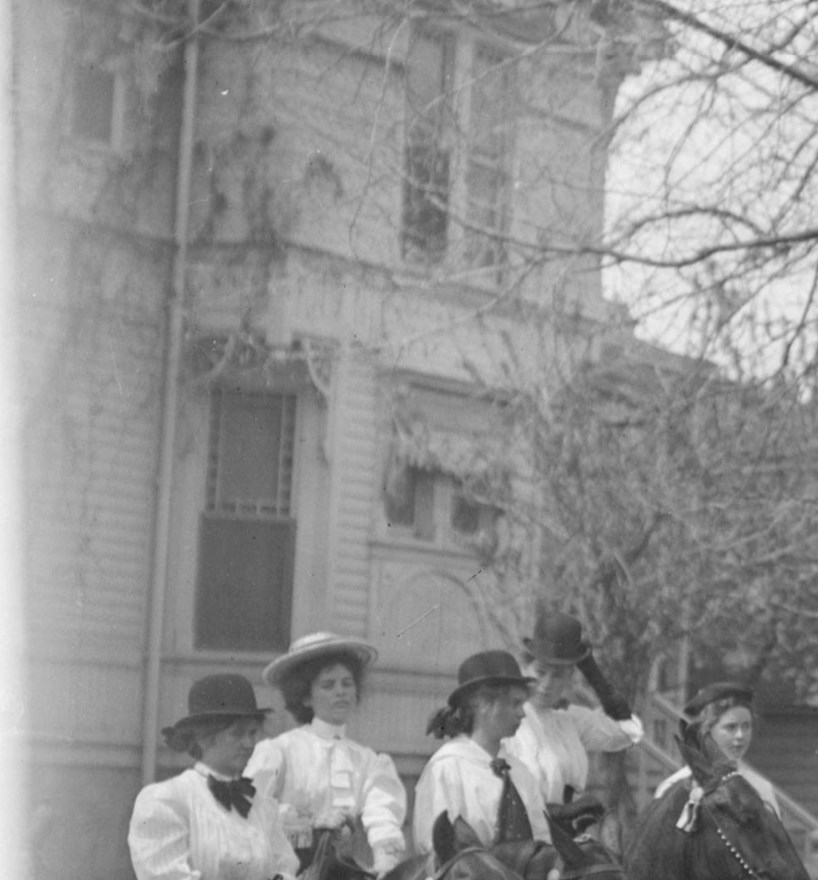
Is that Mr. Thompson after shaving off his beard with the tilted derby? What do you think?

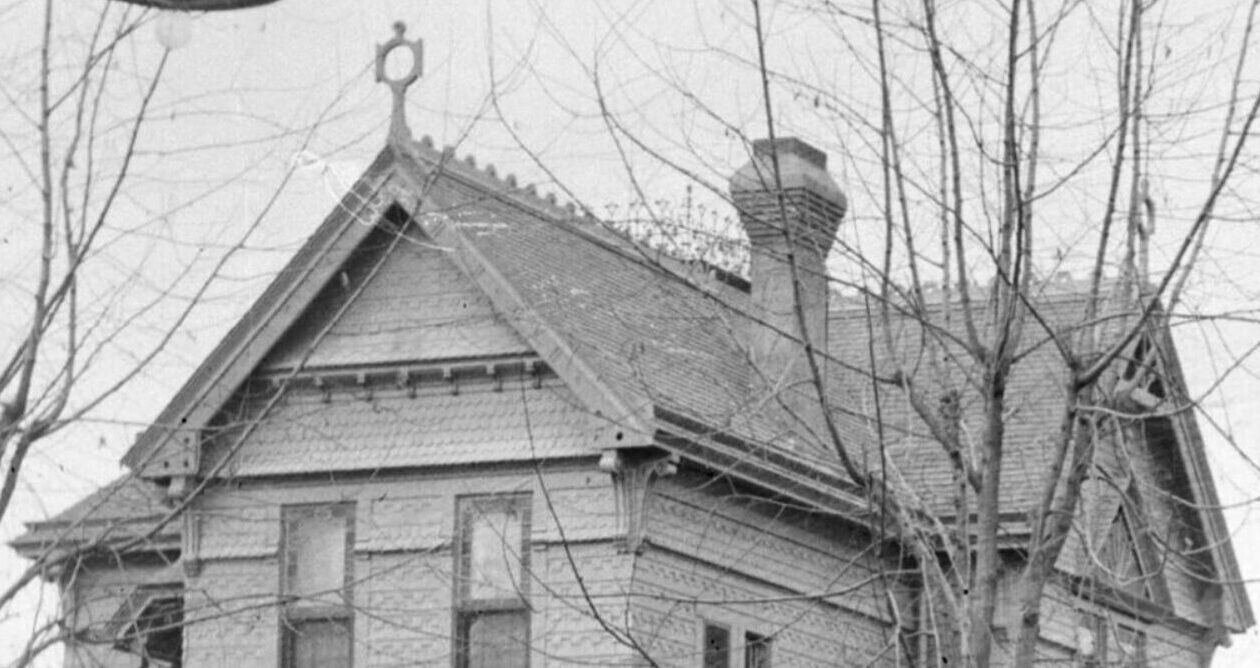
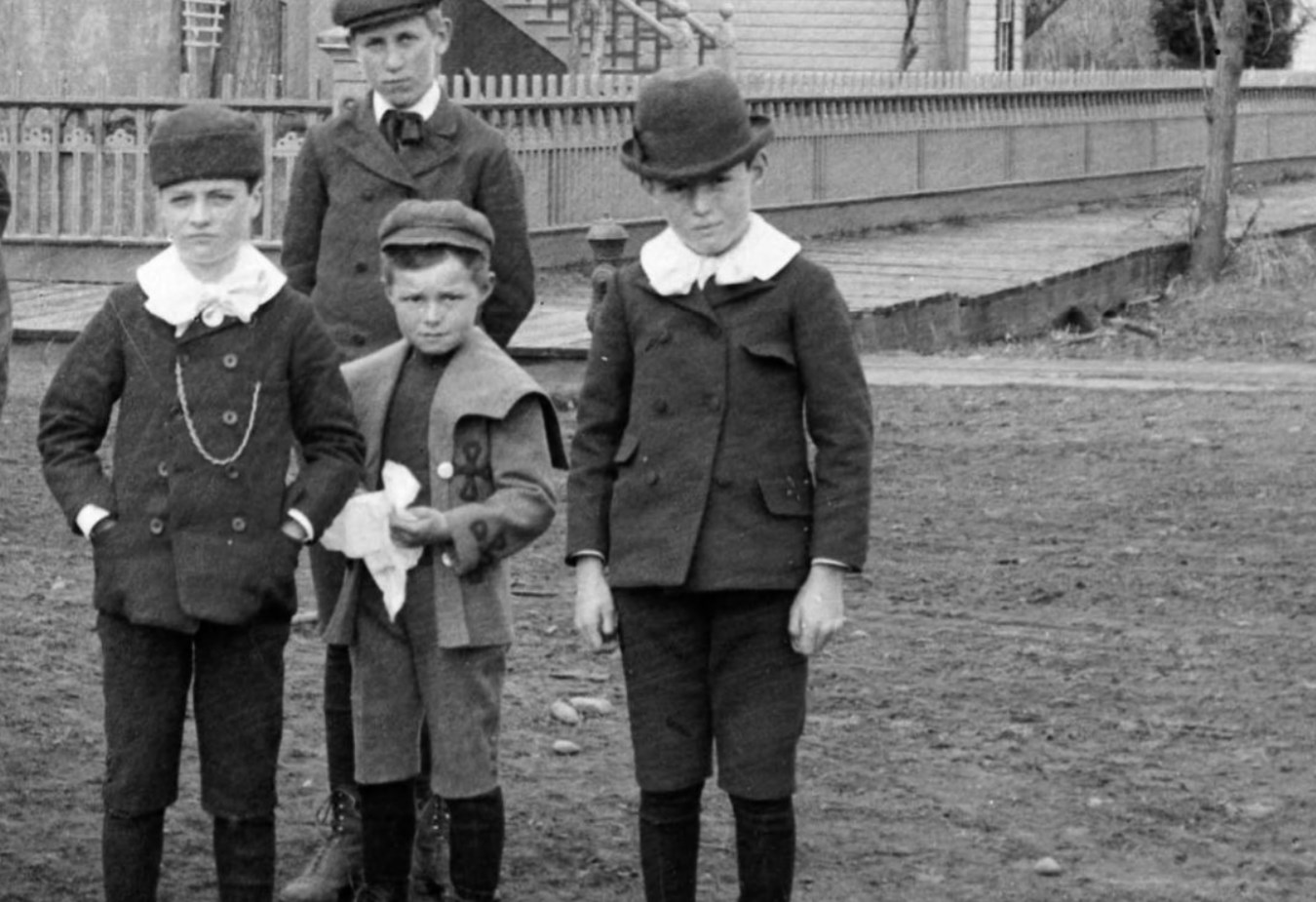
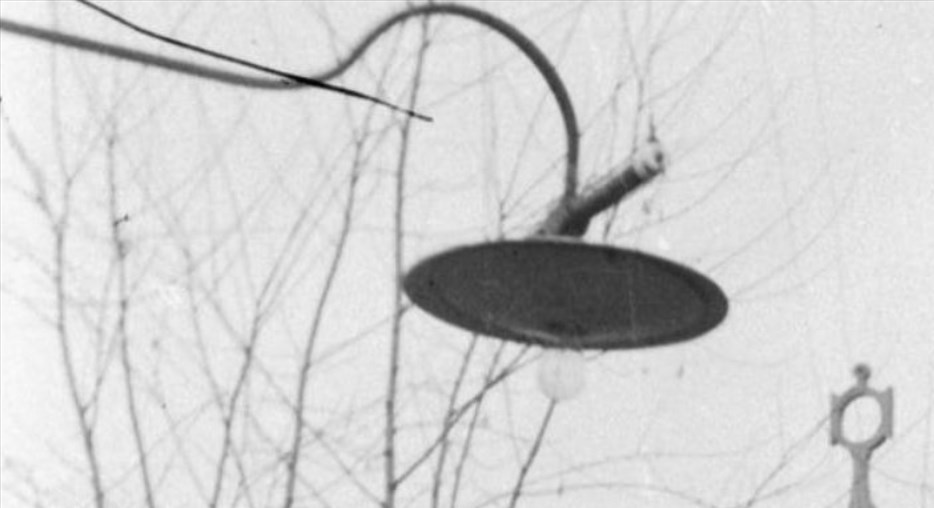
There is still a common misconception that indoor plumbing was only for the very wealthy, but that’s not entirely accurate. Several factors influenced this decision. Was city water available? If not, could rainwater be collected in a tank in the attic to create pressure? Even wealthy people might have resisted this trend, preferring older ways. Some lower-middle-class individuals splurged on the luxury, sometimes going into debt in the same way people do today. Numerous books from the late 19th century discuss “sanitary plumbing,” and I encourage those learning about this topic to read them thoroughly. You’ll discover that the reality is far more complex than the “very wealthy or very poor” stigma often attached to this era.
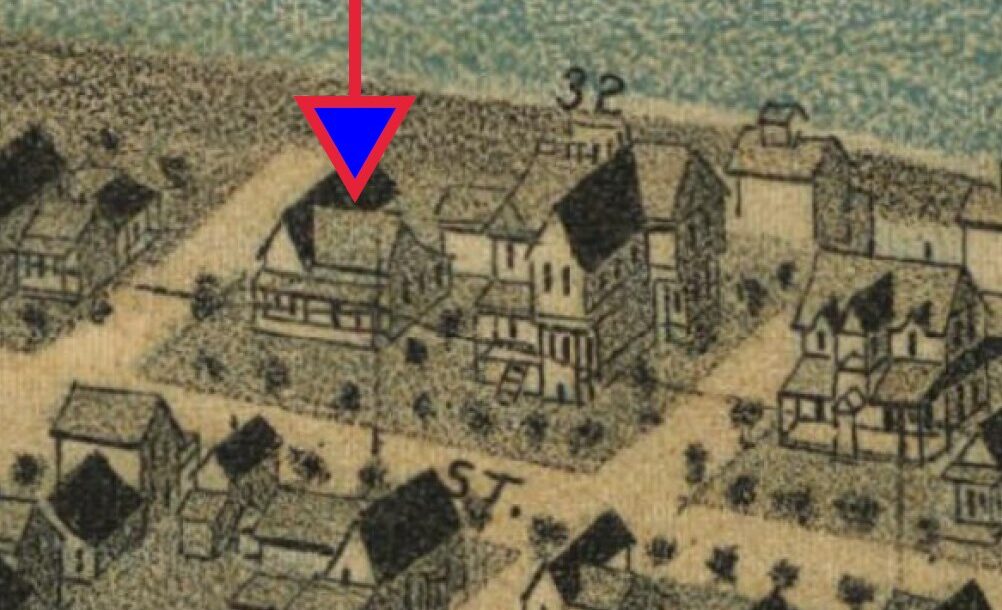
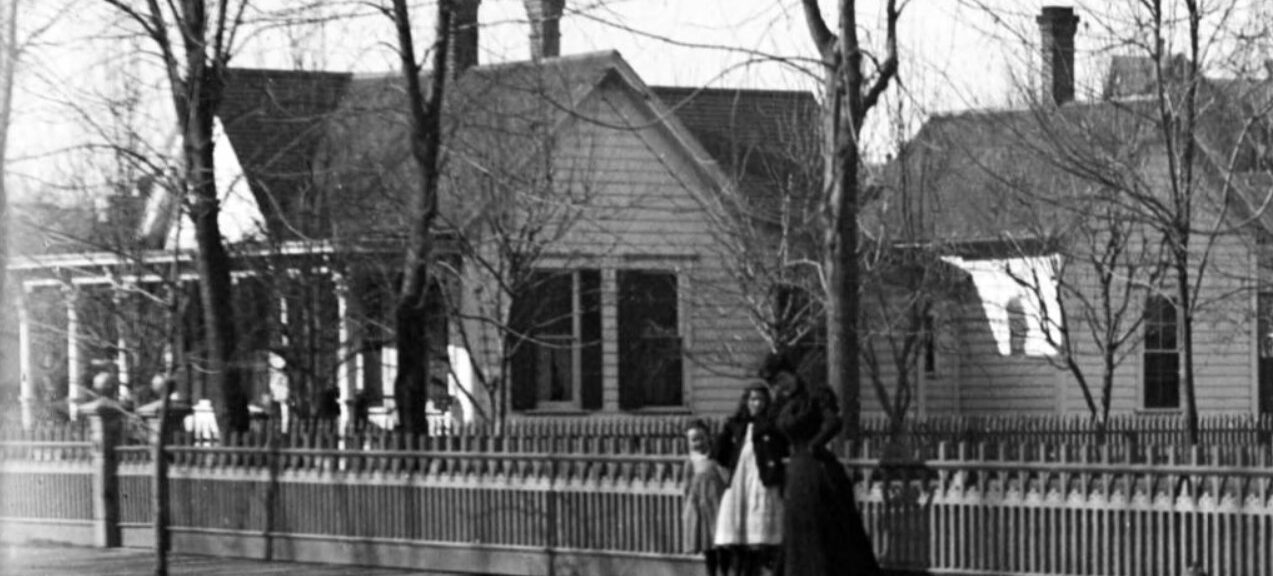
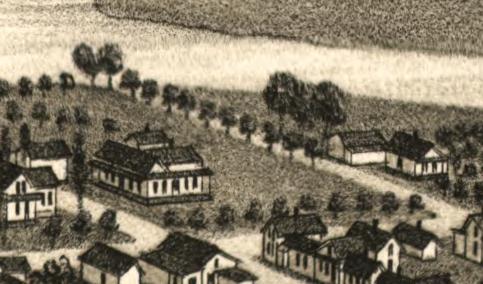
An online copy of the full map can be found here.
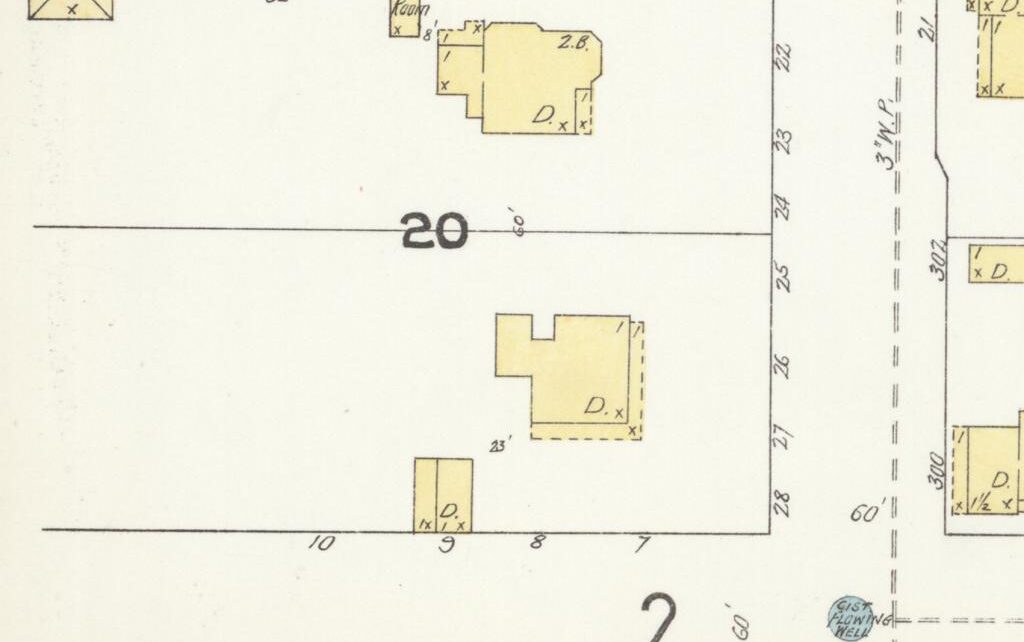
Here is the map of this area. Also, notice in the street to the right, there is a “cistern flowing well” for horses to drink from.
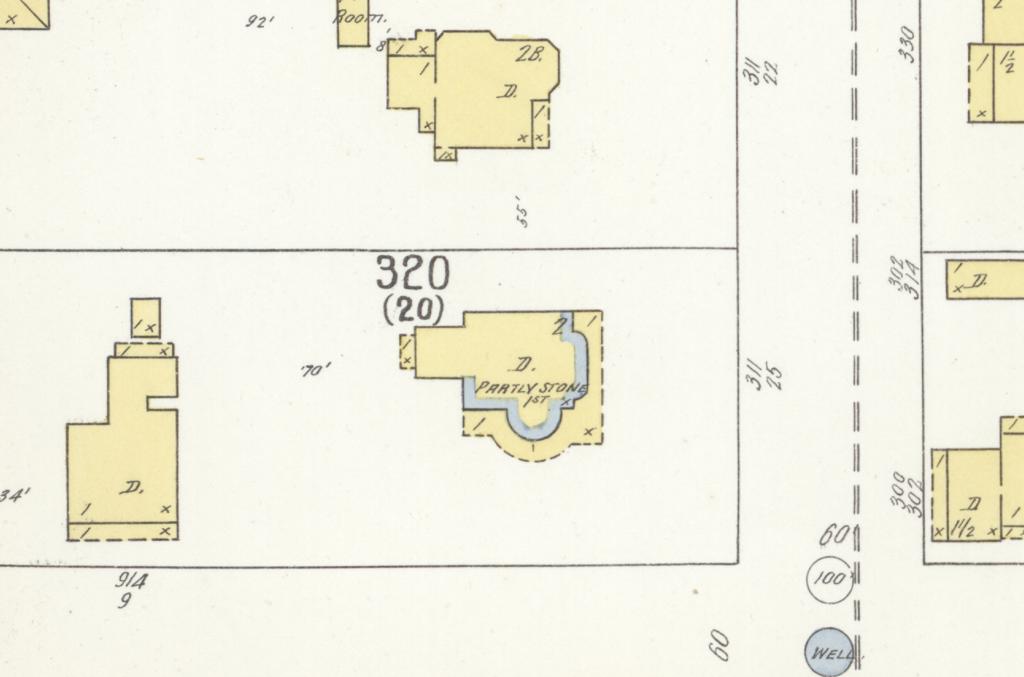
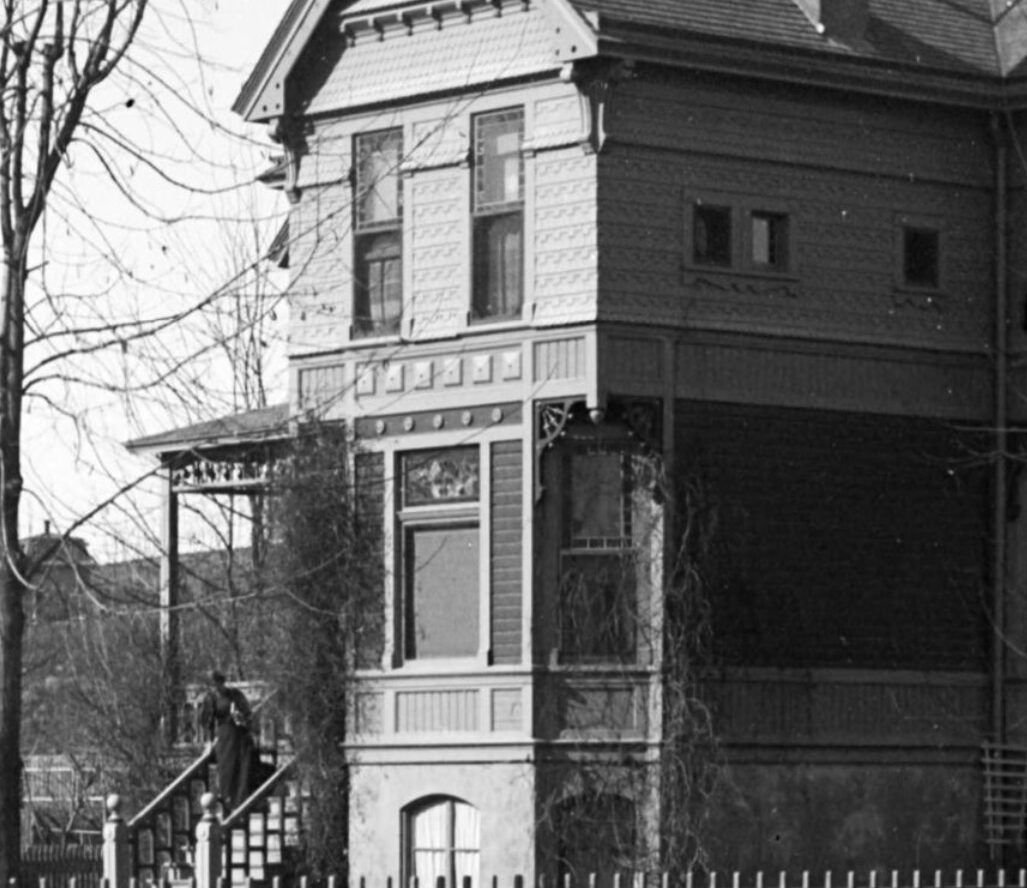
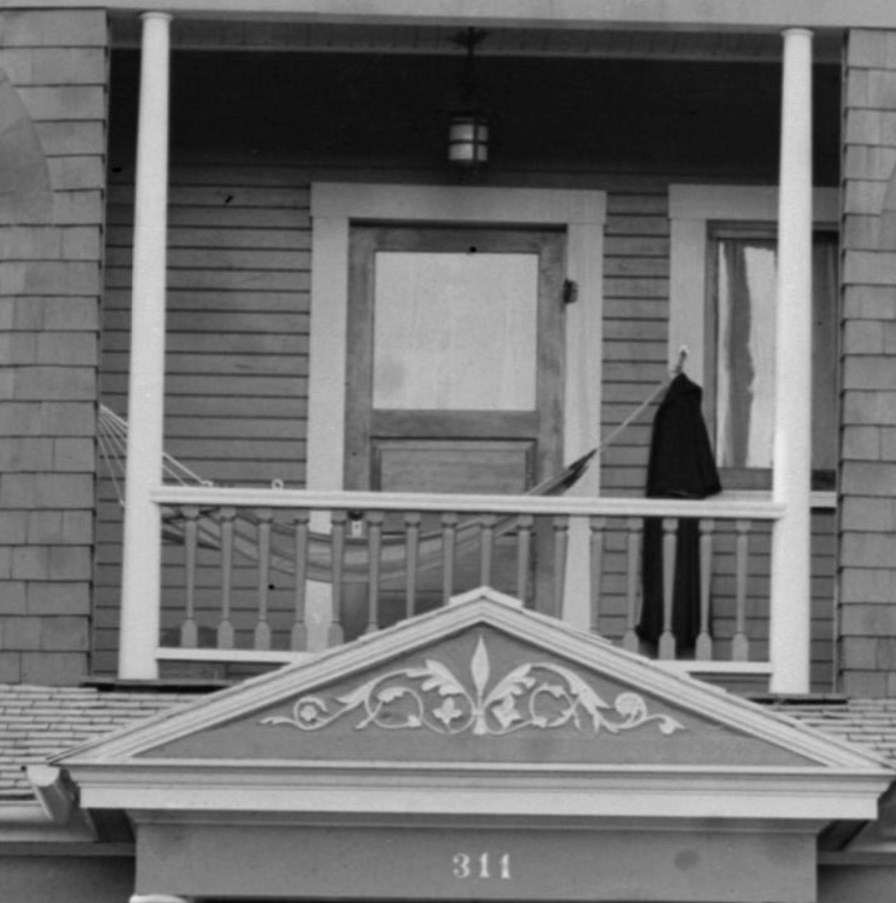
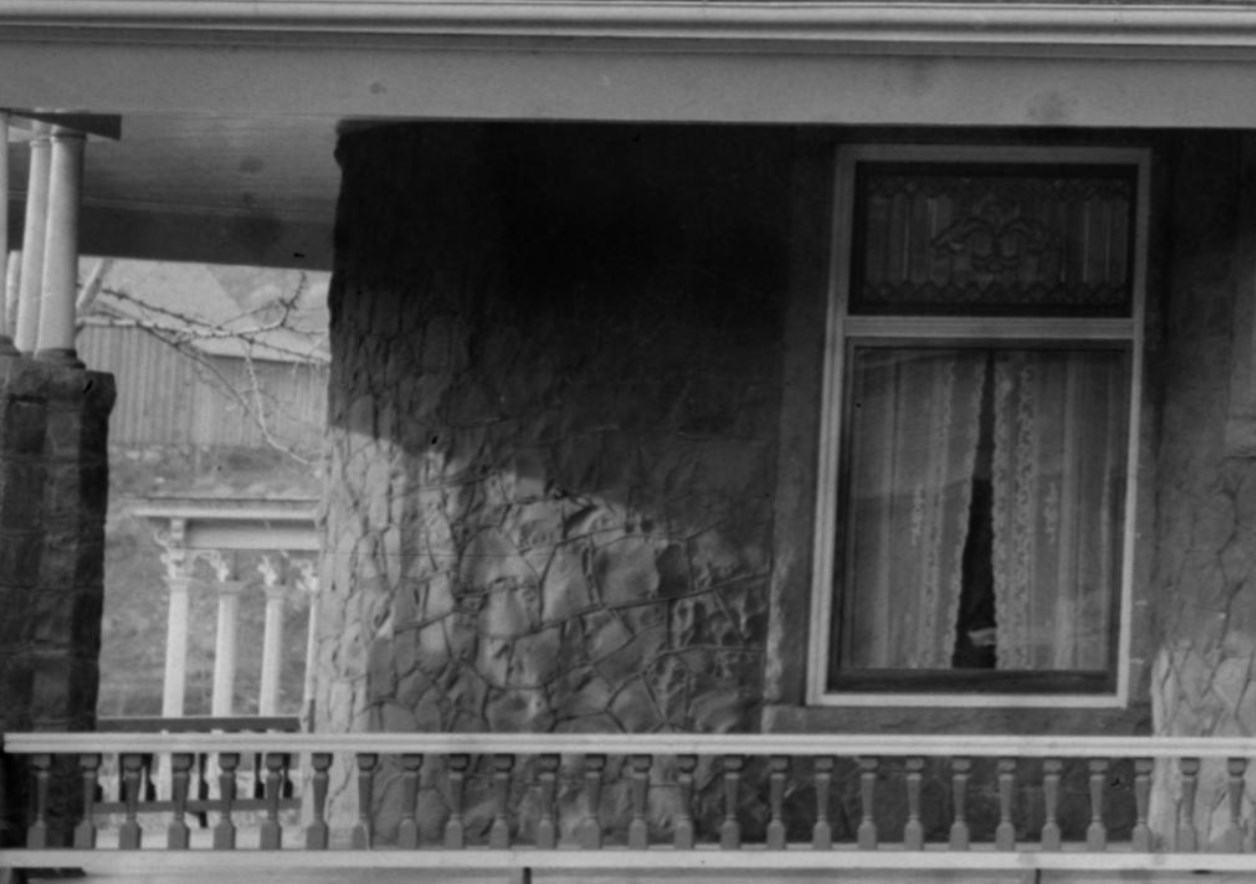
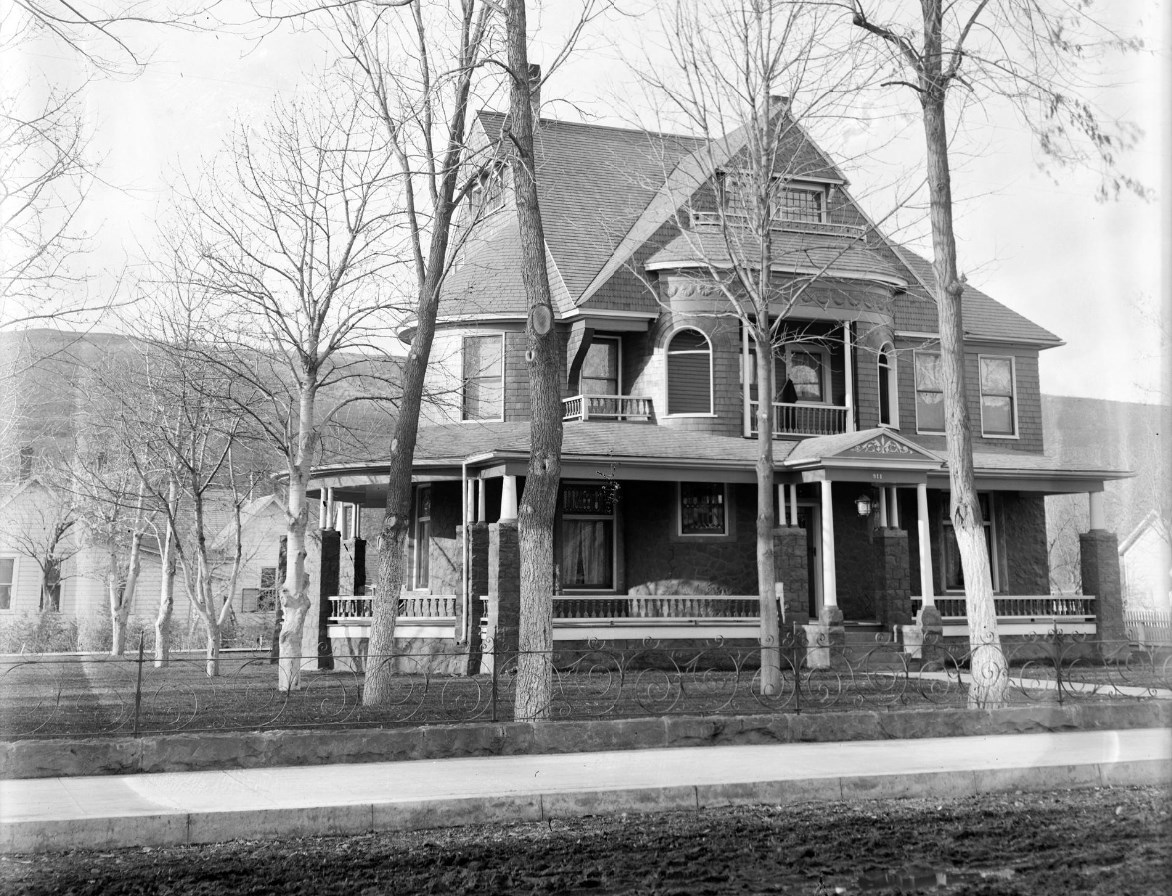
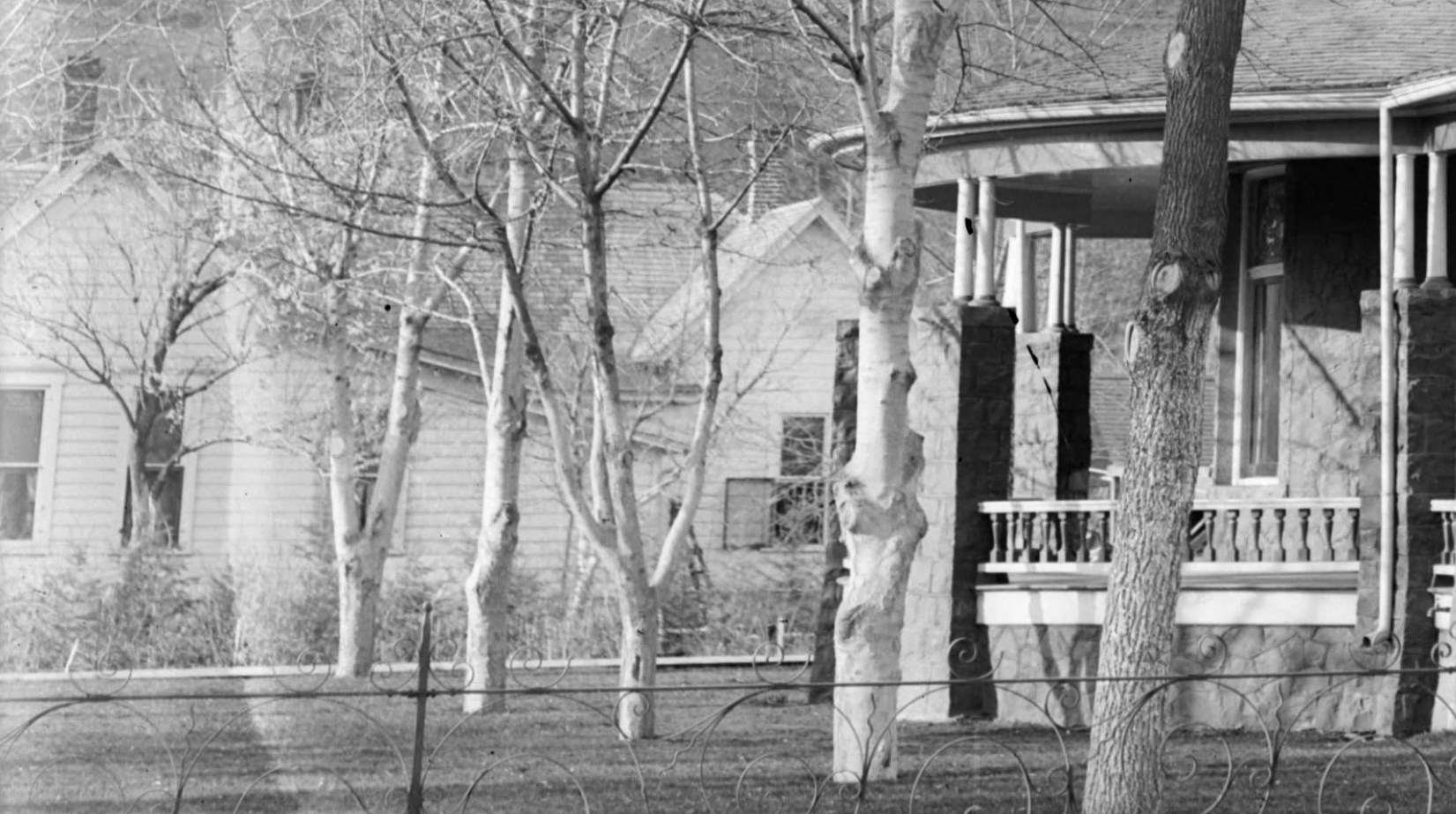
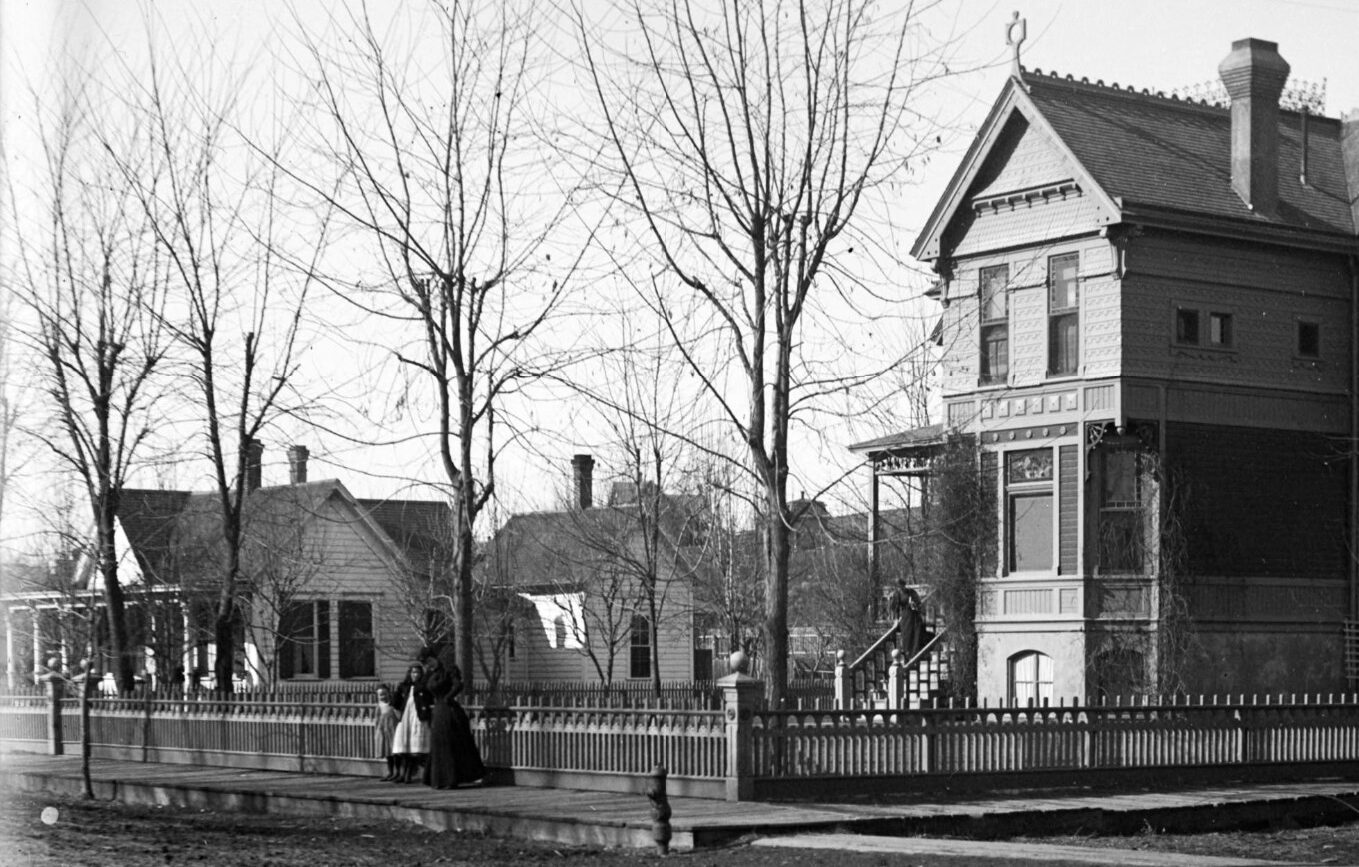
Sometime between 1896 and 1903, the one-story home was either turned and moved to the back of the property or completely demolished. A new two-story home was constructed, with partial stone on the first floor and shingles on the second and third floors. The house number is listed as 311 Water St. The shape of the home the used to be in this location is now surprisingly similar to the home on this image to the left of the new home with the exception of the porch which is no longer wraparound. Sometimes when buildings are moved, the porch configurations are changed.
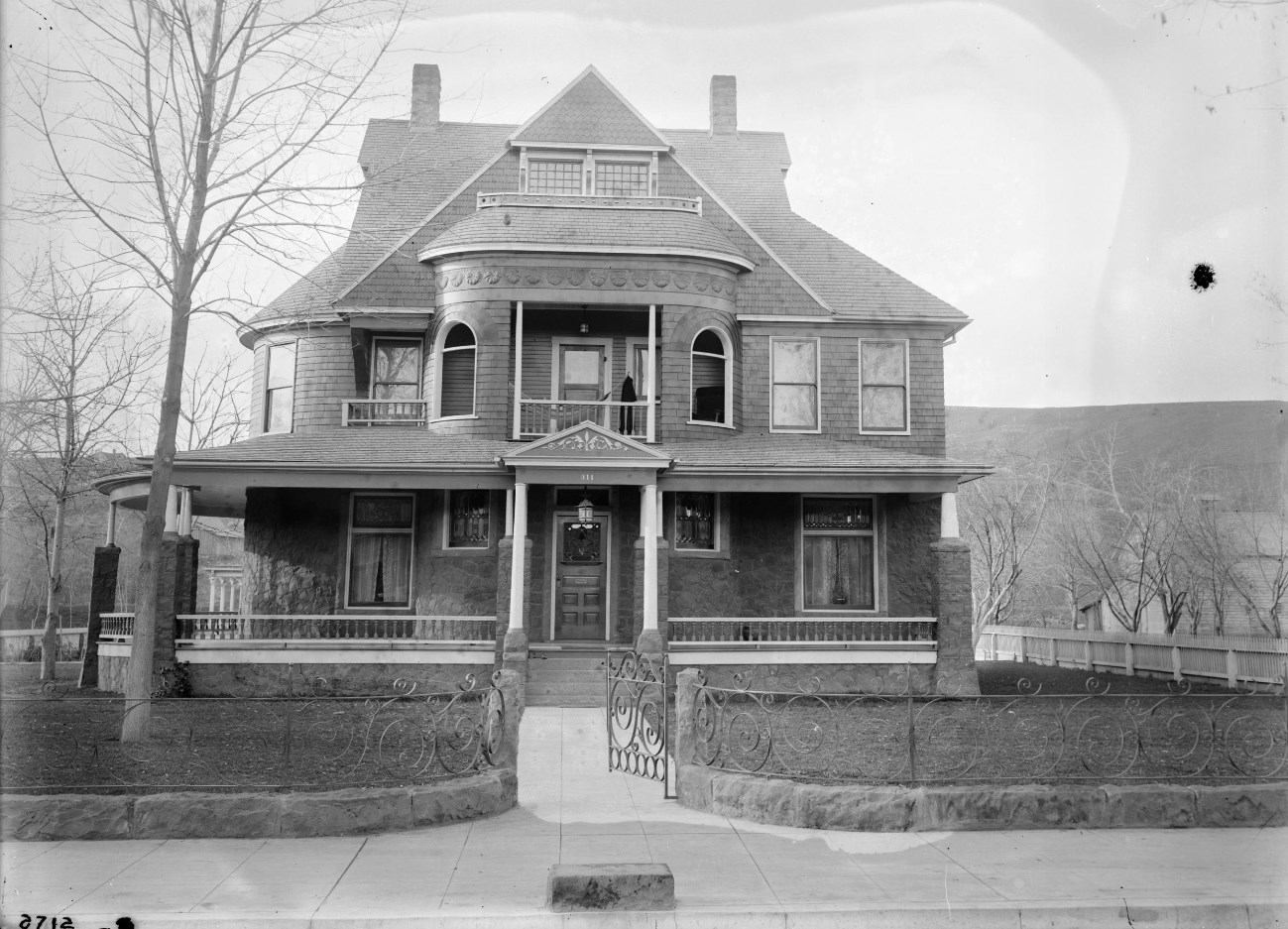
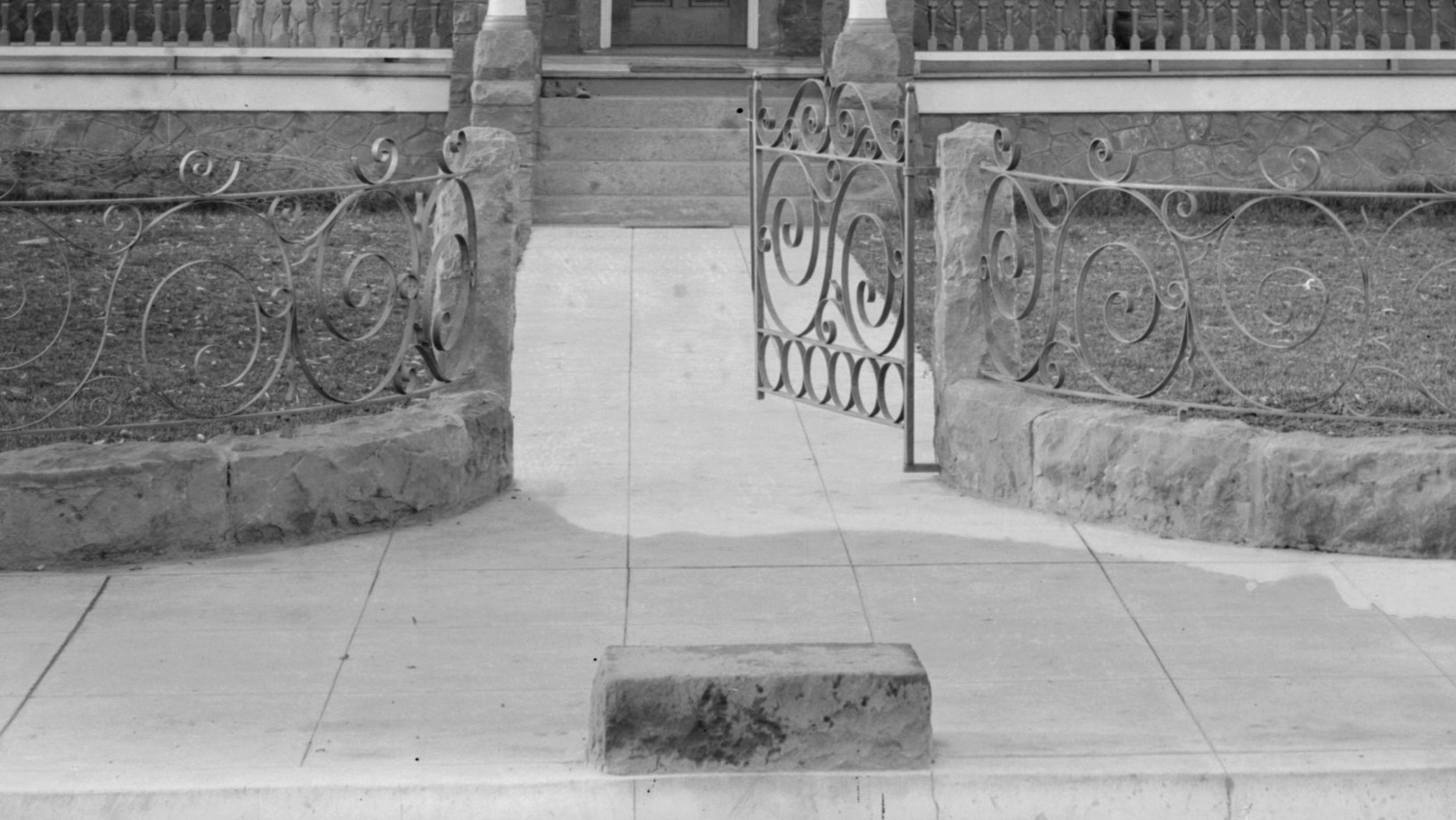
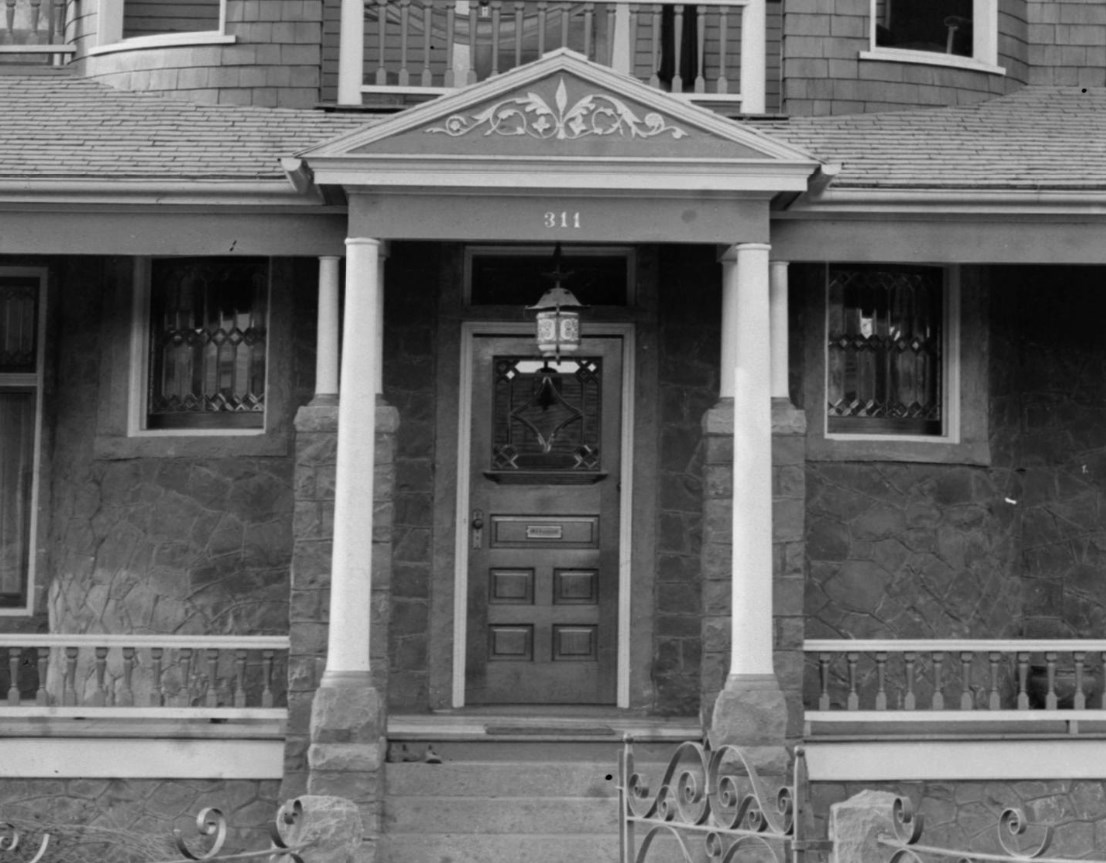
Anyone else notice the shoes on the front steps?
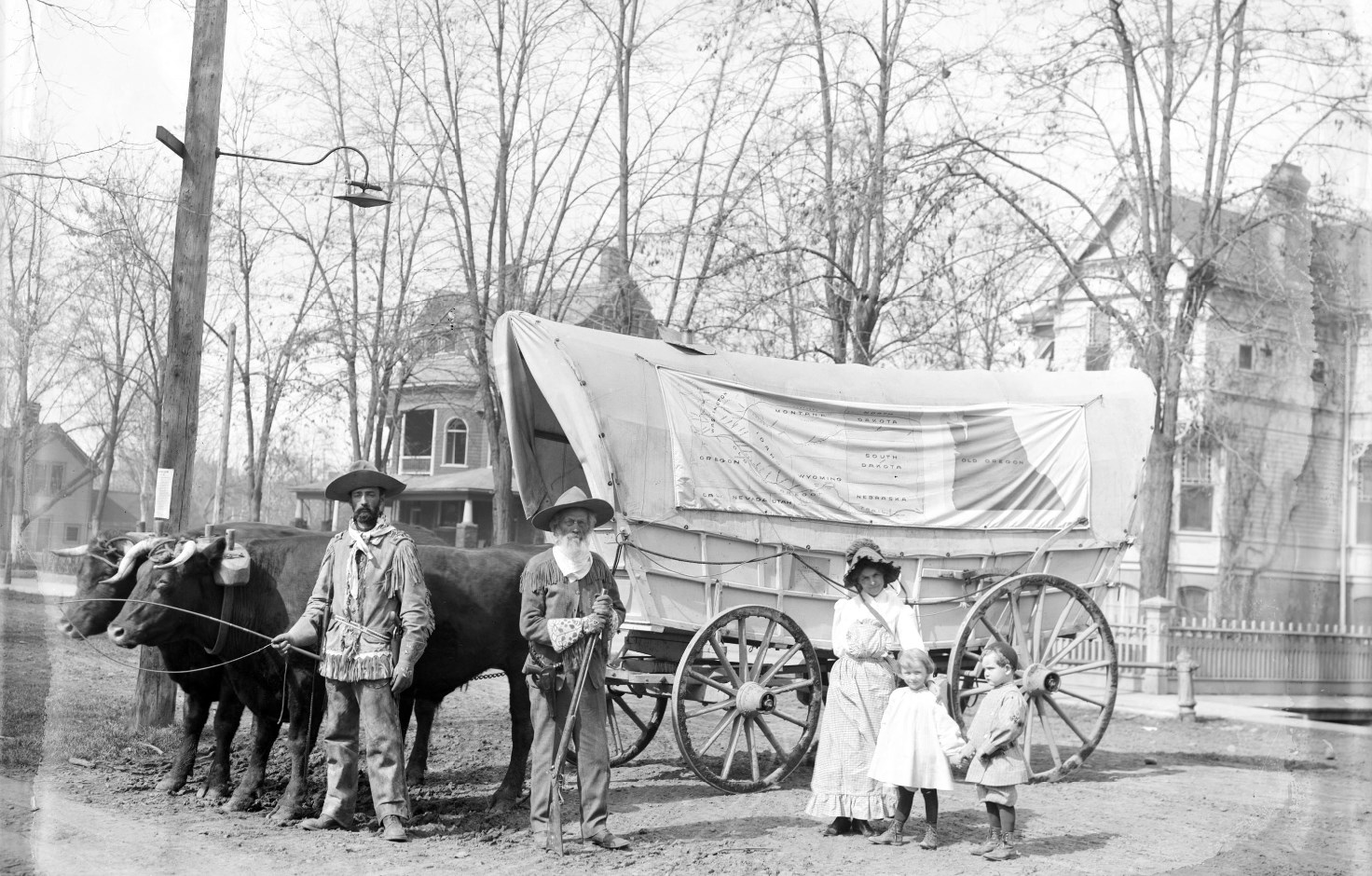
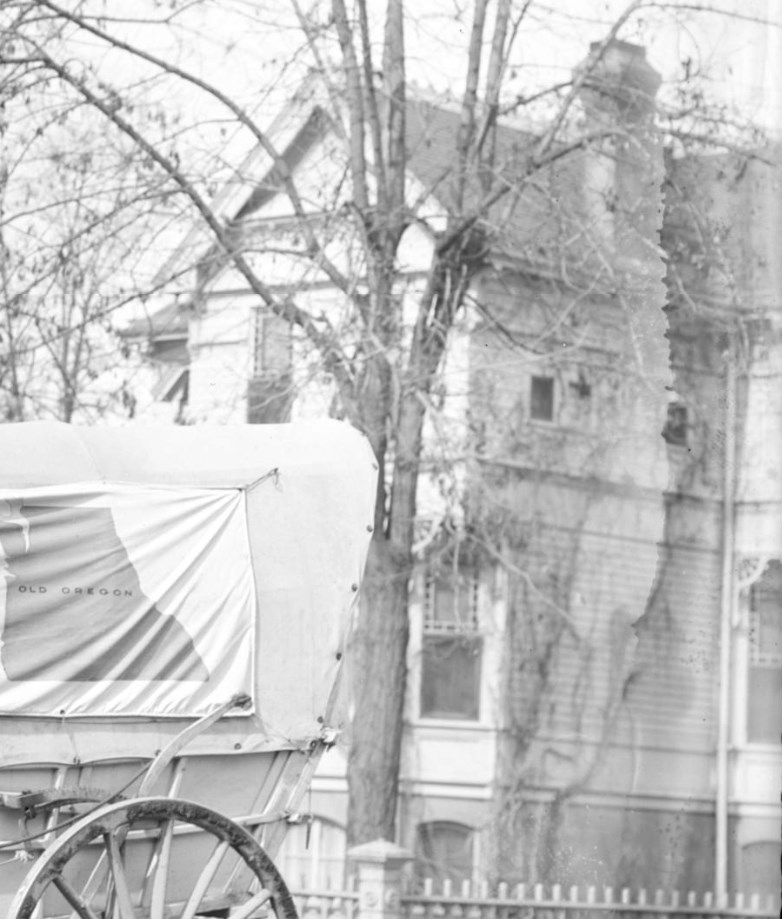
Ezra Meeker was a pioneer, author, and advocate for preserving the history of the Oregon Trail. In the early 1900s, he retraced his original 1852 journey along the trail with a covered wagon and oxen to raise awareness about the trail’s historical significance. The reference to Ezra Meeker with wagon and ox team, Pendleton likely refers to one of his stops in Pendleton, Oregon, during his well-documented expeditions to mark and commemorate the Oregon Trail. Meeker’s efforts led to the placement of historical markers along the route and contributed to broader recognition of westward expansion history. He made multiple journeys across the trail, even taking to the skies in an airplane later in life to continue his advocacy.
Before & After Photos:

Put your research, thoughts, or ideas in the comments below.
The Lee Moorhouse Collection Chapters:
The Moorhouse Collection: Part 1
The Moorhouse Collection: Part 2