A House of Many Names — Part 1
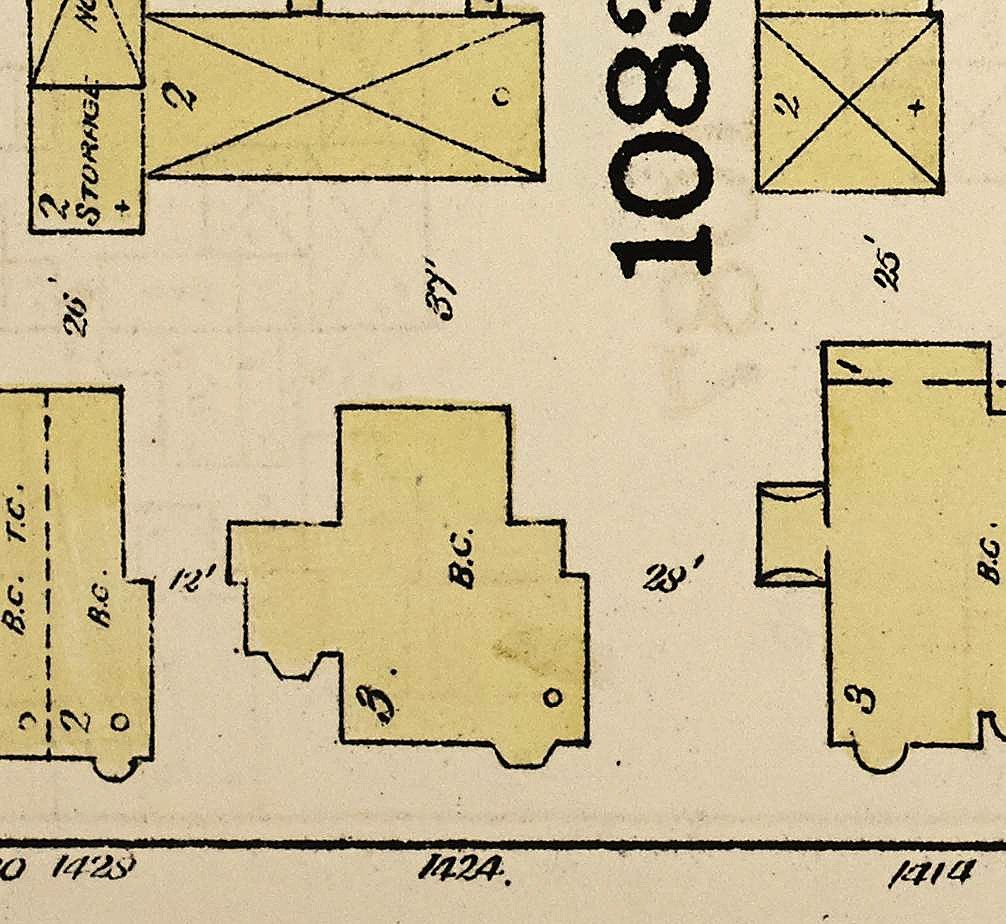
Many historic homes present a clear and traceable story, where owners, dates, and changes fall neatly into place. Others, like this residence at 1424 McAllister Street resist that kind of simplicity. Instead of a single, continuous narrative, the house emerges through fragments—conflicting directory entries, shifting occupants, and architectural clues that suggest change rather than stability. This makes the historical record layered and difficult to reconcile as well as fun for those who like a challenge.
The home at 1424 McAllister Street in San Francisco has several photographs. They consist of the exterior, hall, reception room, dining room, and library. On the back of the photos is written "home of the Shilling residence". However, in the late 1880s, the house is consistently associated with Charles Lind, while other names—Alexander P. Adams, the Taylor family, and later socially listed residents such as Prof. and Mrs. G. Saurlet, Mr and Mrs Mozart—appear in overlapping directories and social registers. Even the name Asher Hamburger comes up in newspapers as living at this home and dying of a brain hemorrhage in 1897. Together, these details point not to a clean lineage, but to a house that evolved—changing hands, form, and identity—leaving behind a rich but complex historical trail.
Was there ever a Shilling in this house? An interesting connection was found in San Francisco Chronical 1910 that states, "Mrs. Shilling ... with her young son, went to the home of her mother, Mrs. E.H. Mozart, at 1424 McAllister street". That's where the story stops for now. All that aside, the absence of a clearly defined chain of ownership may ultimately be a strength rather than a limitation. Without a single narrative dominating the story, the focus naturally shifts to the house itself—its interiors, decorative schemes, and the way its spaces were arranged and used.
A big thanks to JimH for helping me with the research on this house!

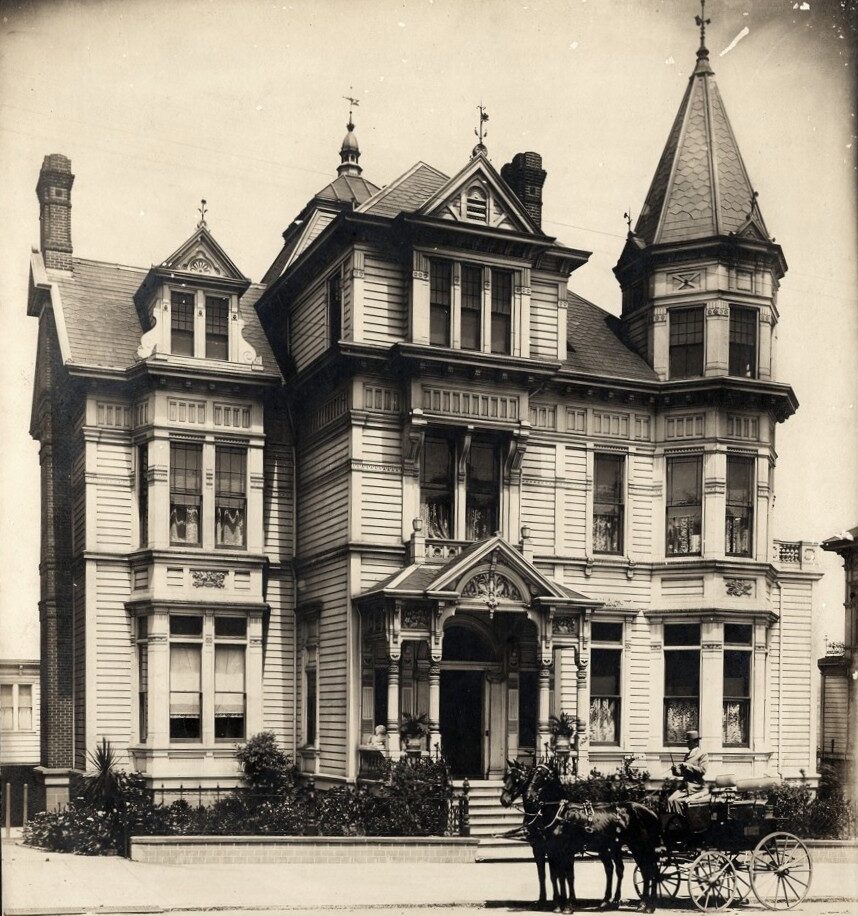
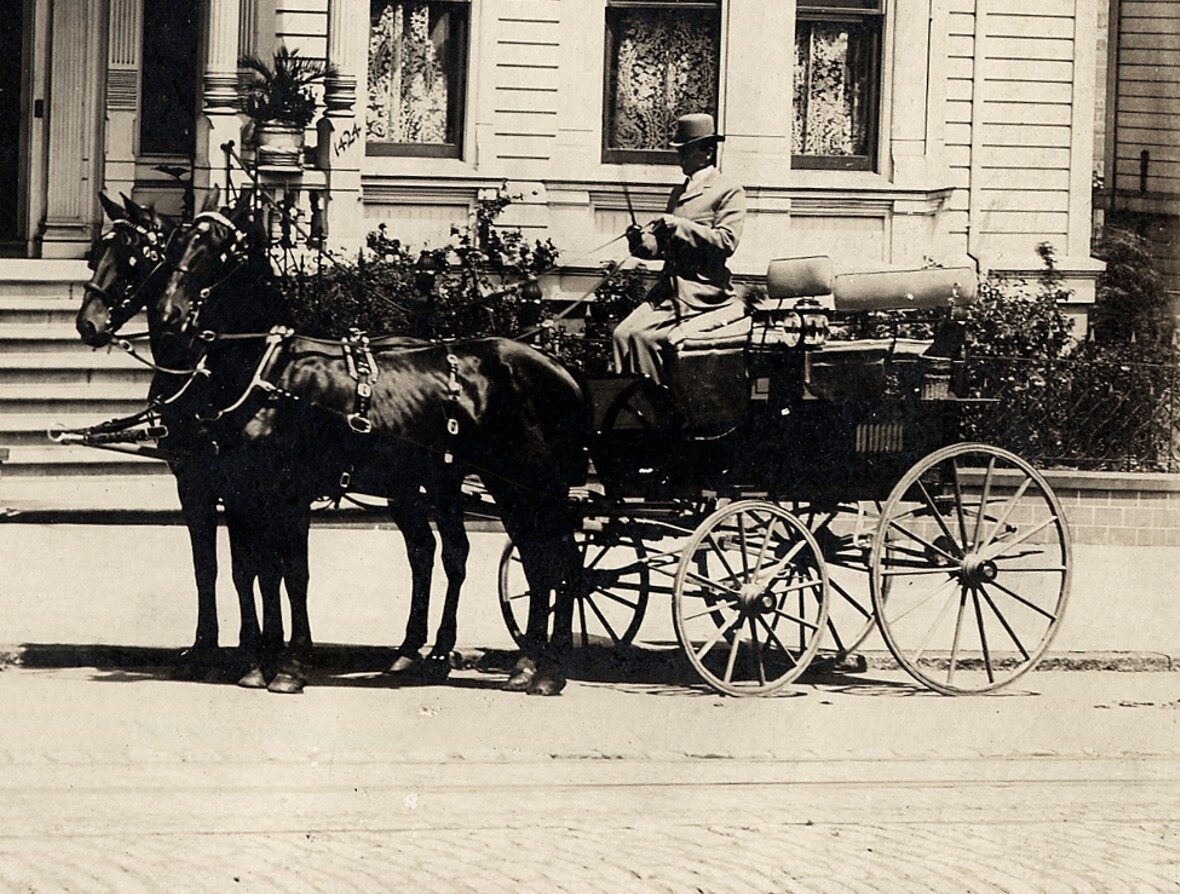
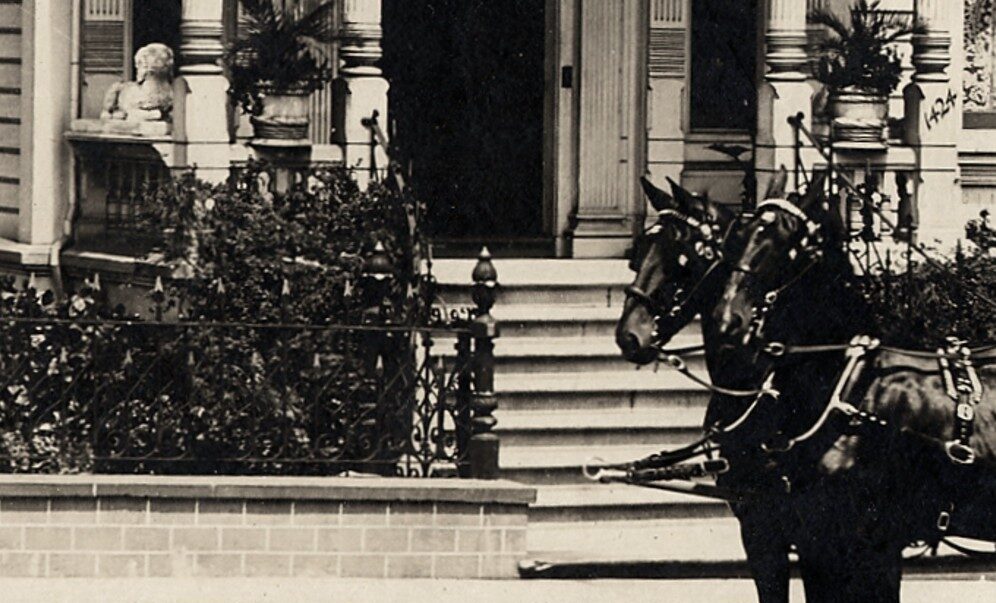
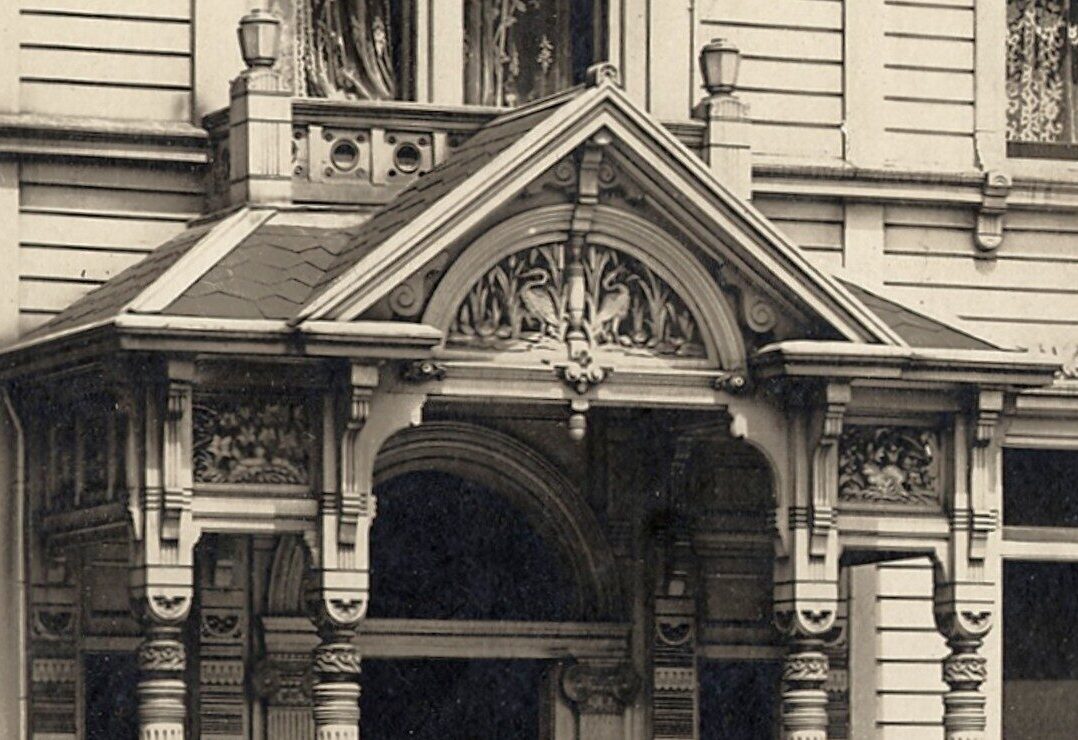
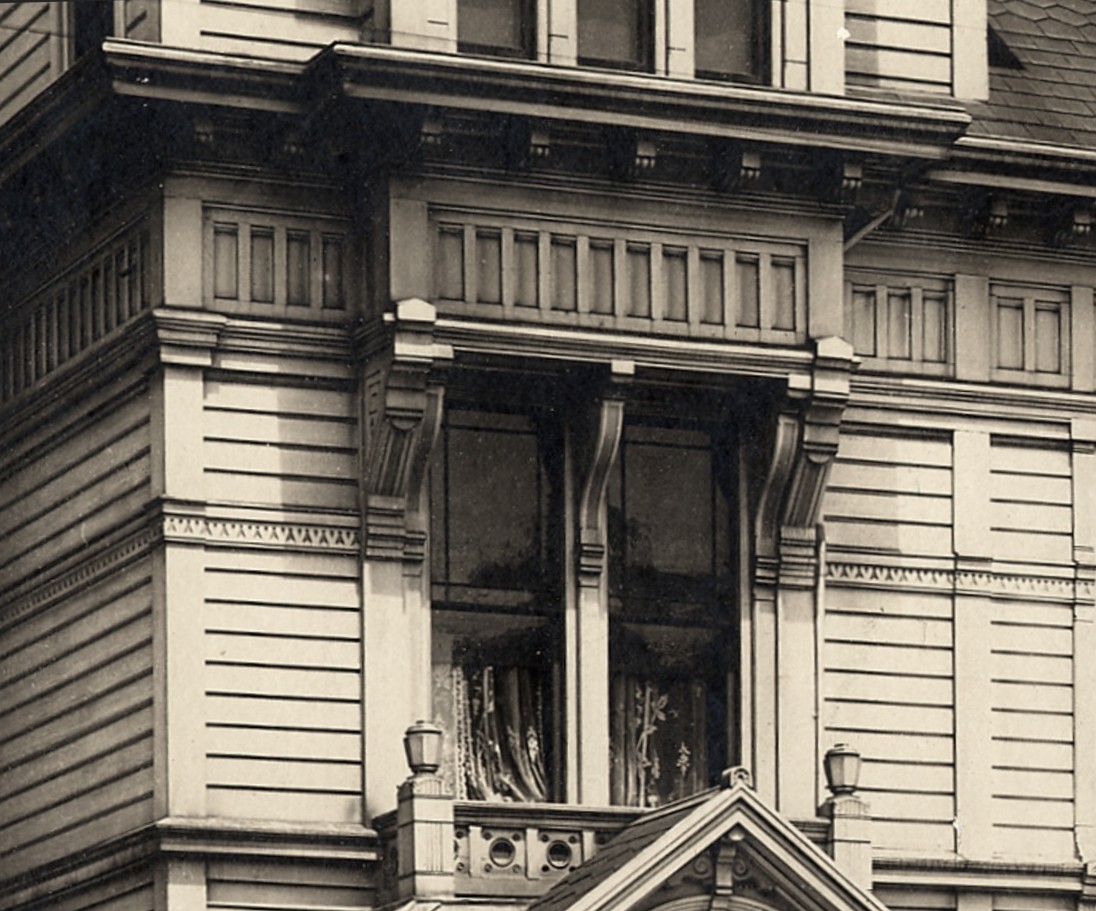
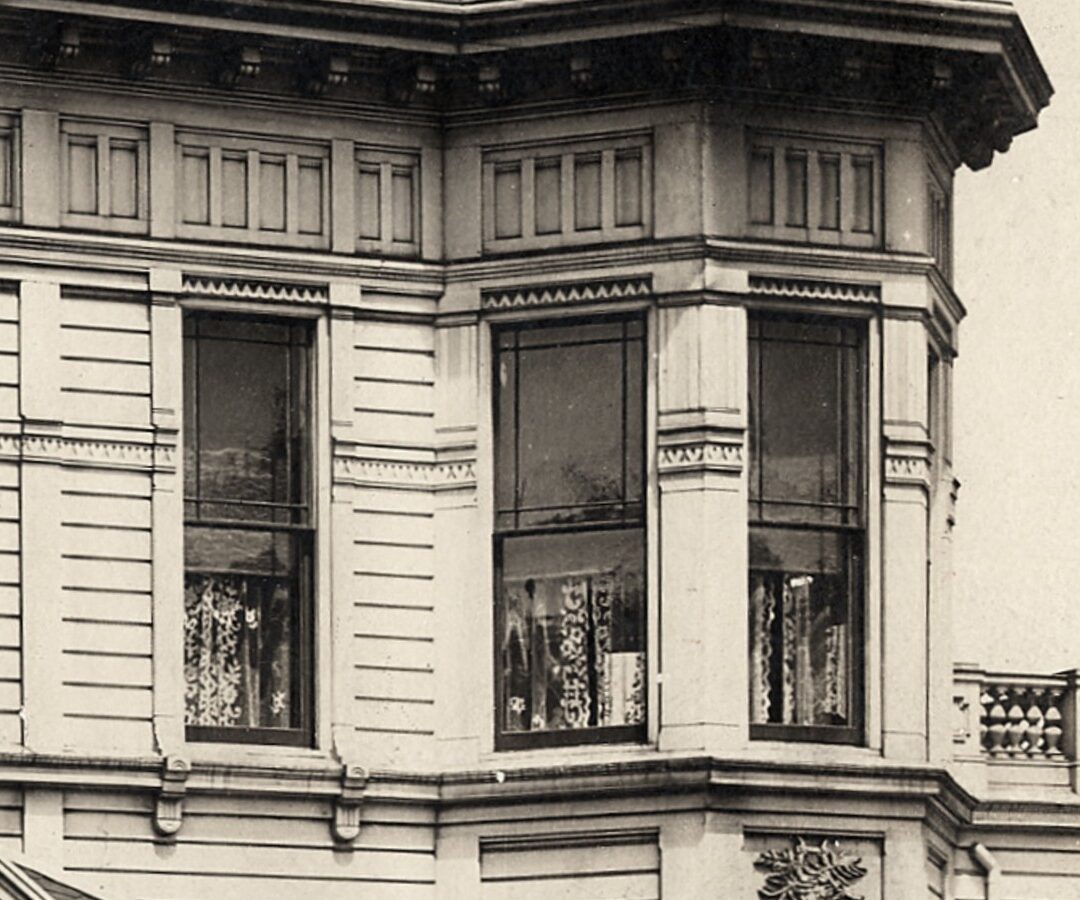
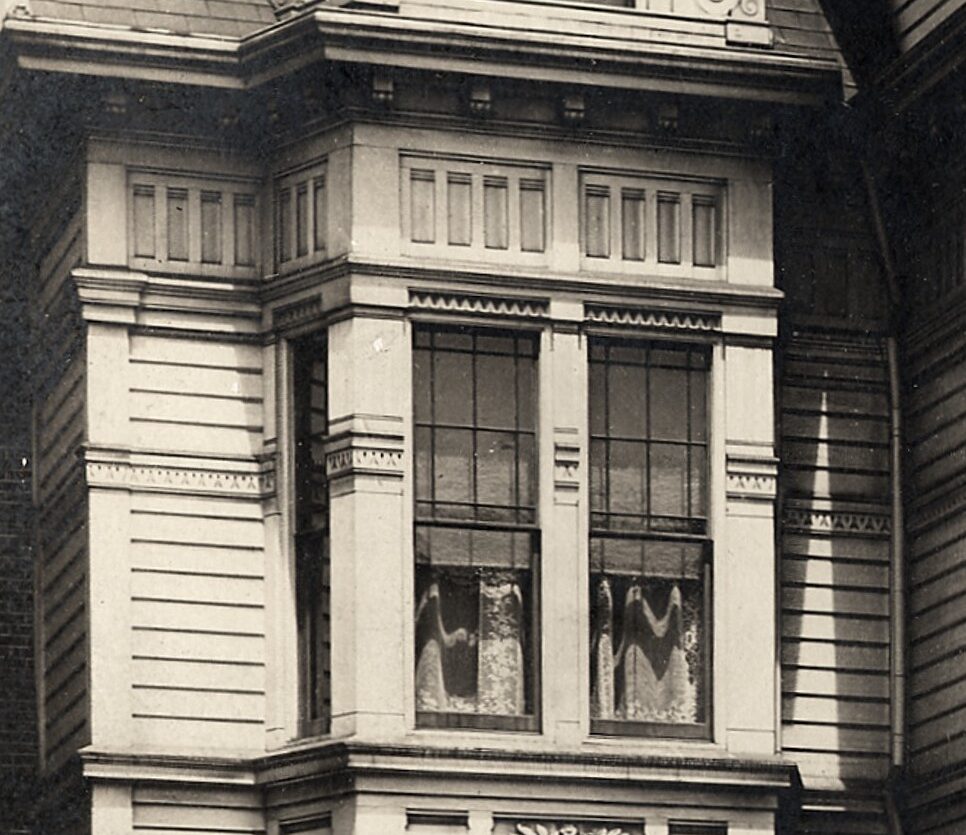
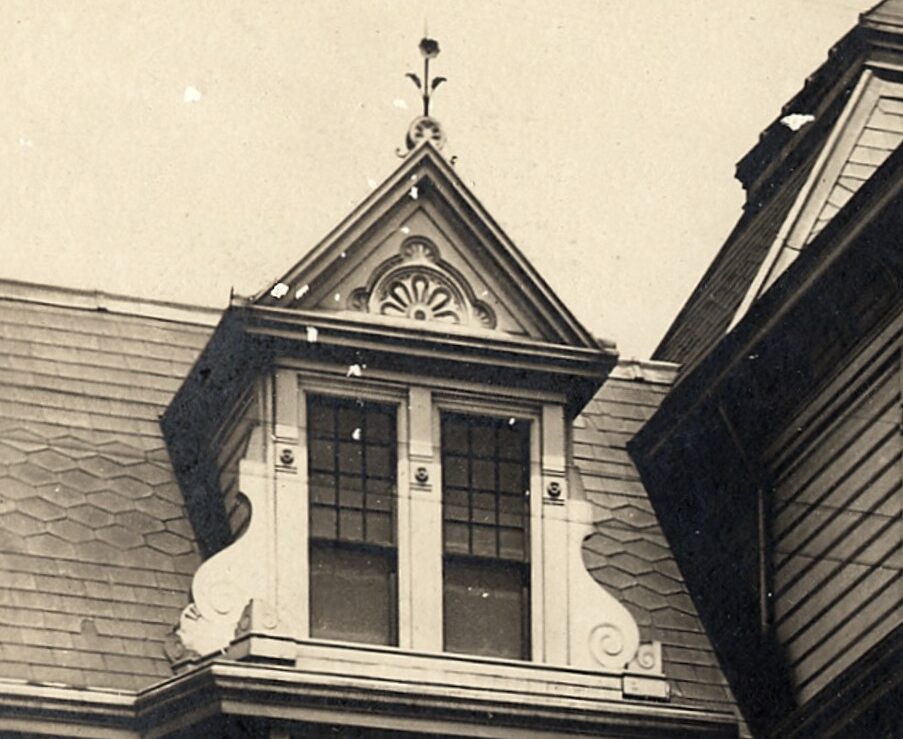
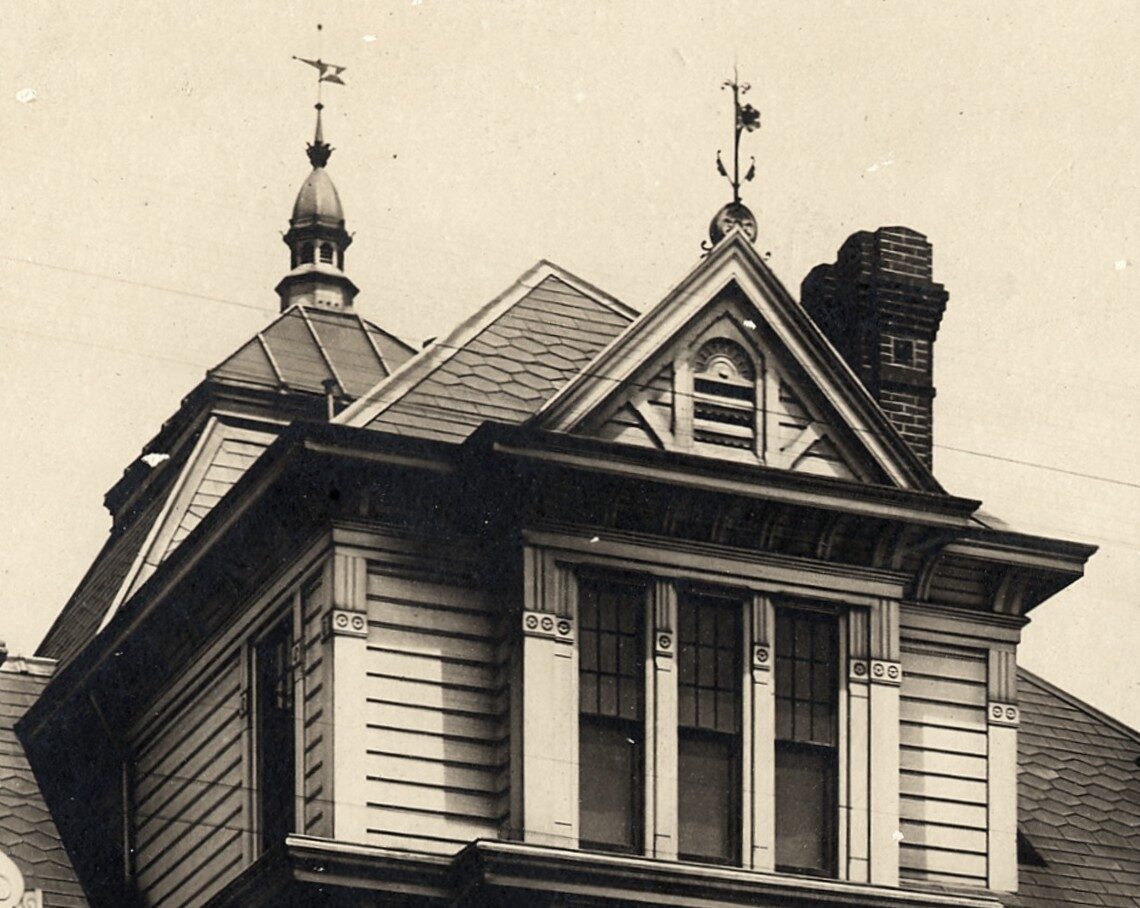
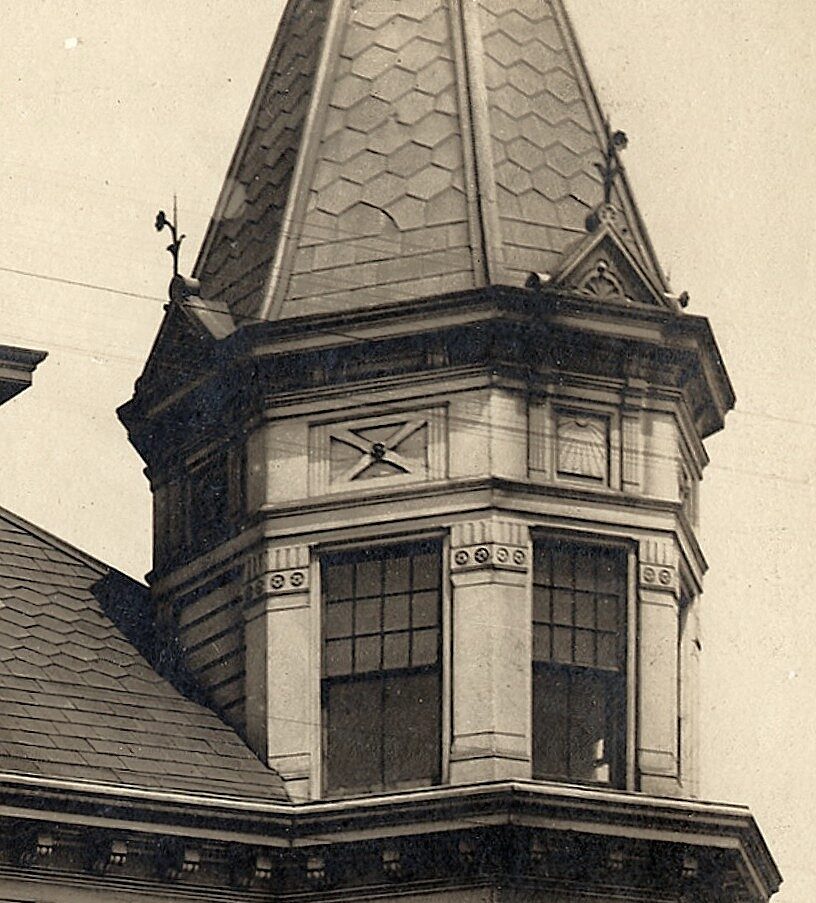
Can you find the broken slate?
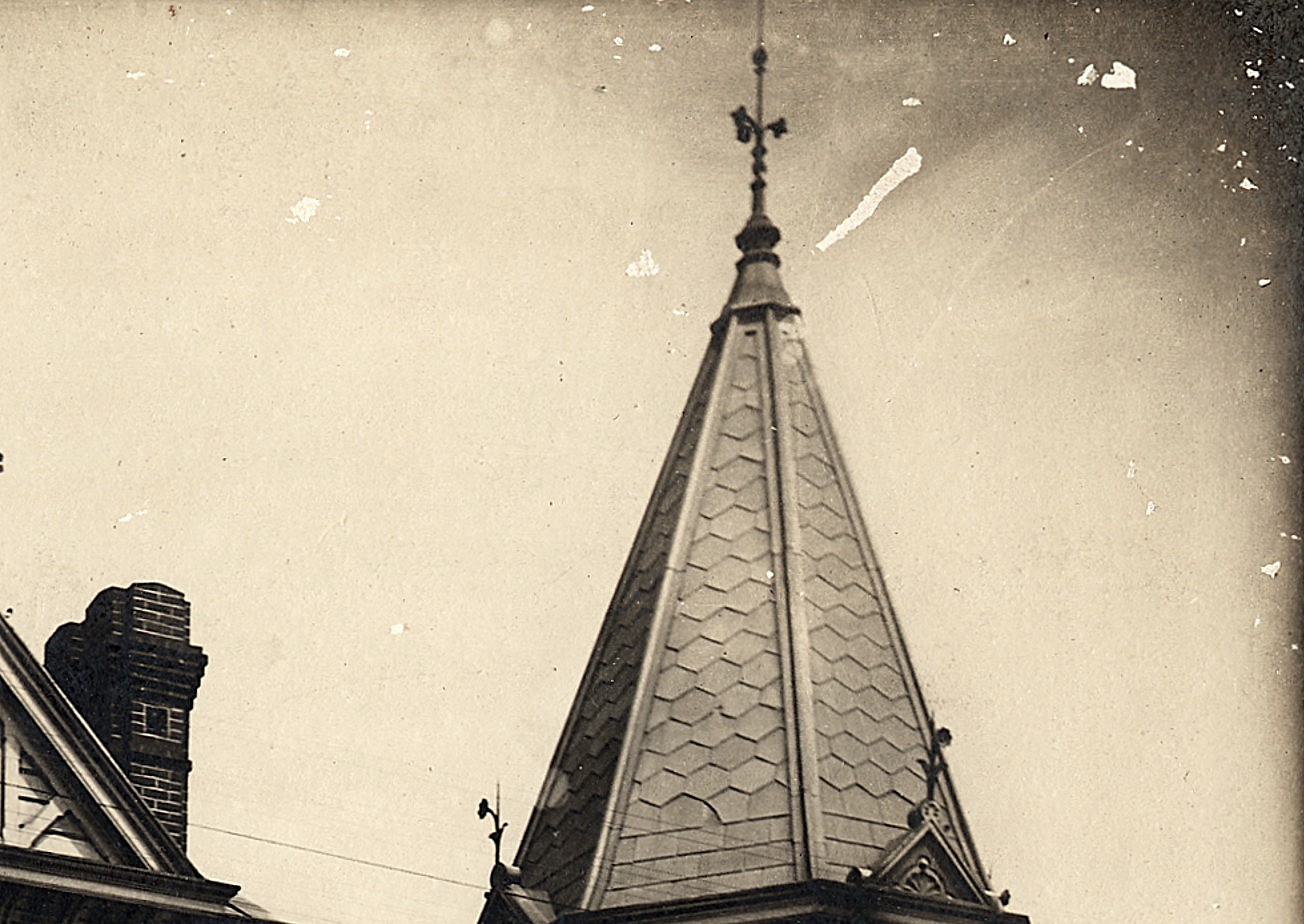
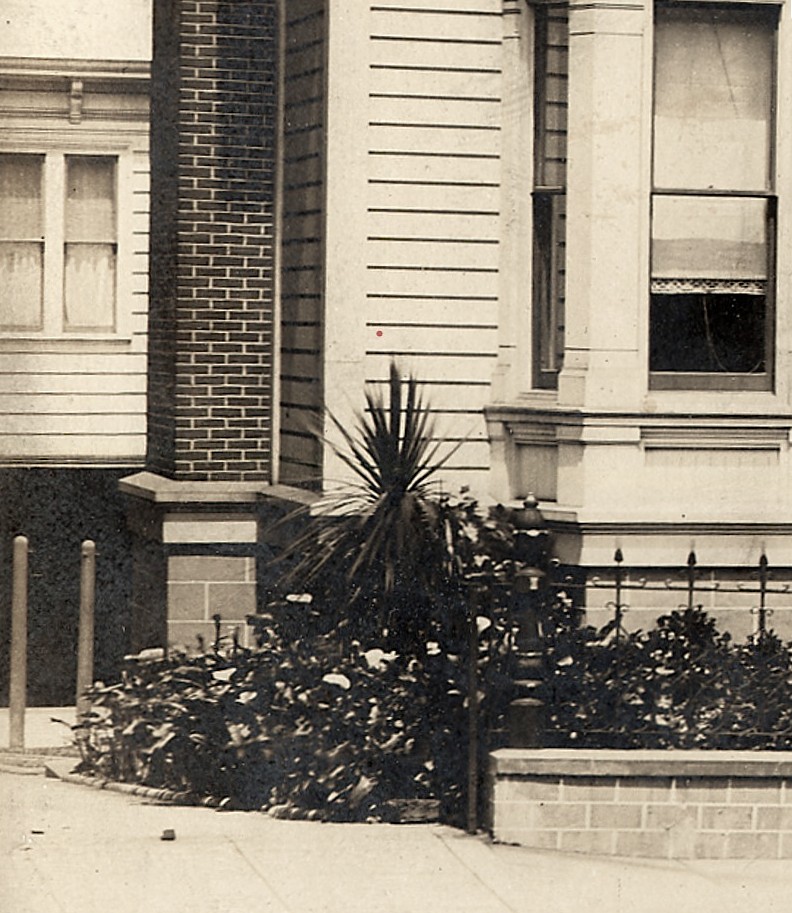
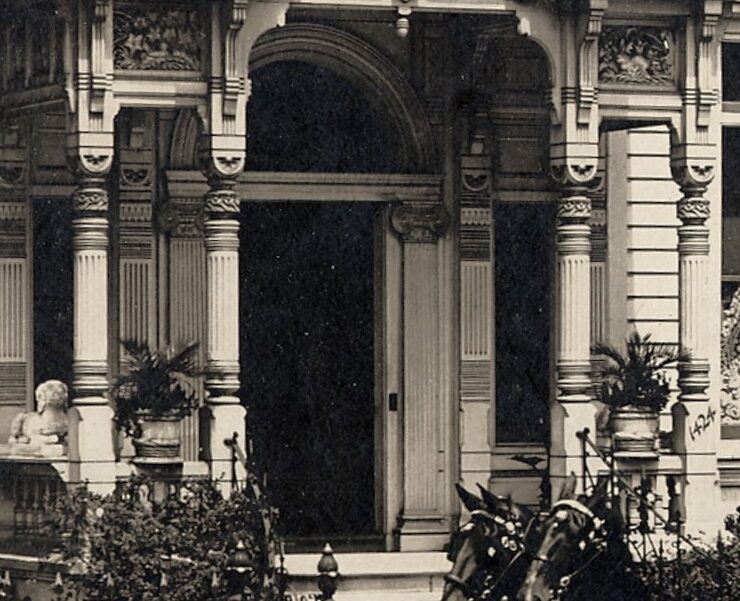
While the house appears to follow a largely monochrome paint scheme, the details on the porch columns and around the door seem to be picked out in a contrasting color. Following a common convention of the period, the window sashes are also finished in a different color from the surrounding trim and body.

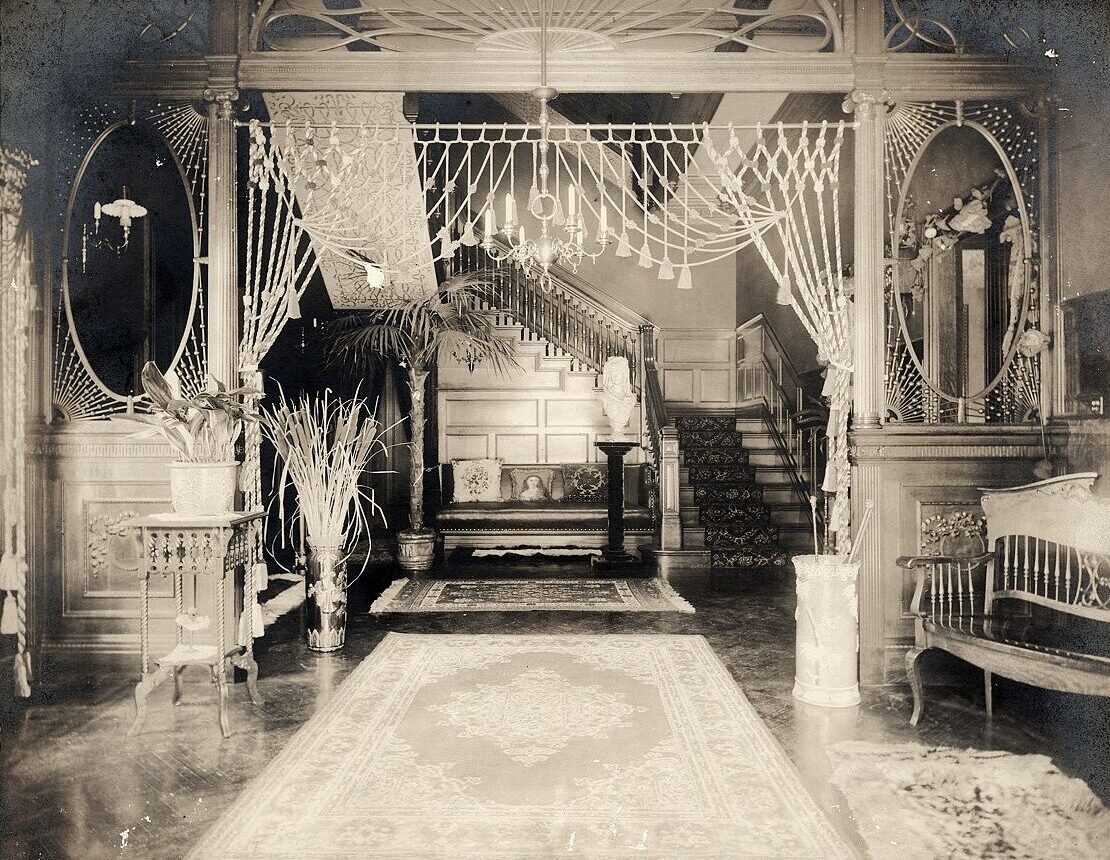
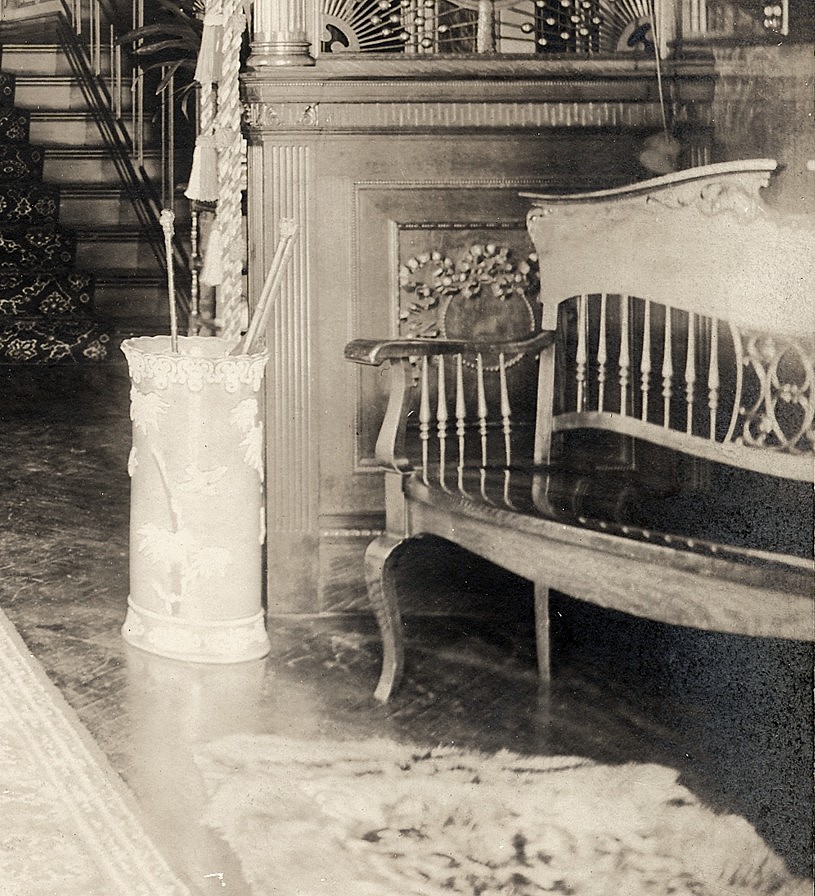
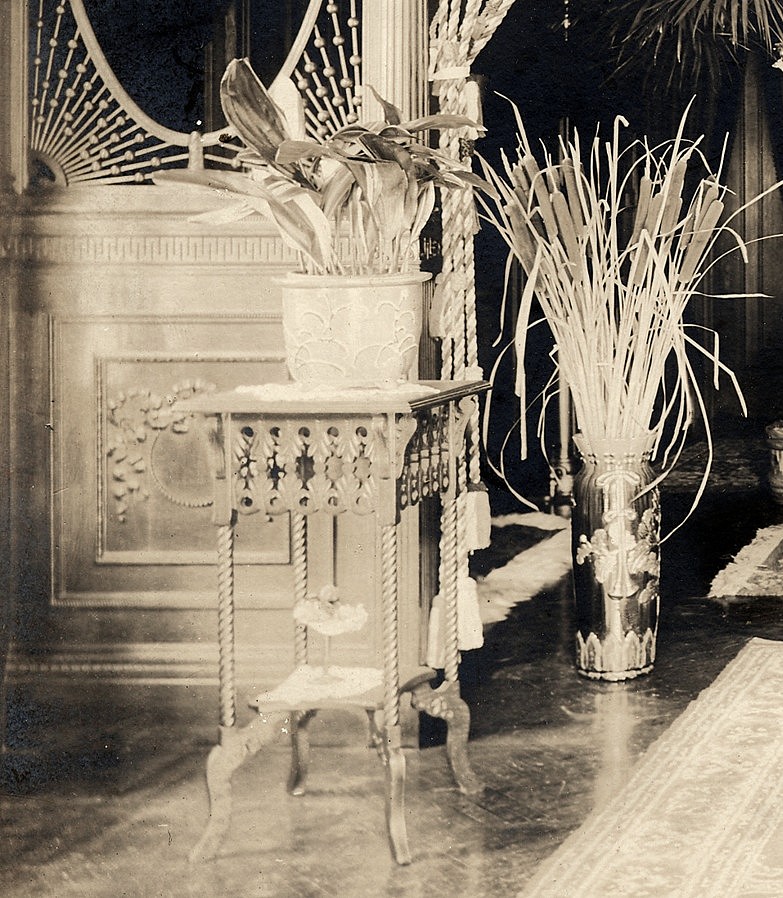
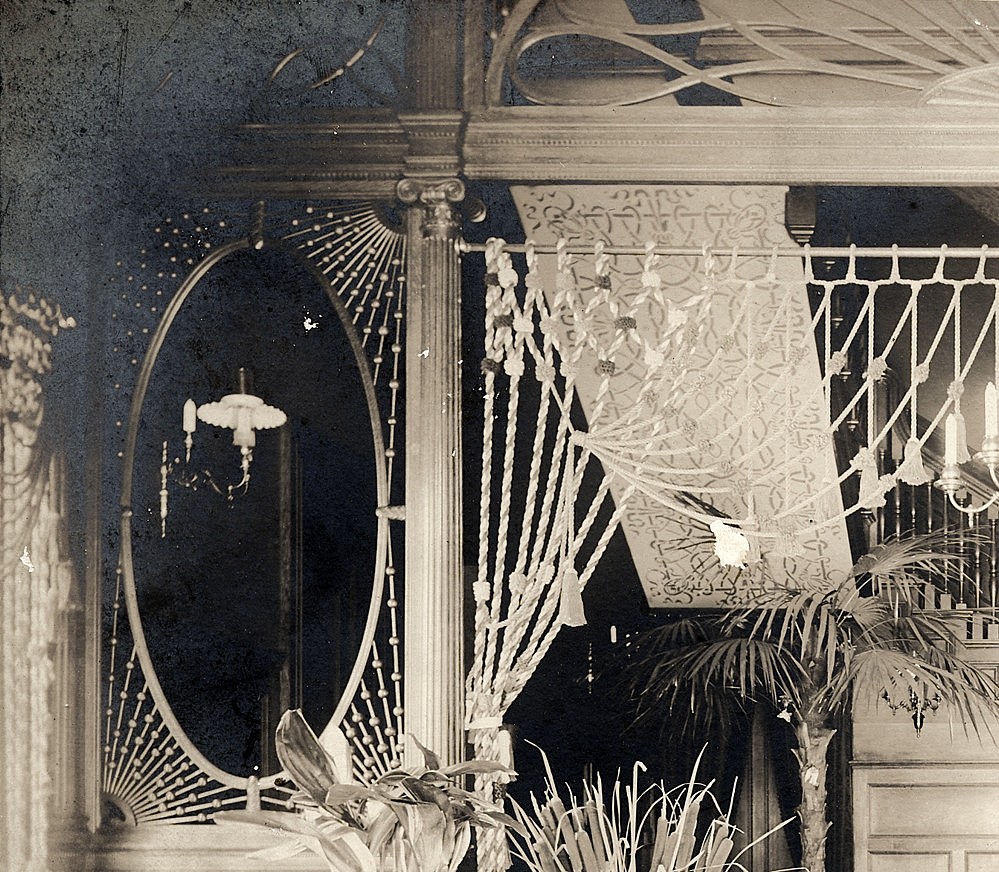
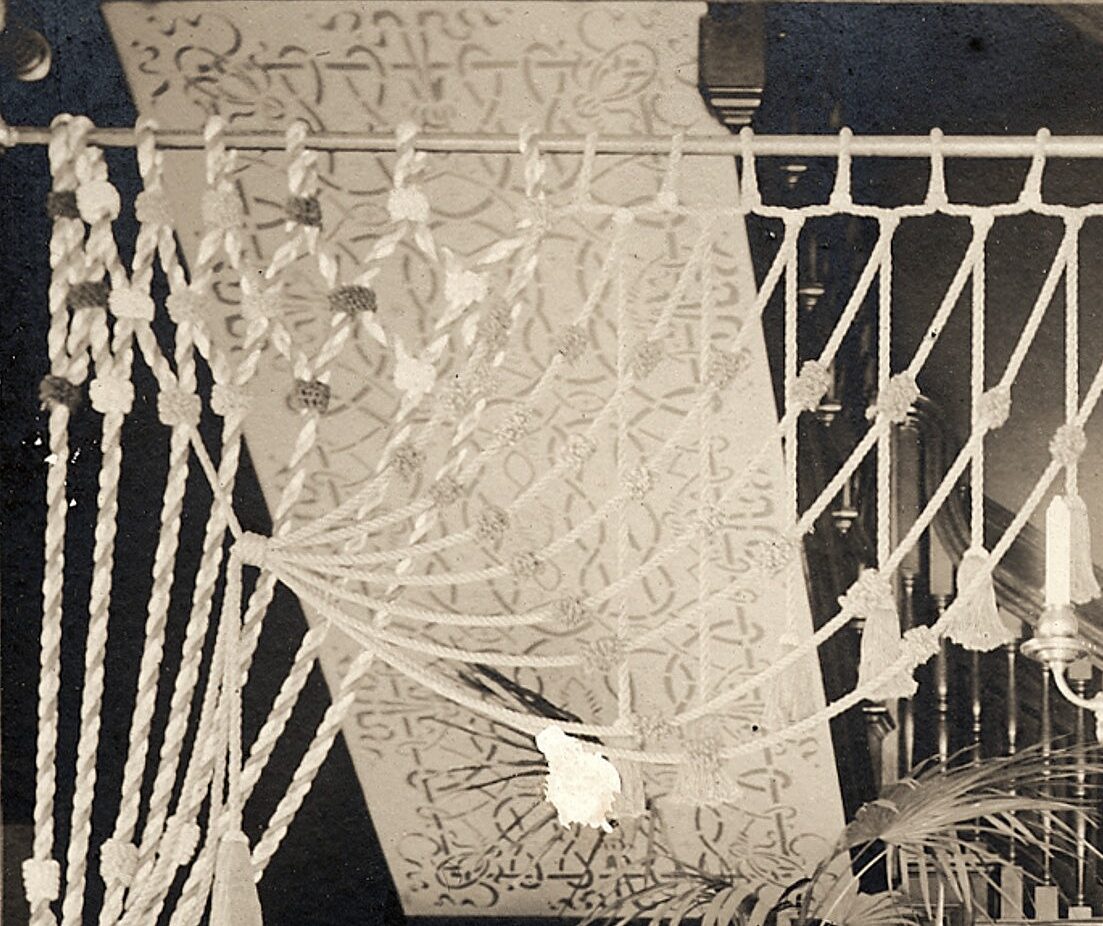
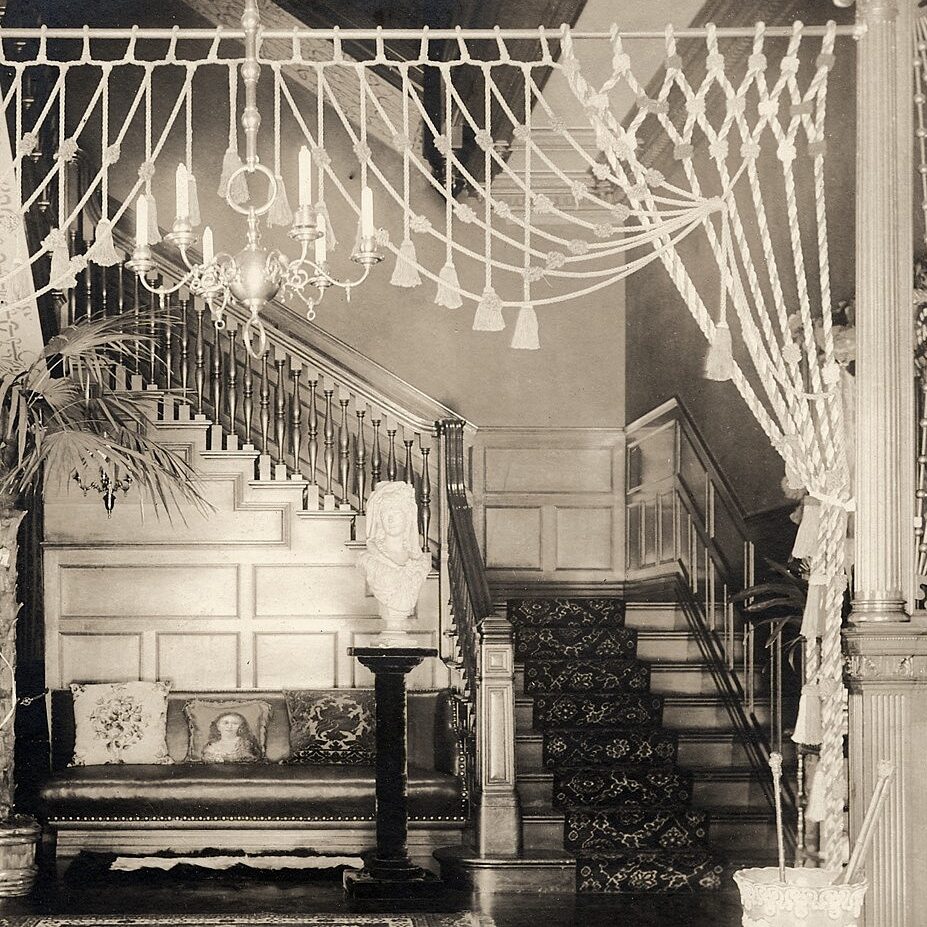
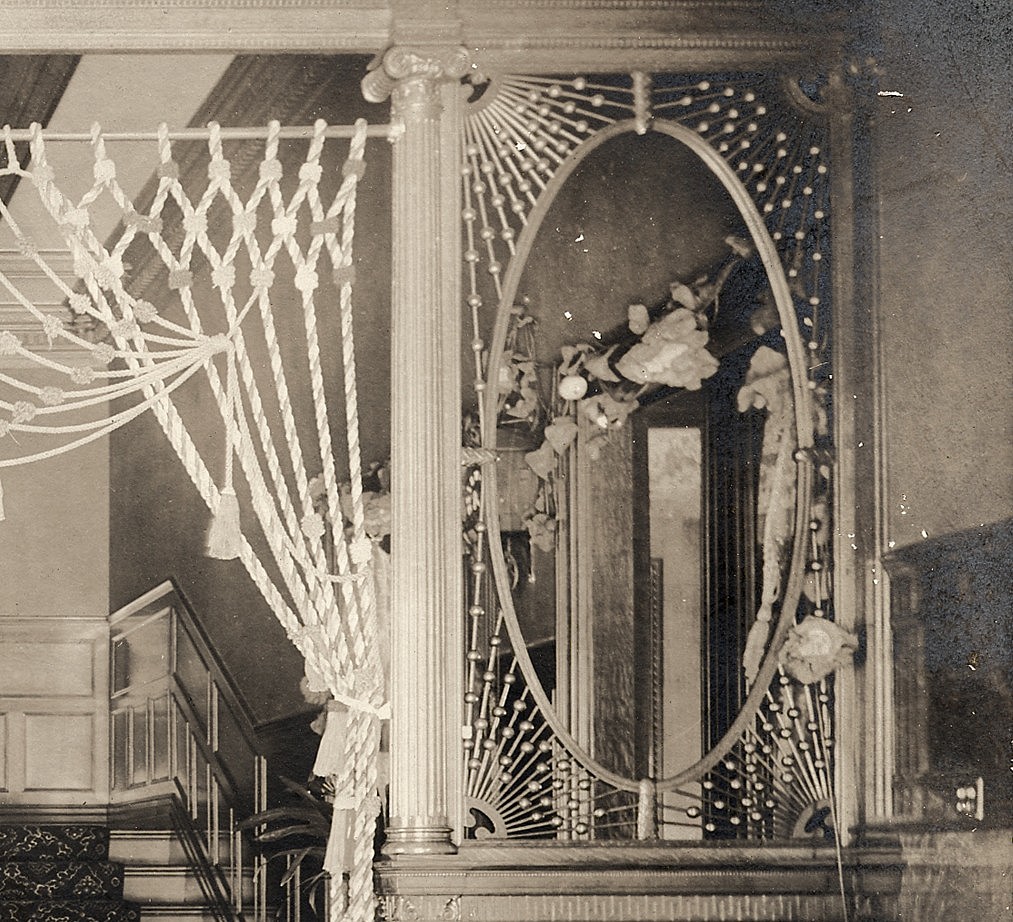
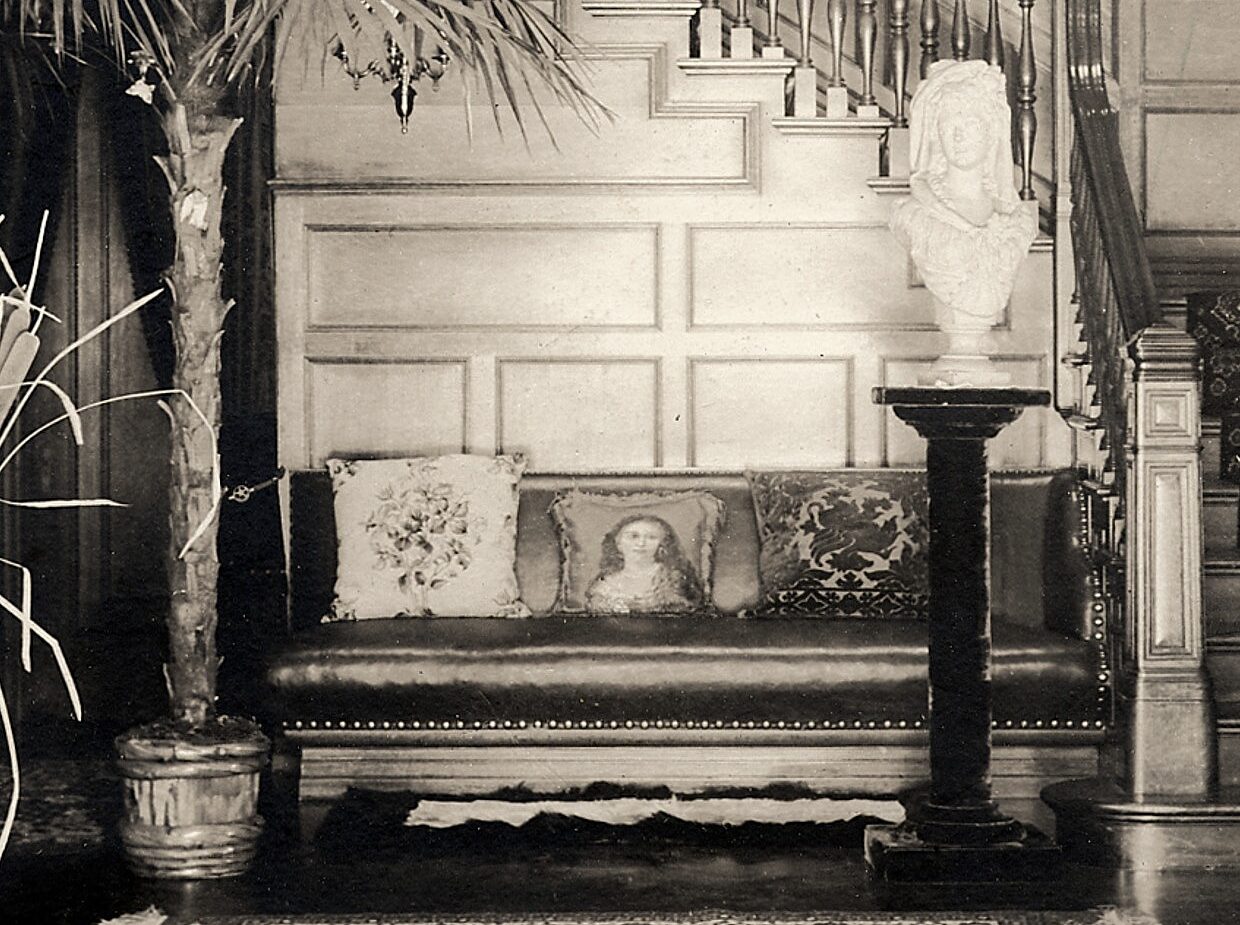
With the owners not at home, we will have to return another time to see more of the house. We’ll be coming back for dinner.





The four articles above are taken from the San Francisco Chronicle (May 8, 1886) and the San Francisco Examiner (July 7, 1892; March 3, 1893; and 1900). Over time, they show that the household was seeking domestic staff—cook wanted, housekeeper wanted, and laundress wanted. It is also interesting to note how language has shifted. The phrase “call between 9 a.m. and 12 p.m.” would today suggest a telephone call, but at the time it referred to a physical visit, typically accompanied by a calling card.
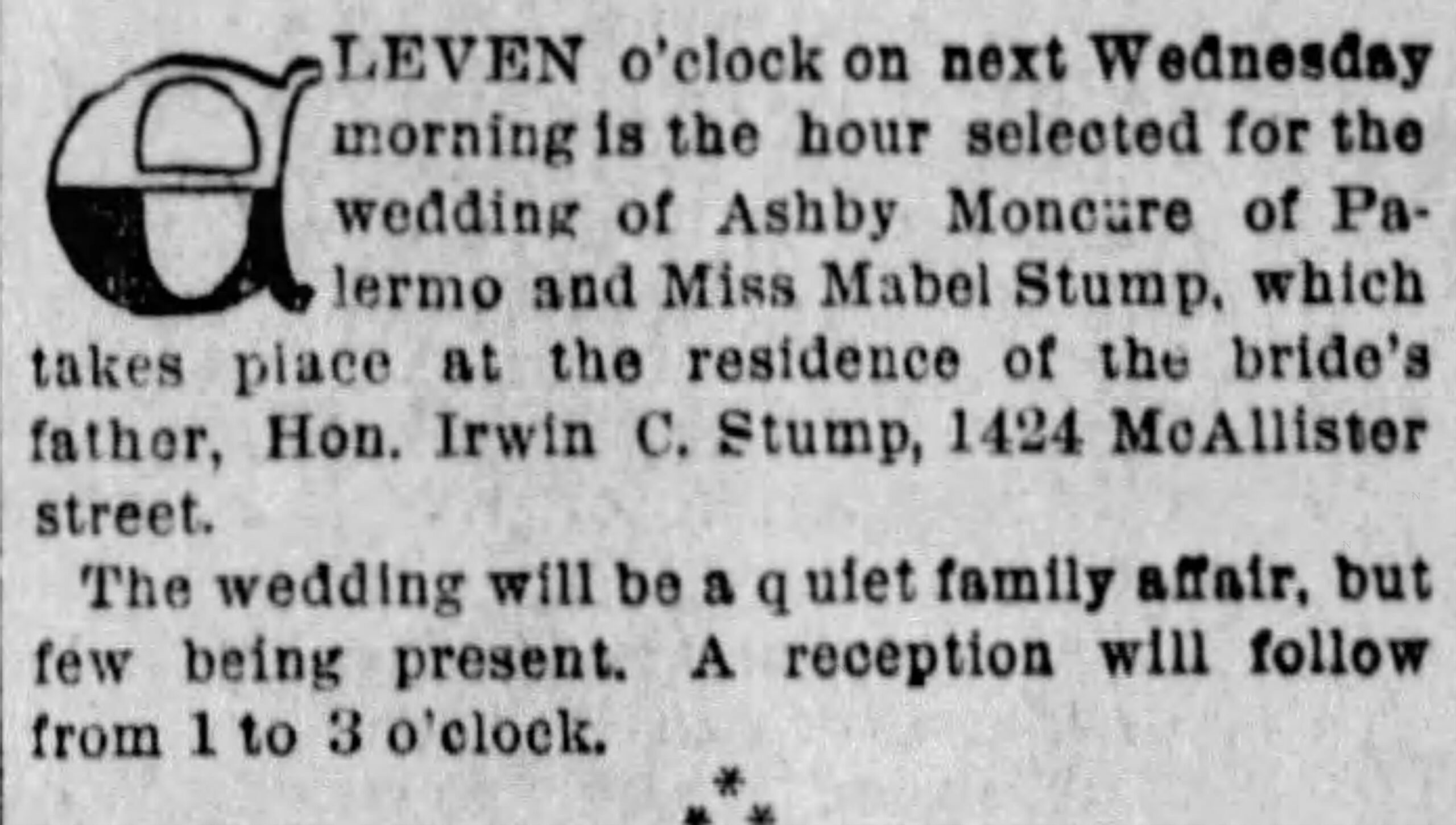
This article offers a glimpse into one of the several individuals associated with this home. It is taken from the San Francisco Examiner in 1894.
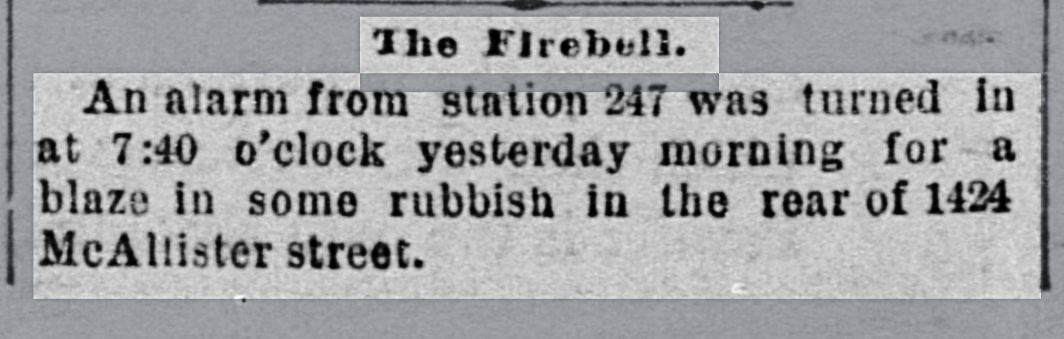
Fires occurred all too frequently during the 19th century, but it is always interesting to see even small incidents like this recorded.
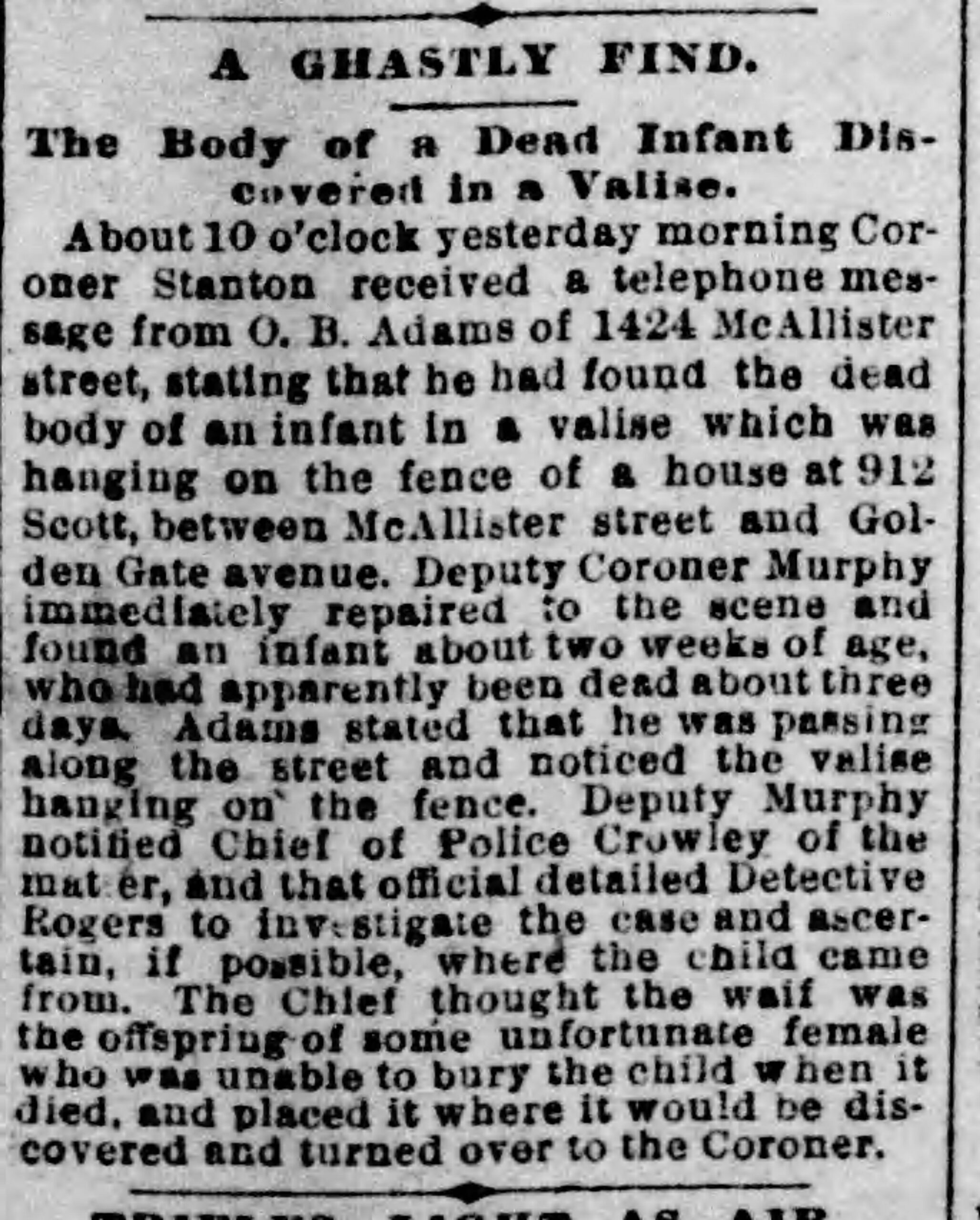
While the infant was not found at the house itself, the discovery was made by the homeowner.
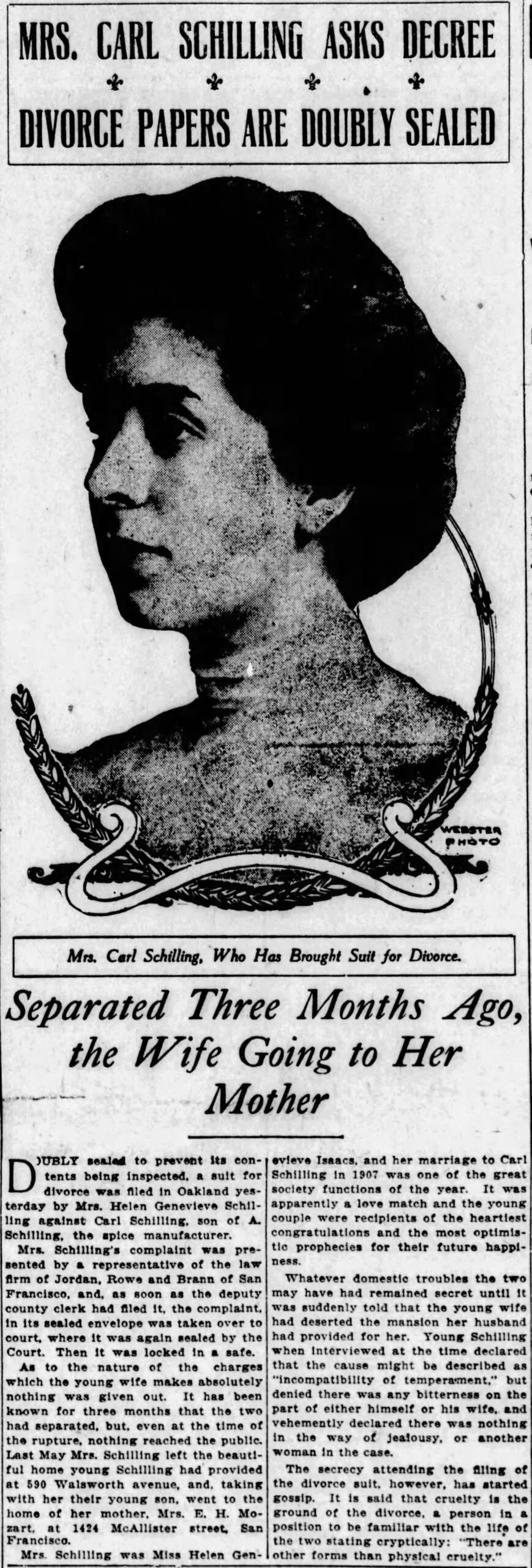
The name Shilling set this research in motion, so we close this chapter with an interesting account tied to that name for those who wish to explore further.
Next time we'll visit the Reception Room and Dining Room.