I. Almy, Bigelow & Washburn Shopping
9/26/25
20 Comments
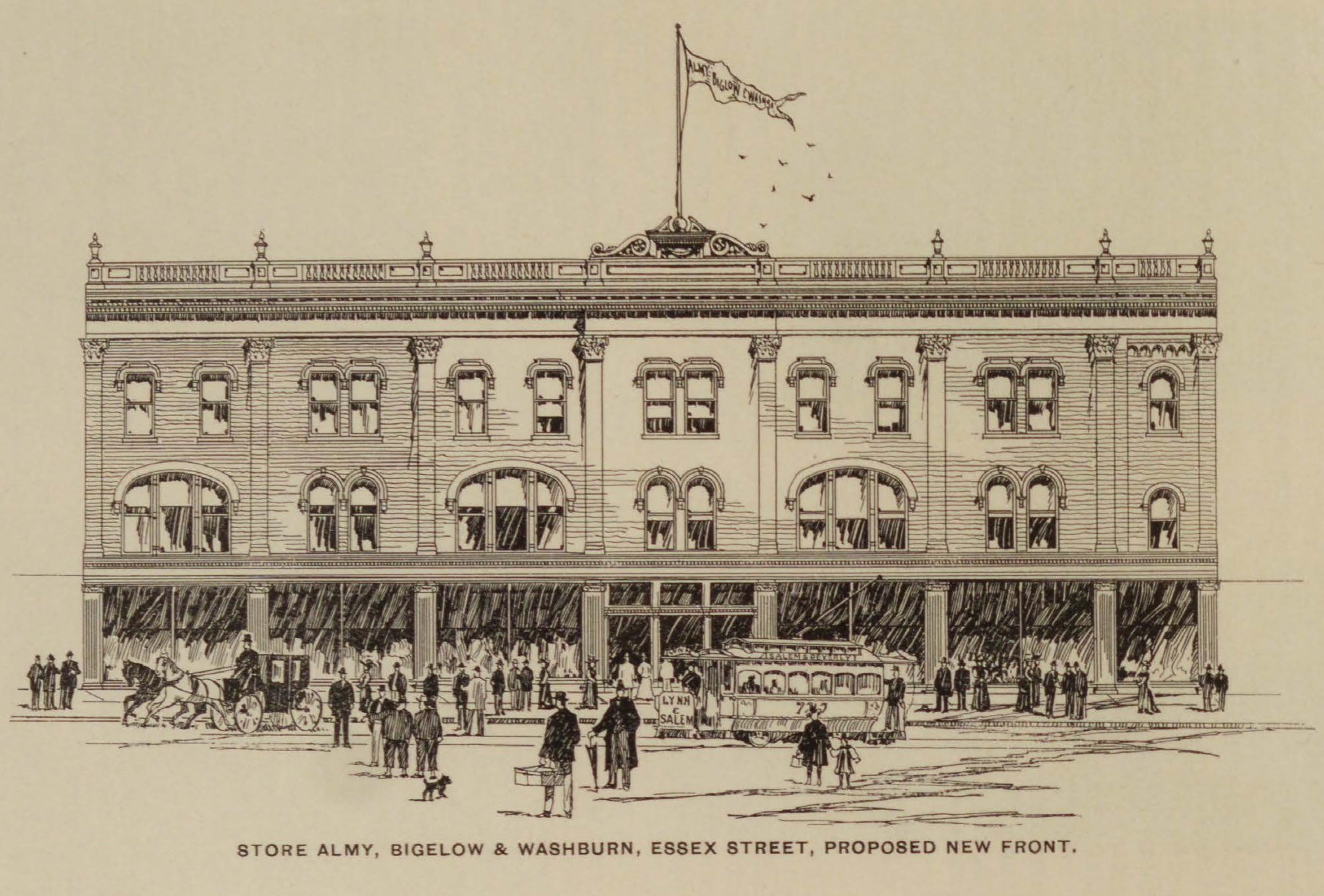
To this day, many people are surprised that in the latter half of the 19th century, shopping in stores became increasingly popular, with a wealth of goods available. In many respects, the late 19th century marked the beginning of the life we live today: the middle class was booming, indoor plumbing was gaining traction, larger homes were becoming affordable for the middle class, and buying items for the home—along with catalog orders—was gaining ground.
While this article isn’t about homes, it is a photo study of the interior of the store that furnished them—how it looked, and the interior design that inspired people.
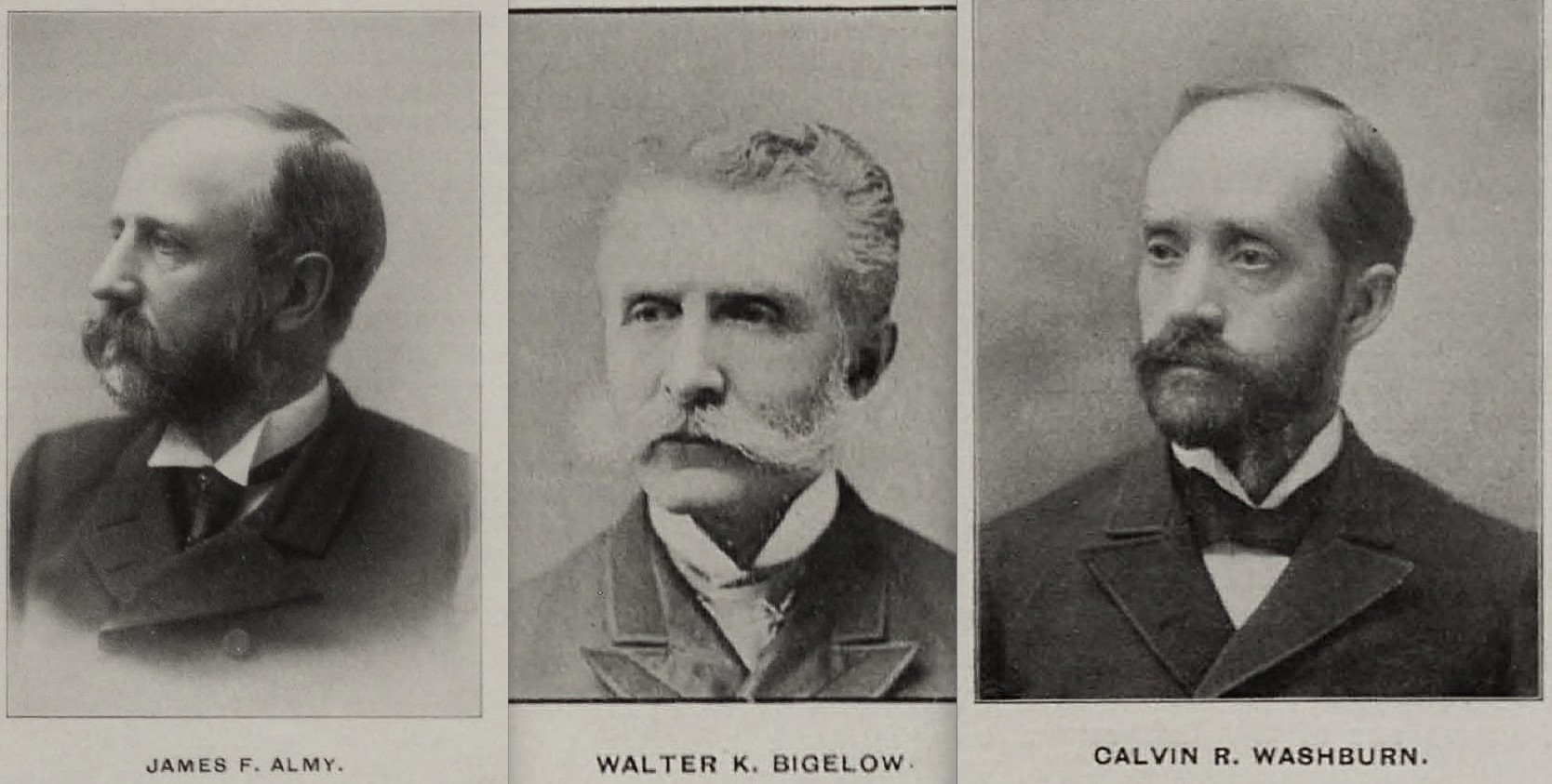
At the 50th anniversary in 1908, a commemorative pamphlet was published. This pamphlet can be found here.
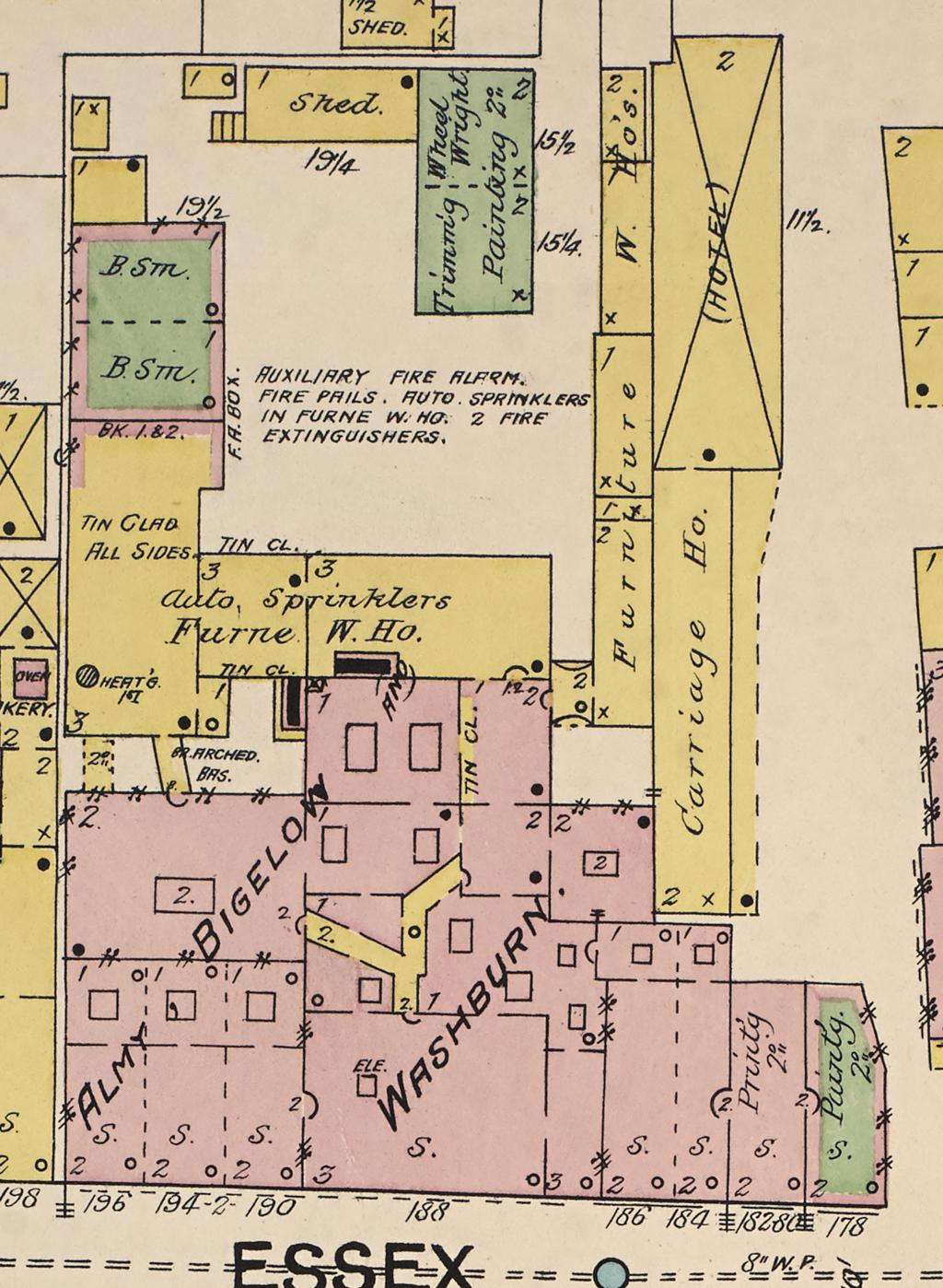
This map provides a clear view of the building’s large footprint—even before it was expanded to the left. Notice the drawing also notes skylights, and an elevator. We’ll see both of those.

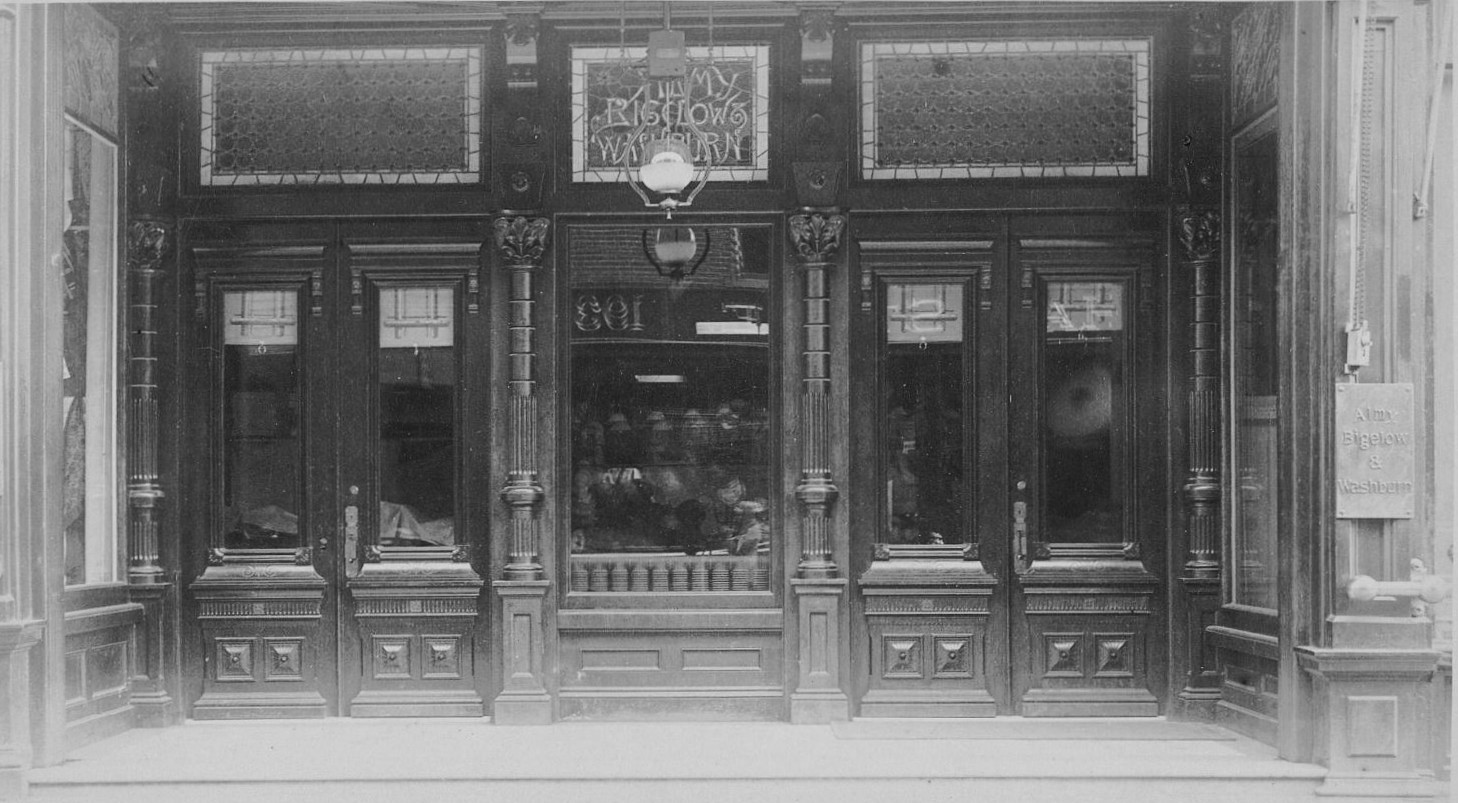
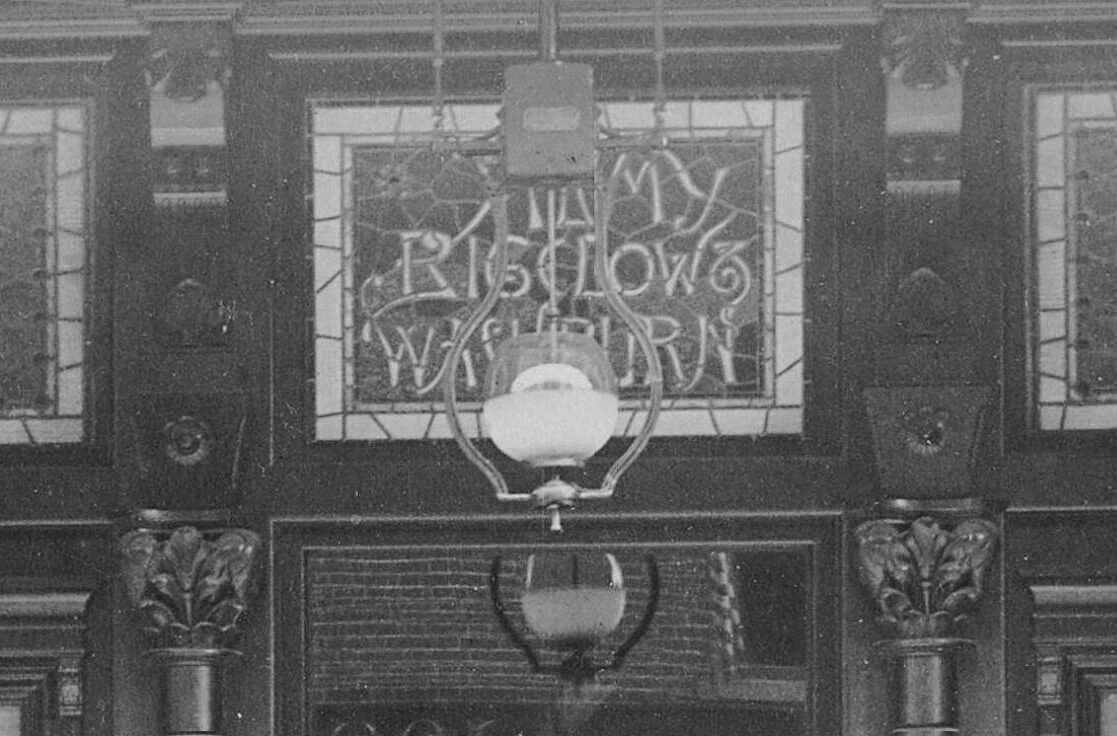
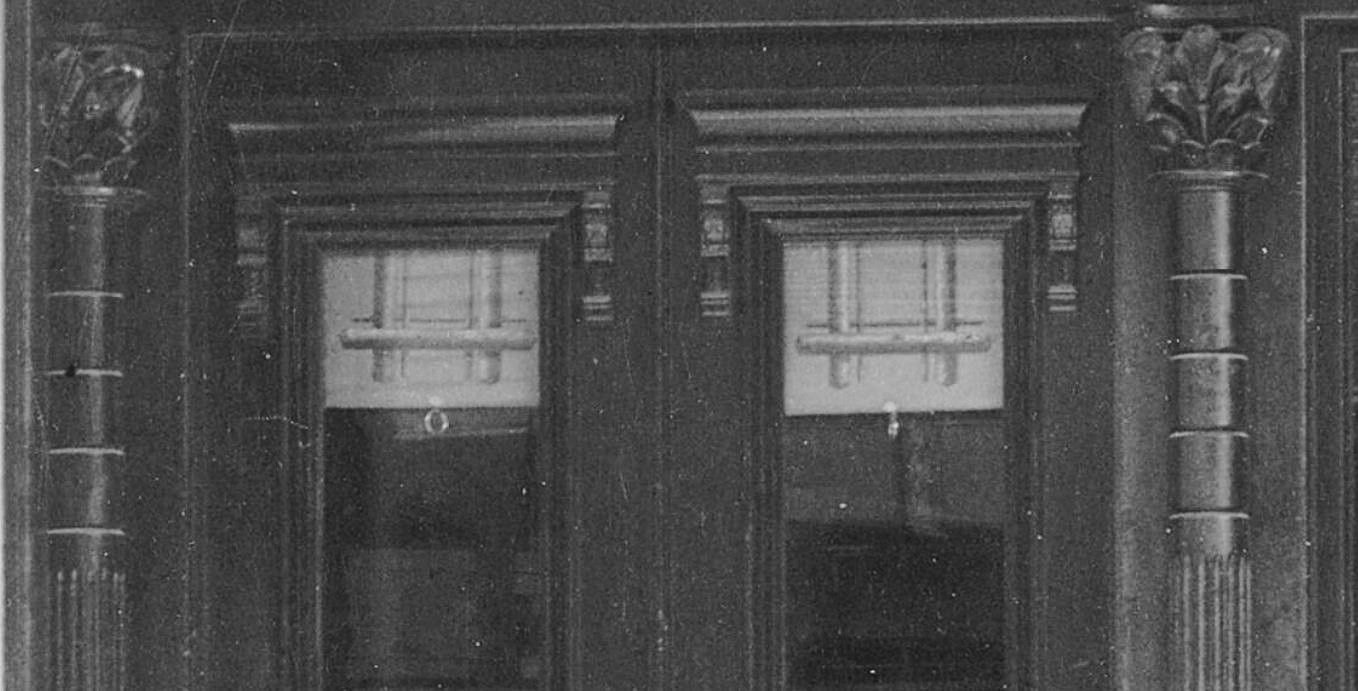
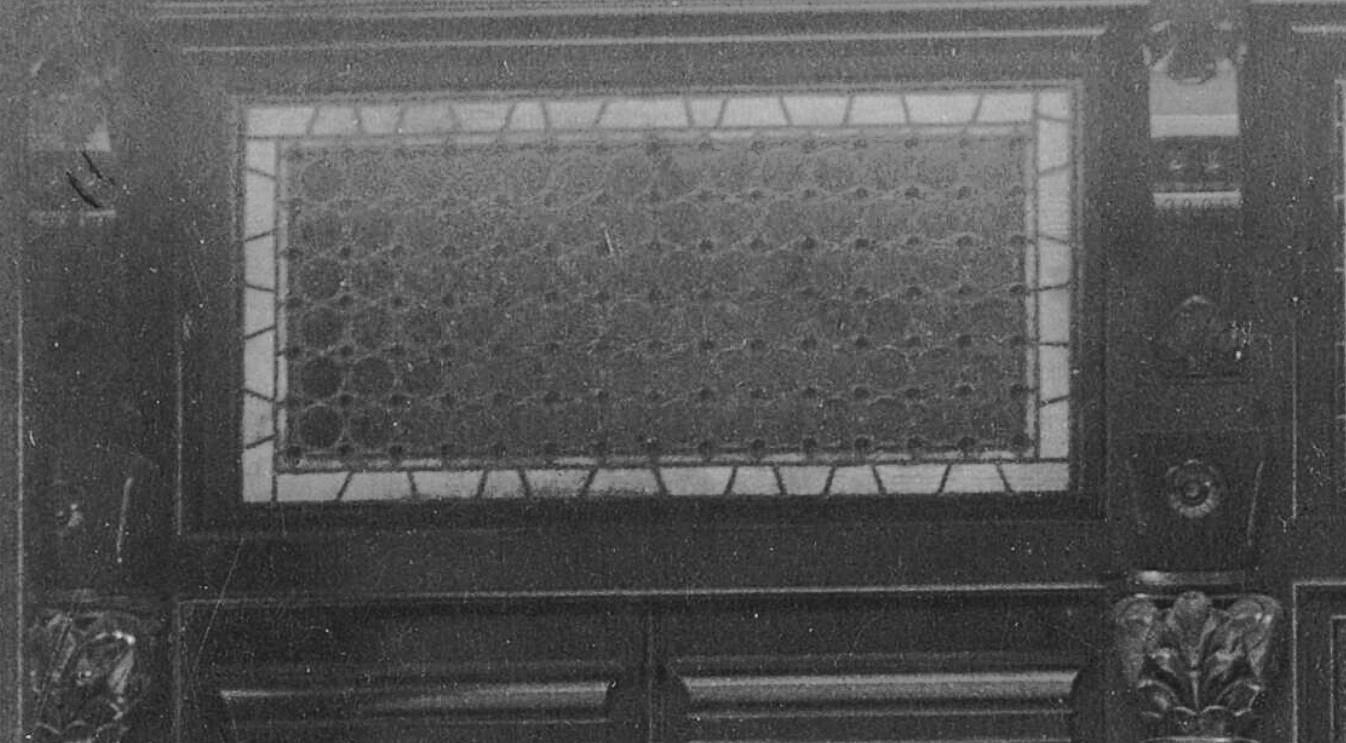
The entry, identified on the photo as a vestibule, echoed the domestic stylistic choices of the era. In this photo, you can see large plate-glass windows, carved wood details, gas lighting, and stained-glass transoms above.
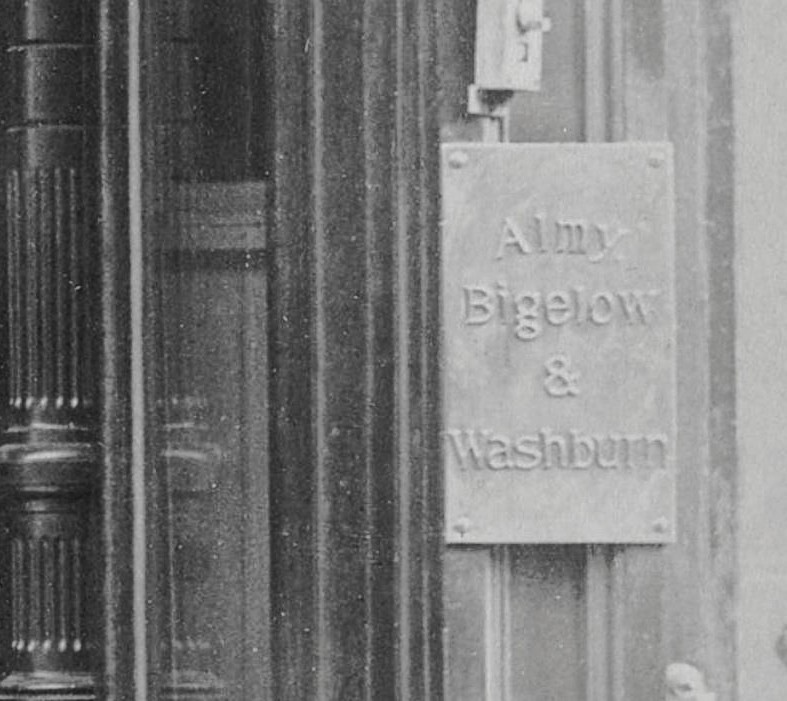

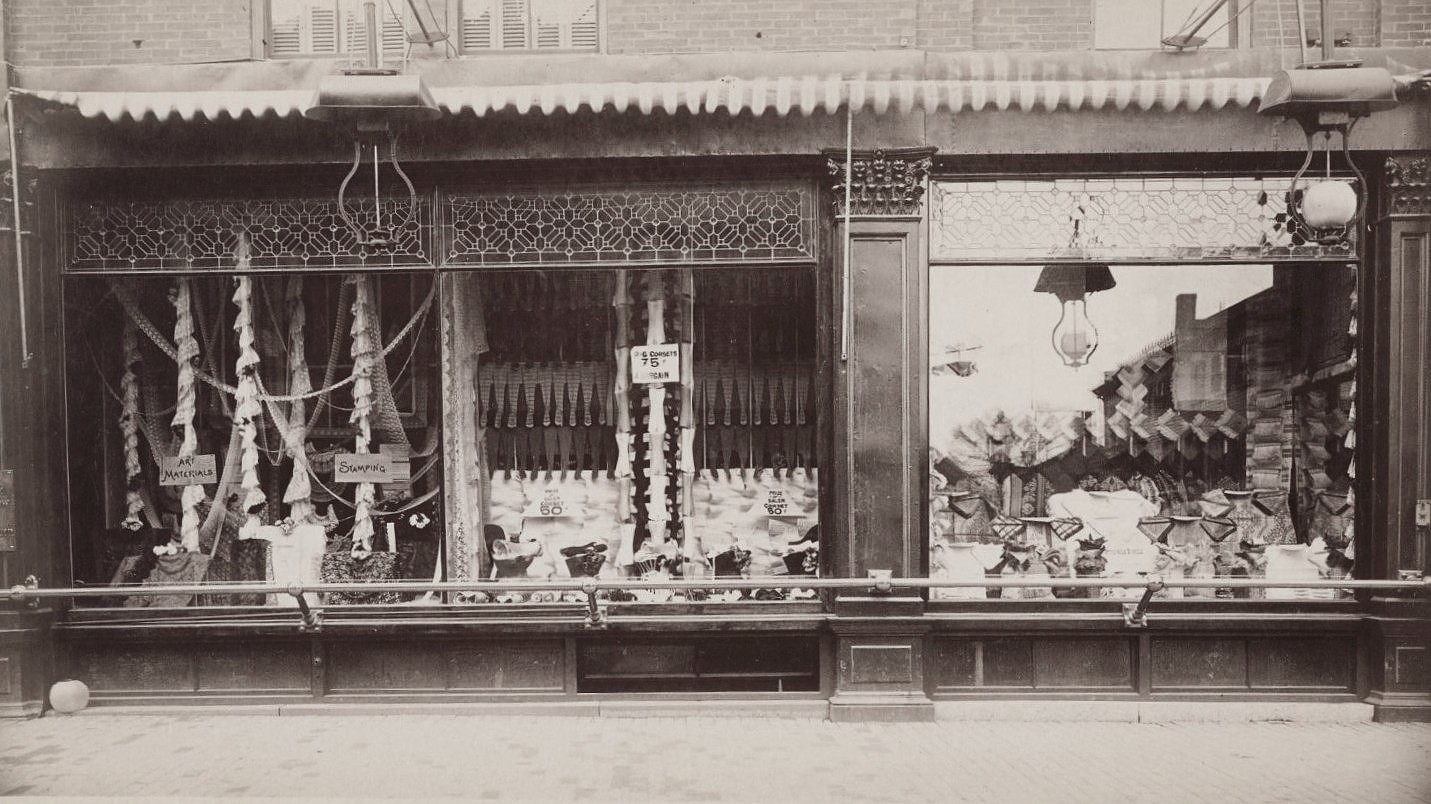

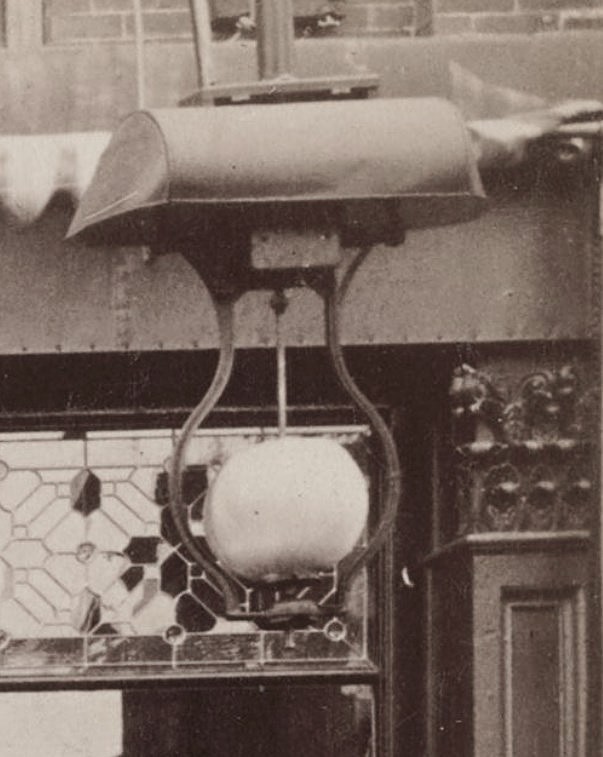
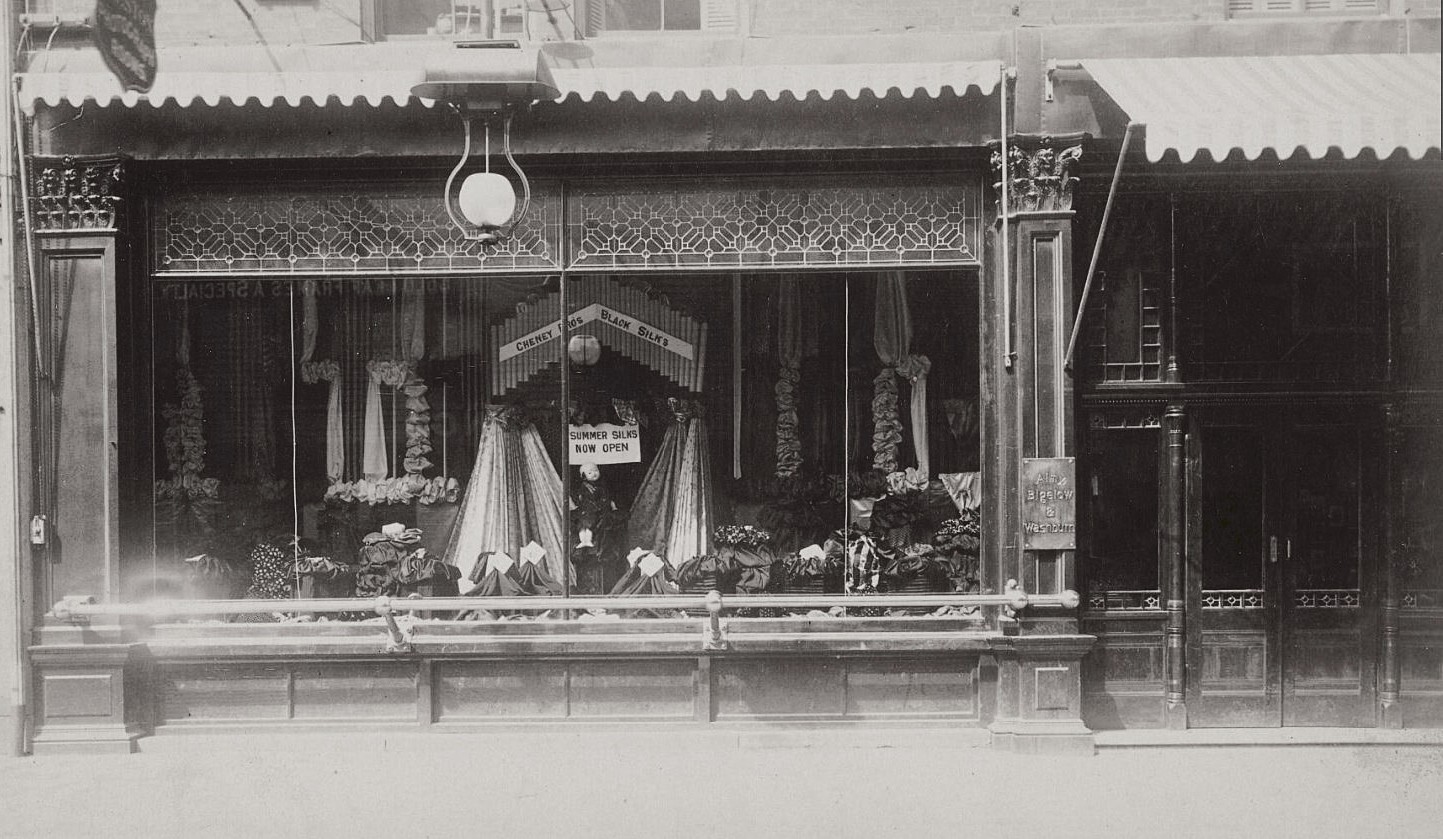

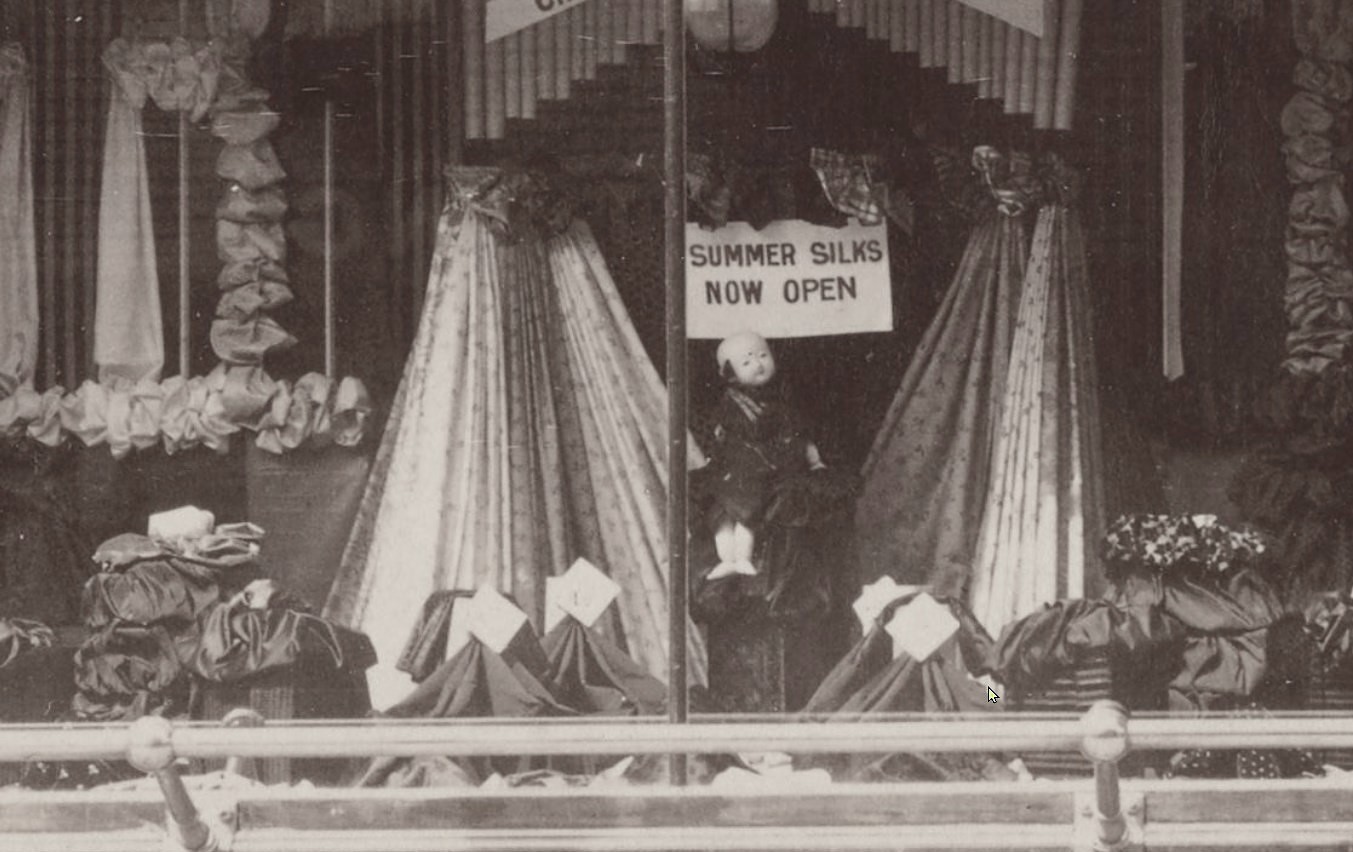
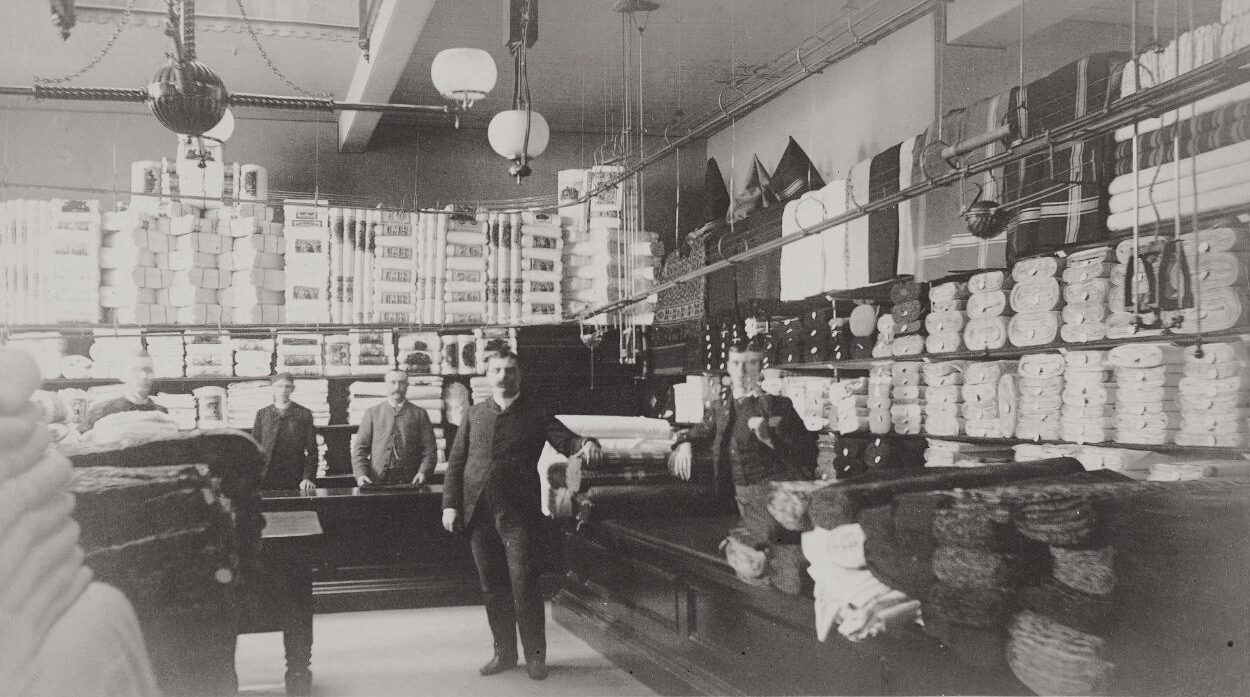
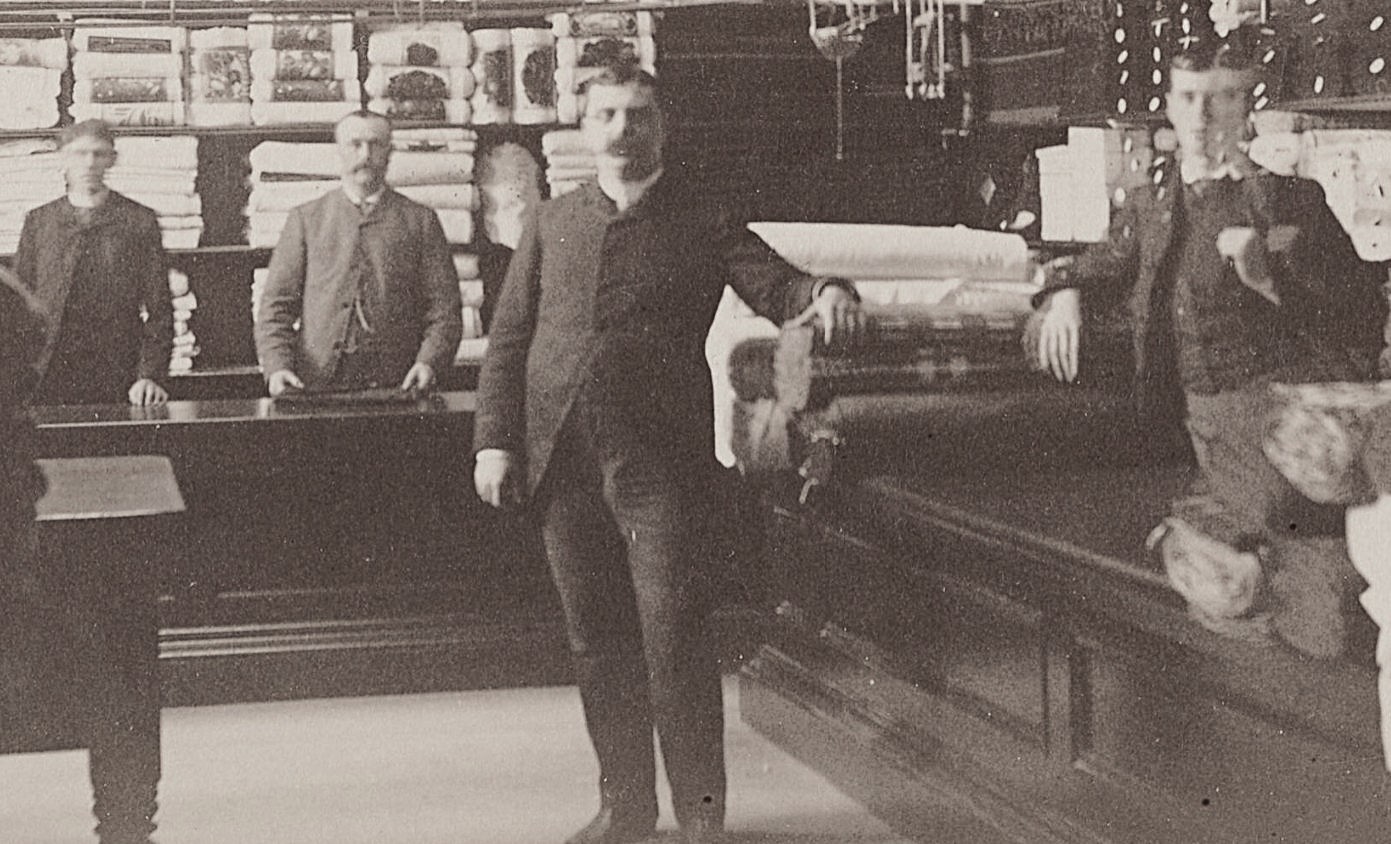
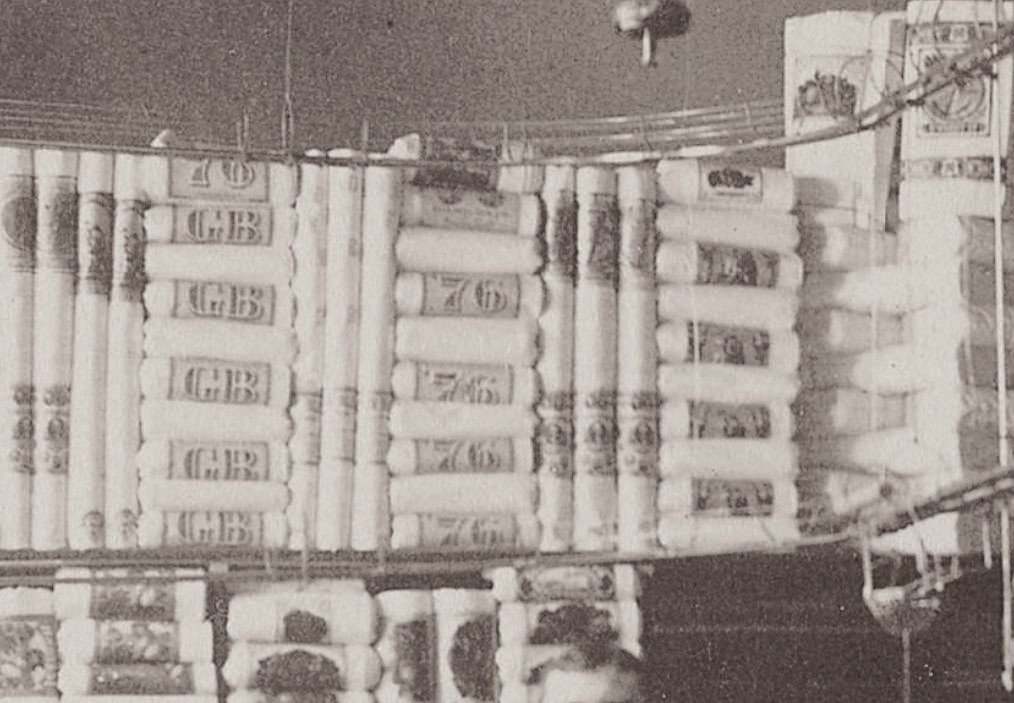
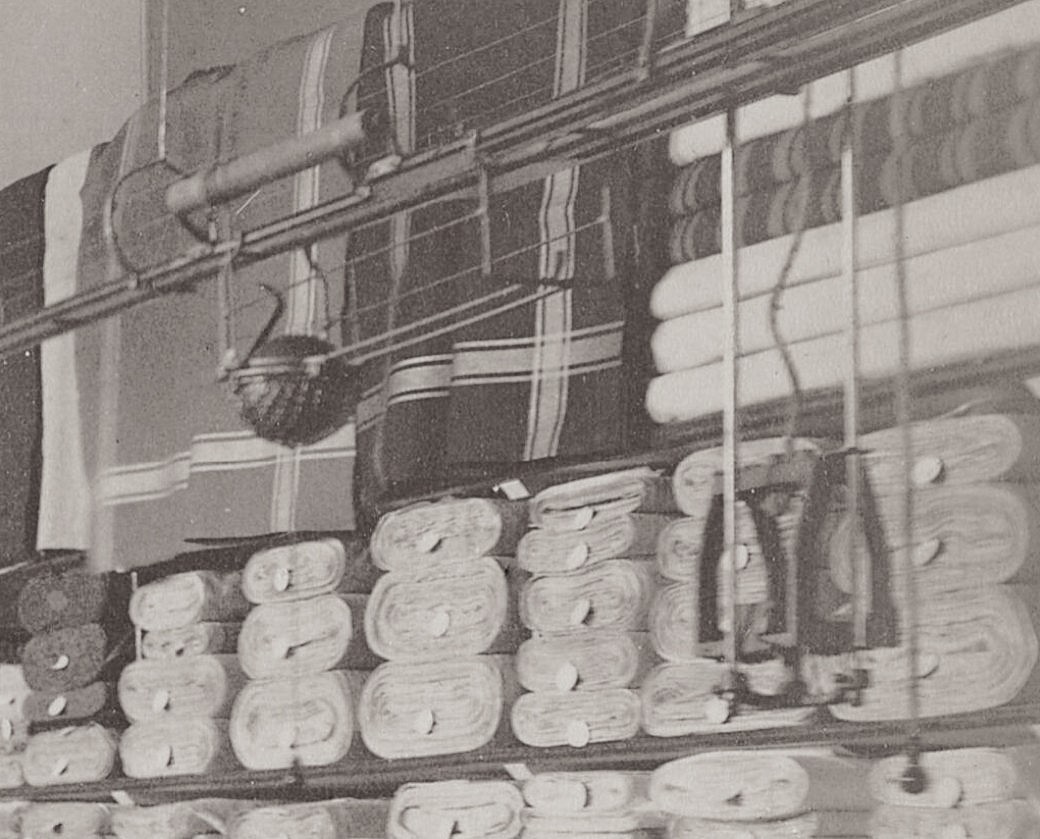
Now let’s go inside. Today, we only have time to visit the Handkerchief and Linen Departments, and then rest in the Parlor.

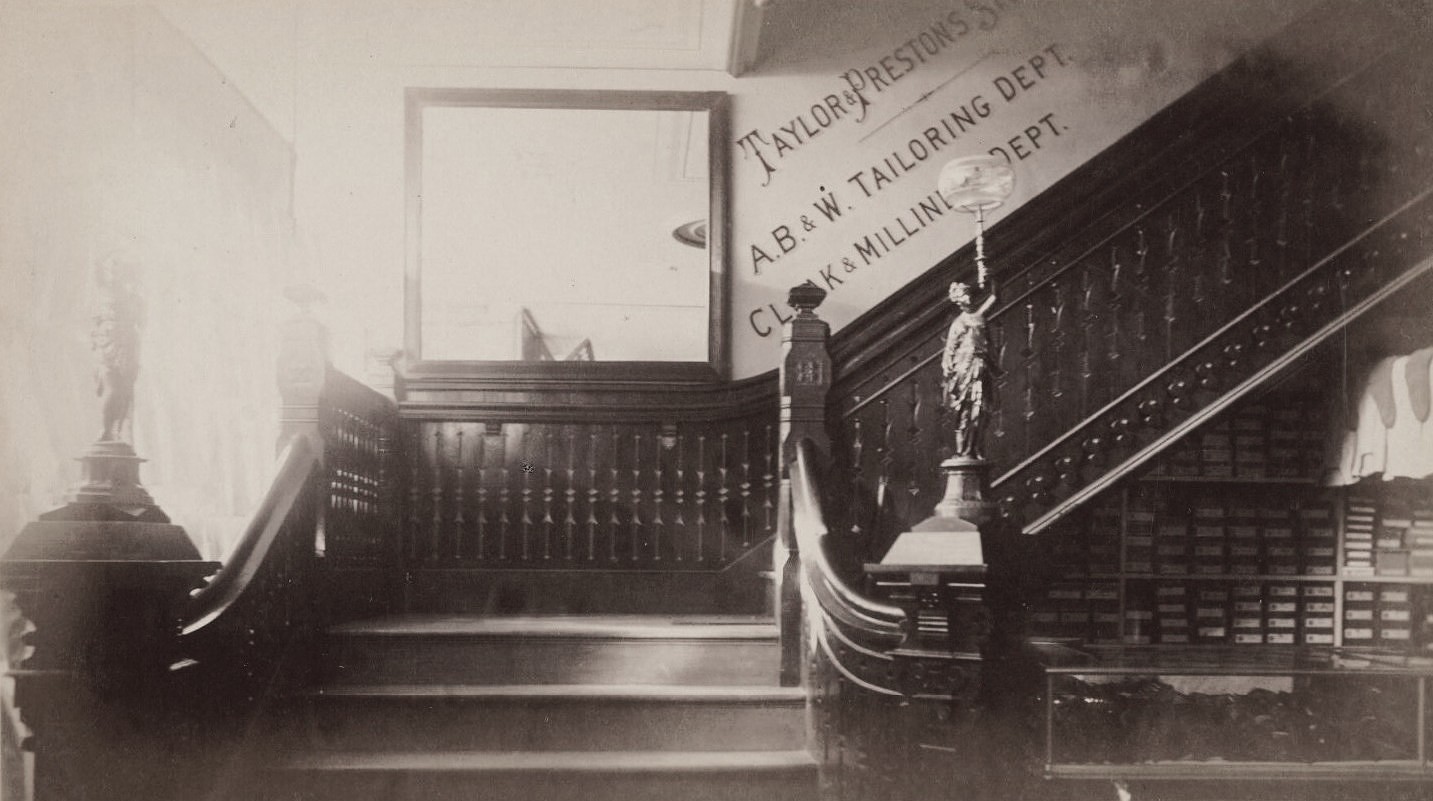
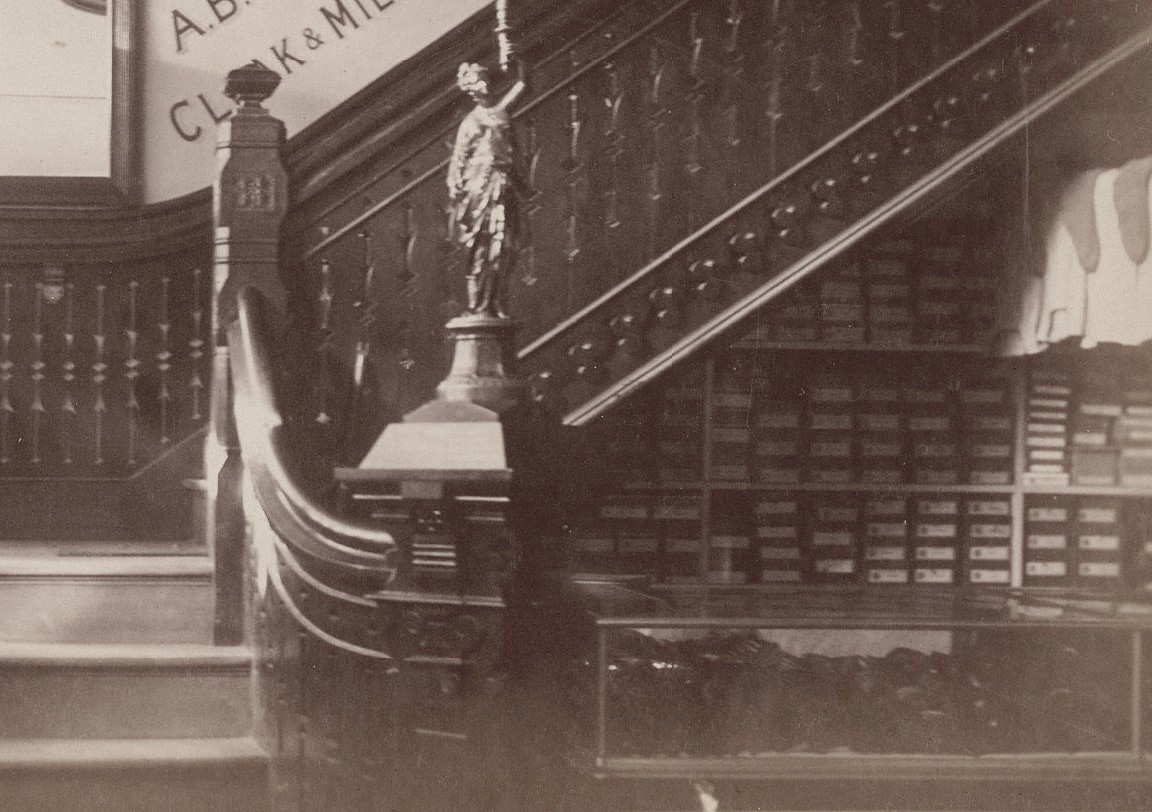

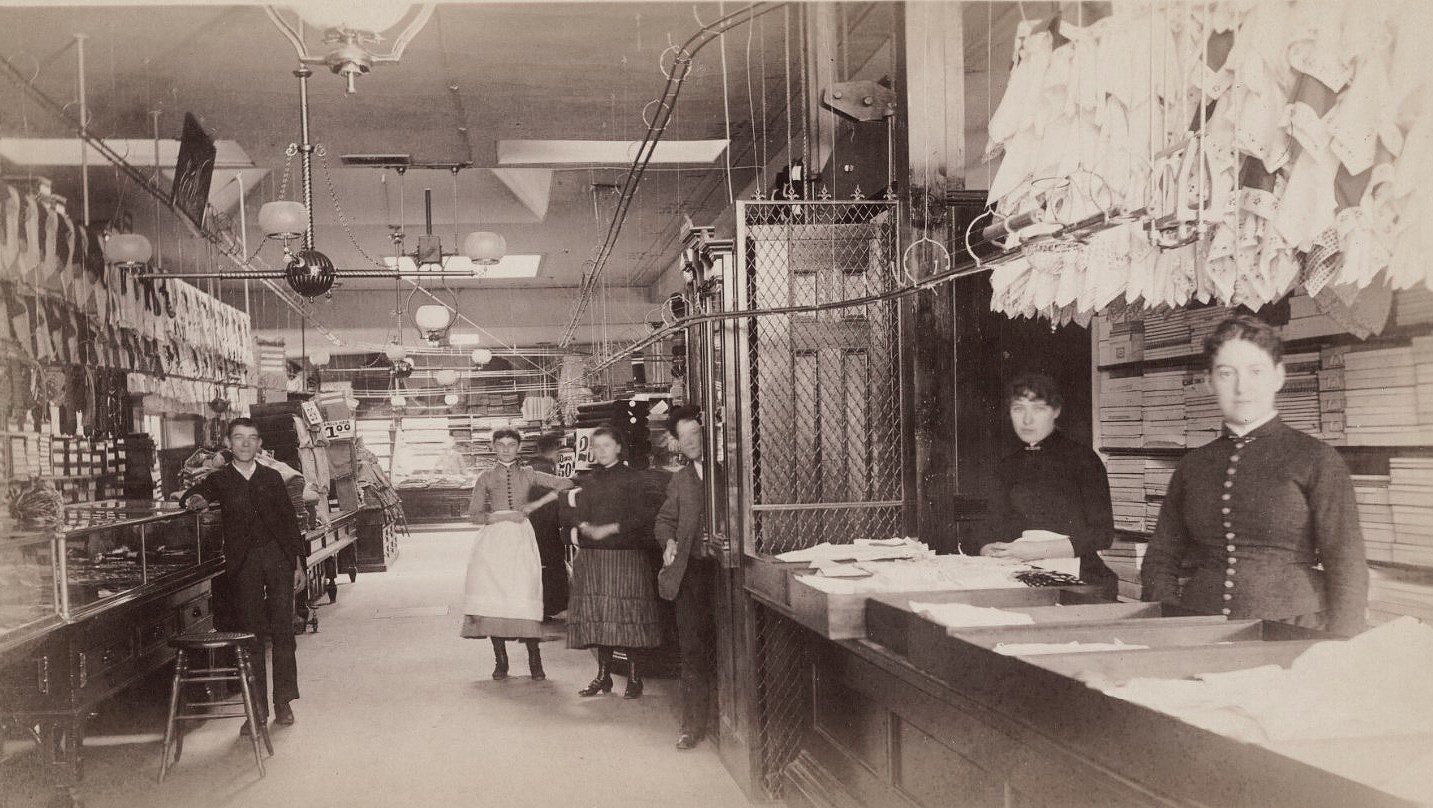
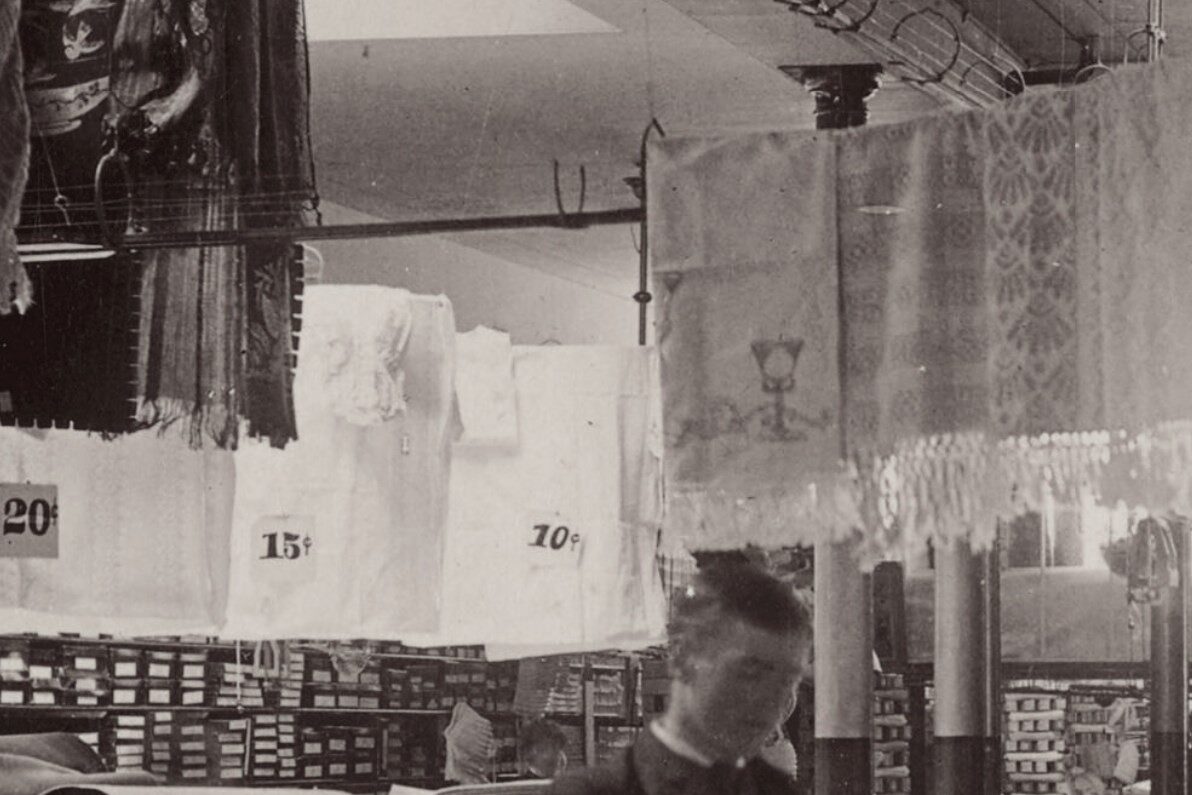
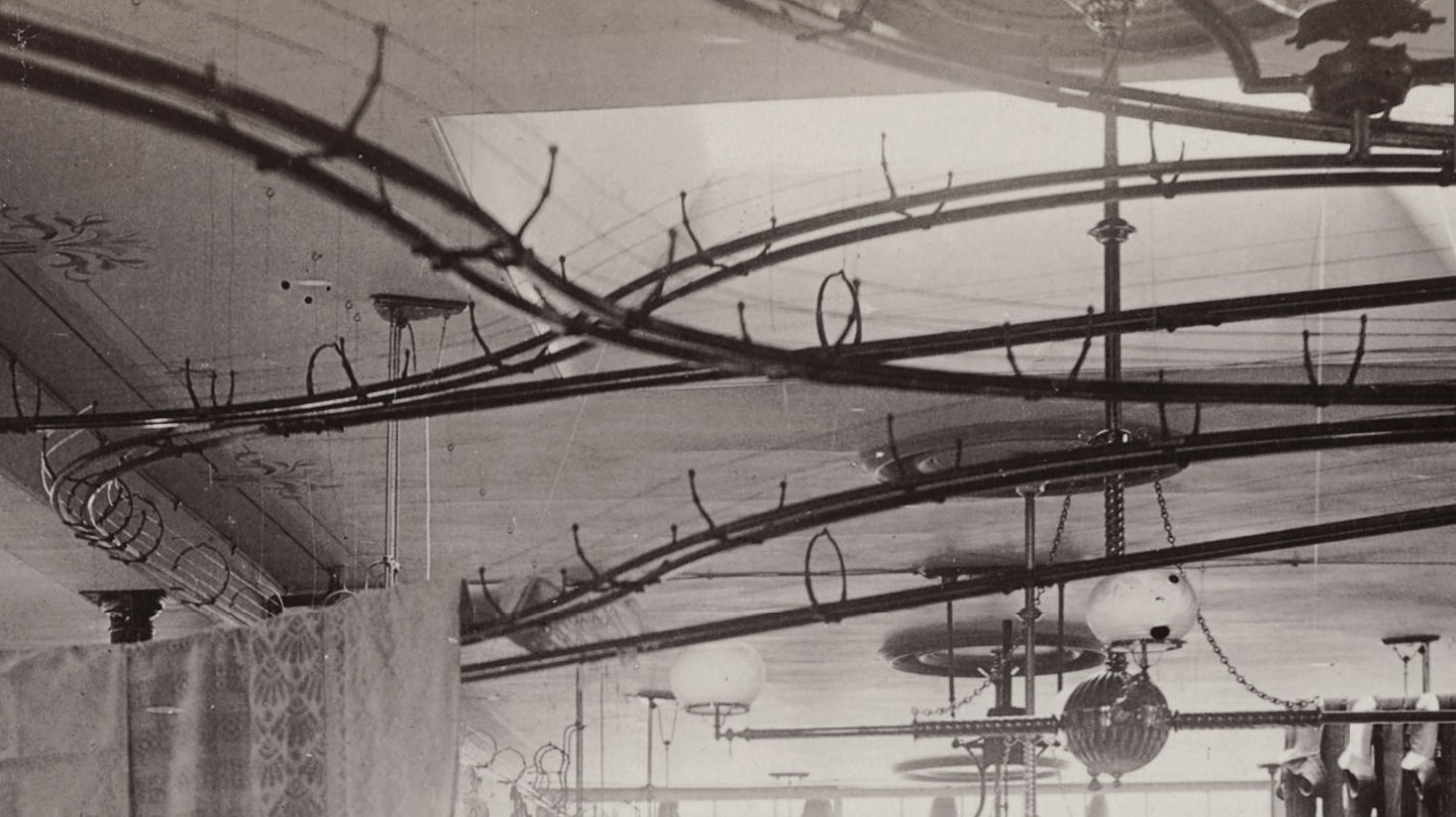
Even more fascinating in this photo are those visible “tracks.” These were the store’s overhead cash-carrier (“cash railway”)—wires/rails that whisked a small cup or trolley containing the clerk’s sales slip and the customer’s cash to a central cashier, who counted change and sent it back. These systems (pioneered and mass-marketed by Lamson in the 1880s) came in variants like the Ball, Level Wire, and later Rapid Wire carriers; larger stores later added pneumatic tubes. They reduced pilfering, centralized bookkeeping, and sped transactions—very different from how we pay today.
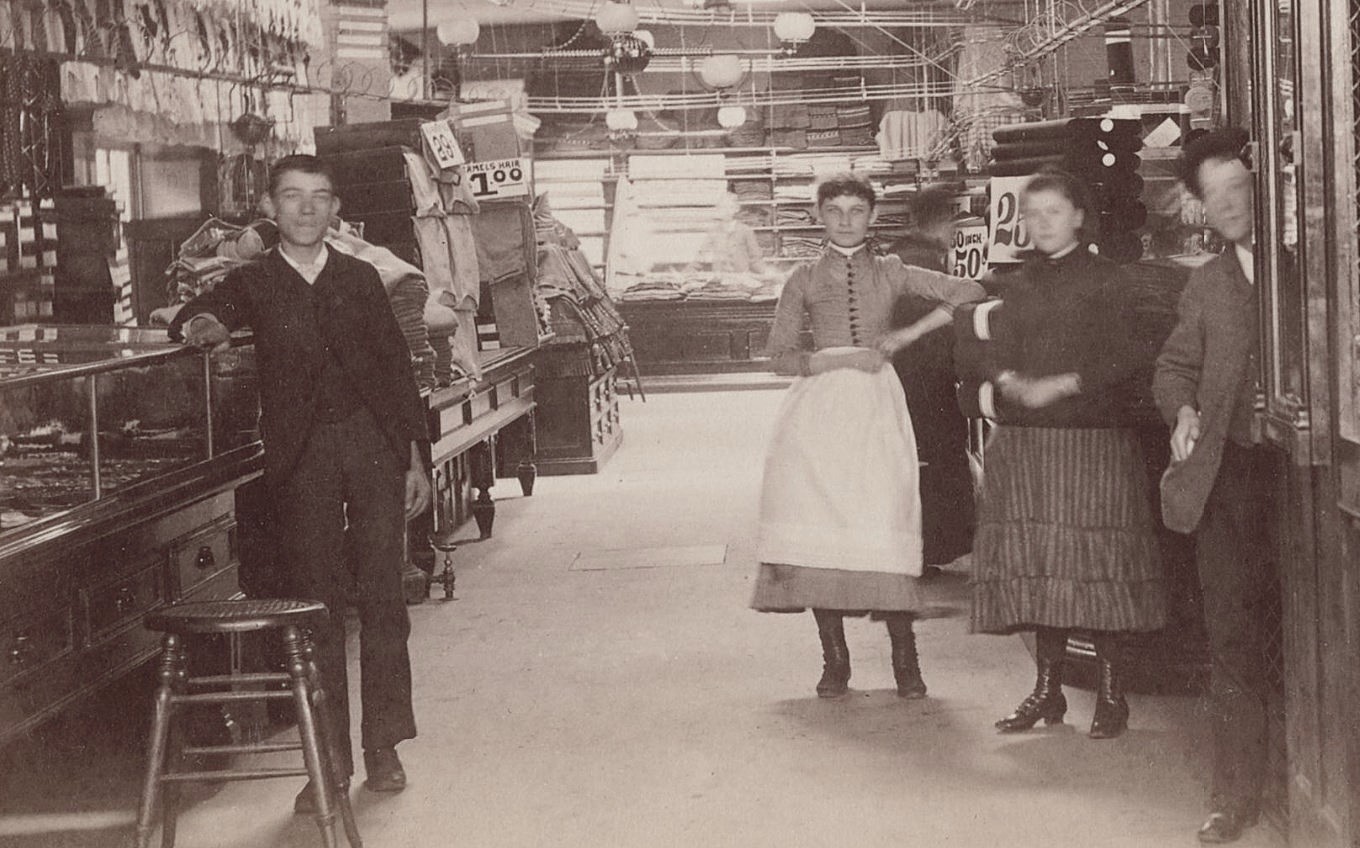
How old were store workers in the 1880s? Large dry-goods and department stores commonly hired “cash boys” and “cash girls” in their early teens (roughly ages 10–16). The 1880 U.S. Census even recorded occupations for people as young as 10, and reform-era photos show very young “cash boys” still in stores into the 1910s. Sales clerks were often older teens and young adults, with adult floorwalkers and department heads supervising.
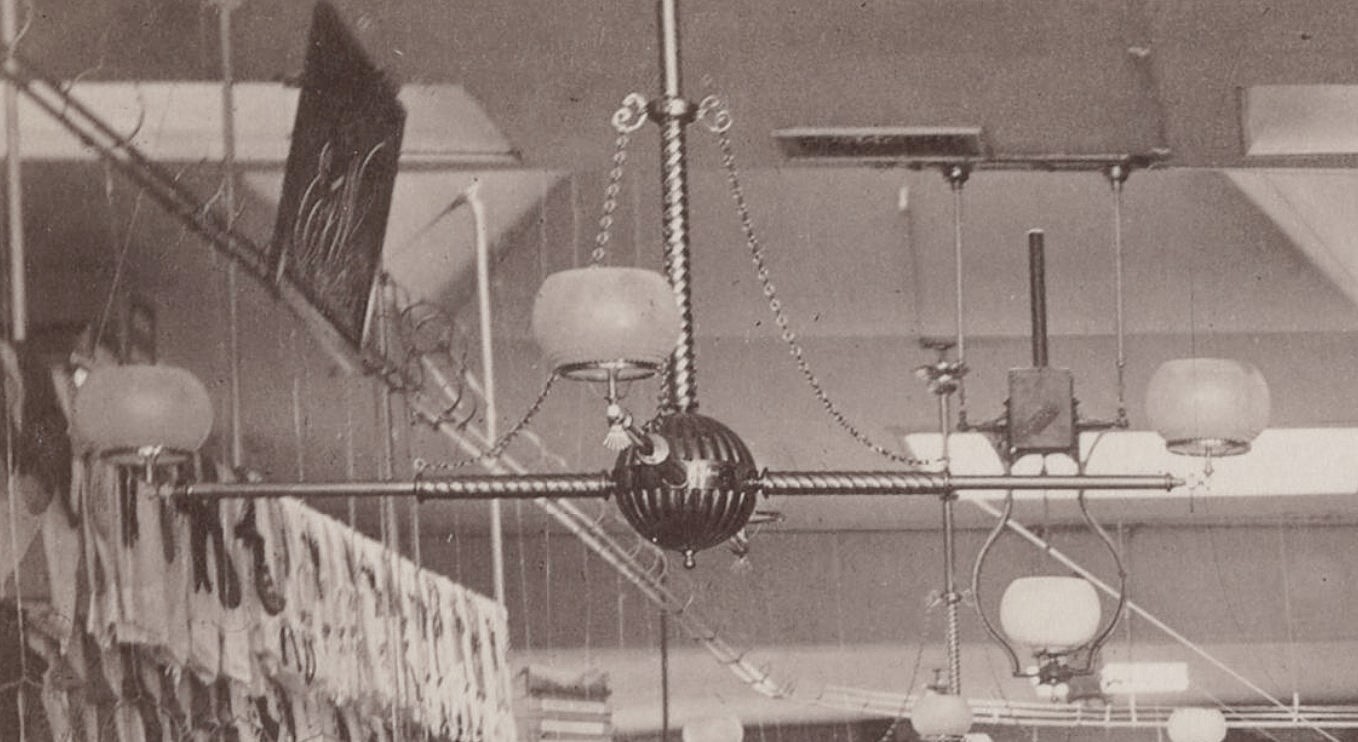


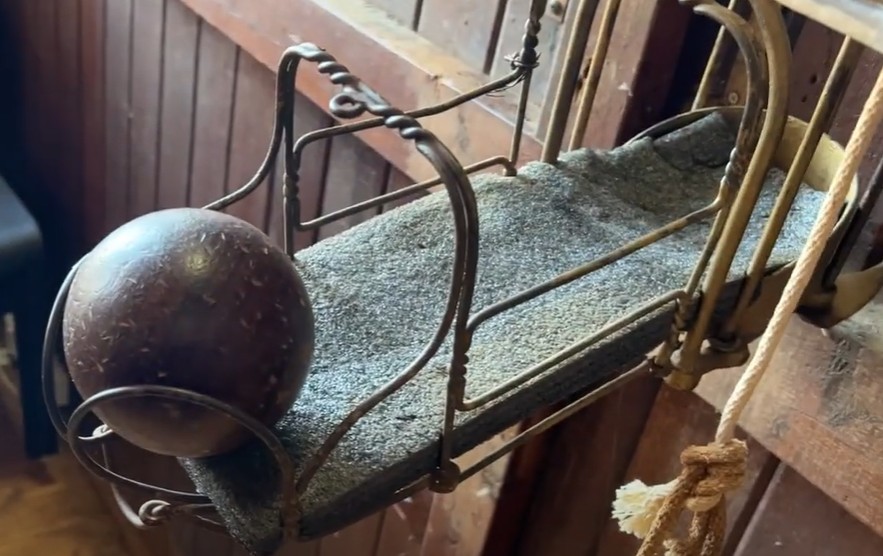
The Up-to-Date Store (1909) in Coolamon, NSW, preserves an early Lamson cash-ball installation—often described as the only known ball-style cash railway remaining in its original location. Local sources repeat the claim; the NSW heritage listing confirms it is unique within New South Wales and still in situ.
Visit the website of the store here.
A fantastic video of this device in motion can be found here.



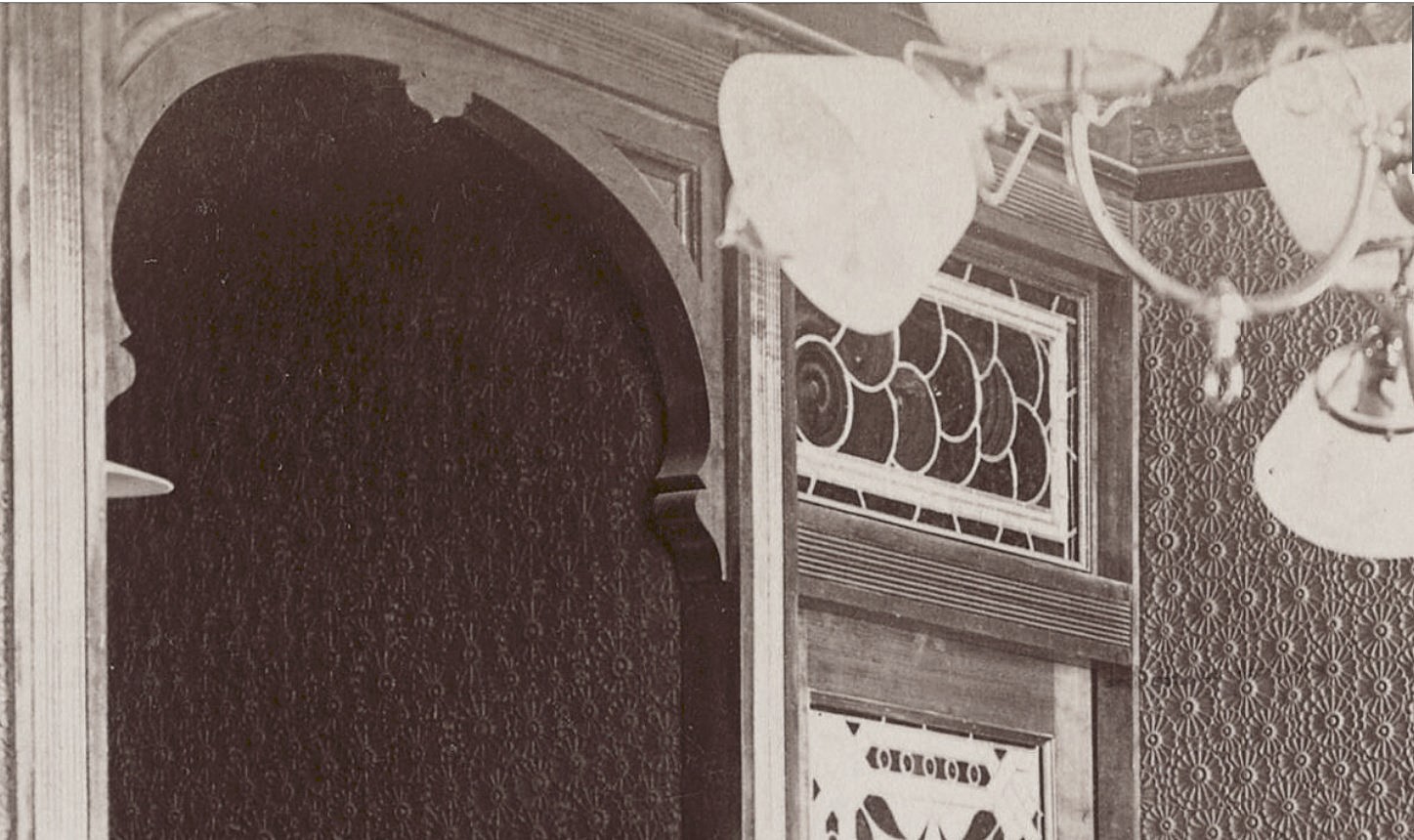
Late-19th-century dry-goods and department stores often provided a Ladies’ Parlor as a comfortable, respectable space for women shoppers to pause between departments. These rooms encouraged longer visits (and thus more sales) by offering amenities that echoed a well-appointed home.
Typical features & purposes:
- Rest & waiting area: Sofas, chairs, magazines, and a quiet place to regroup or wait for companions.
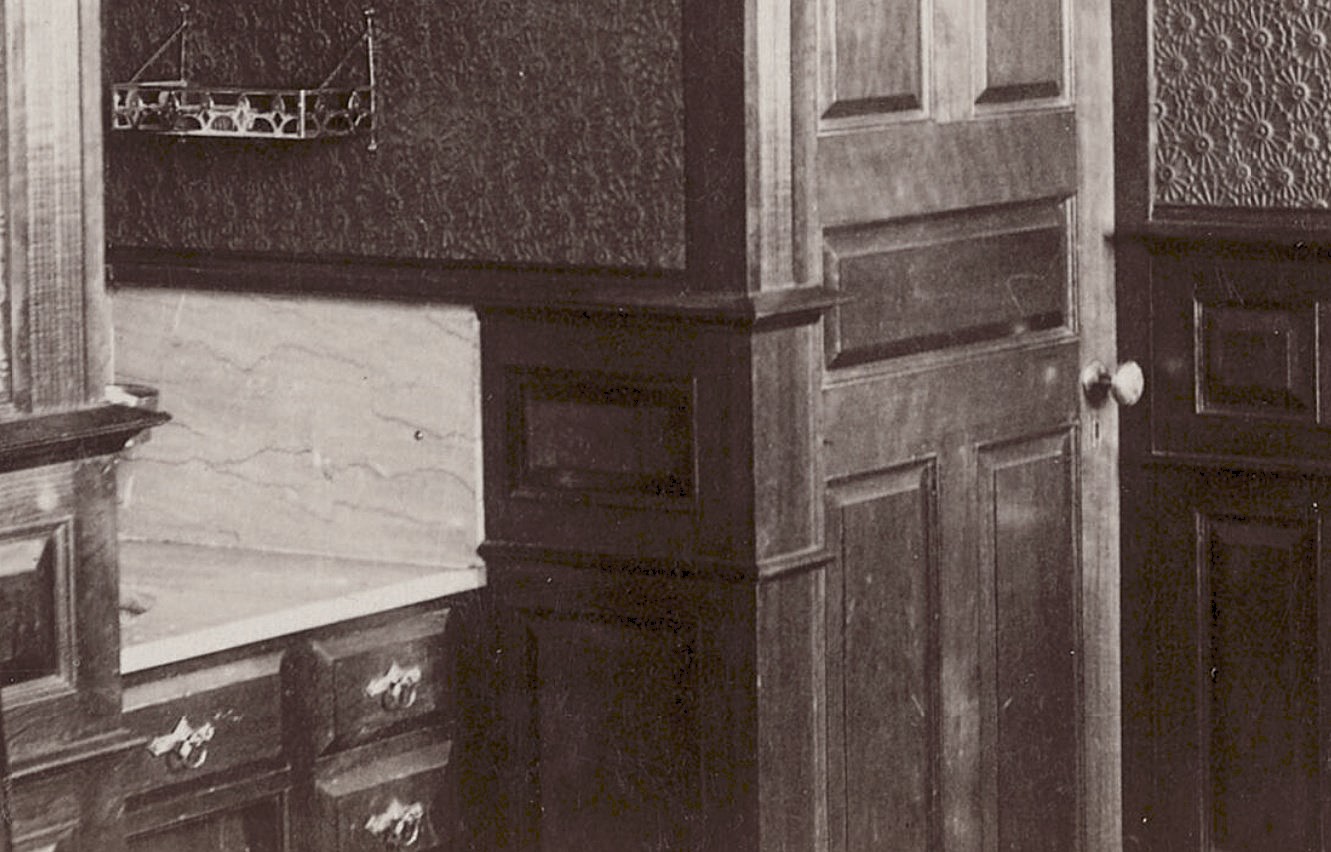
- Convenience: Adjacent lavatories, washstands, mirrors, and sometimes small changing rooms.
- Service desk: Parcel-check, message/errand services, sewing/repair help, and information assistance.
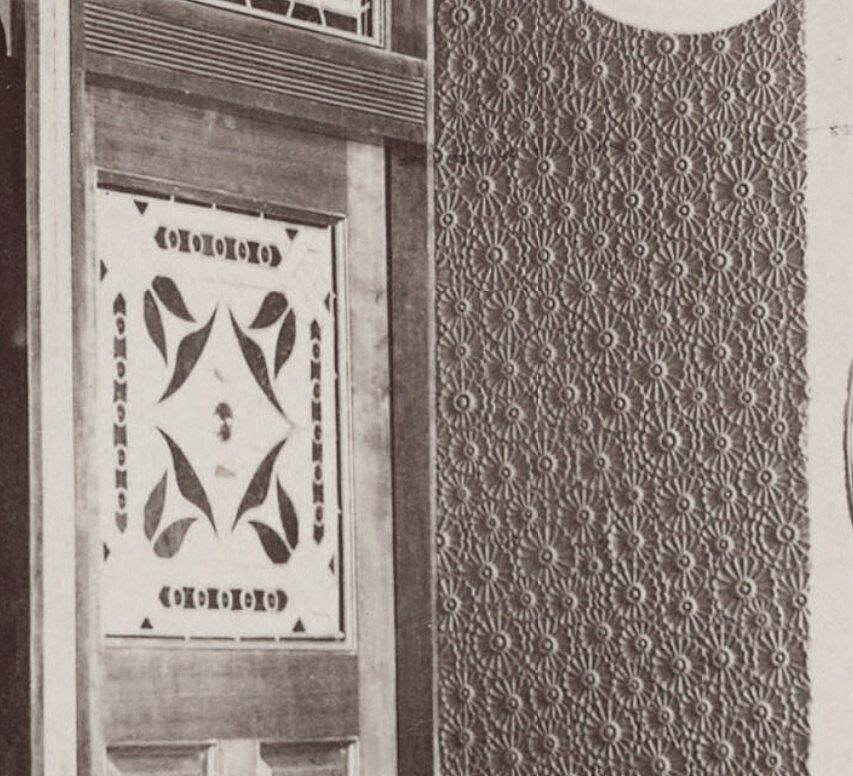
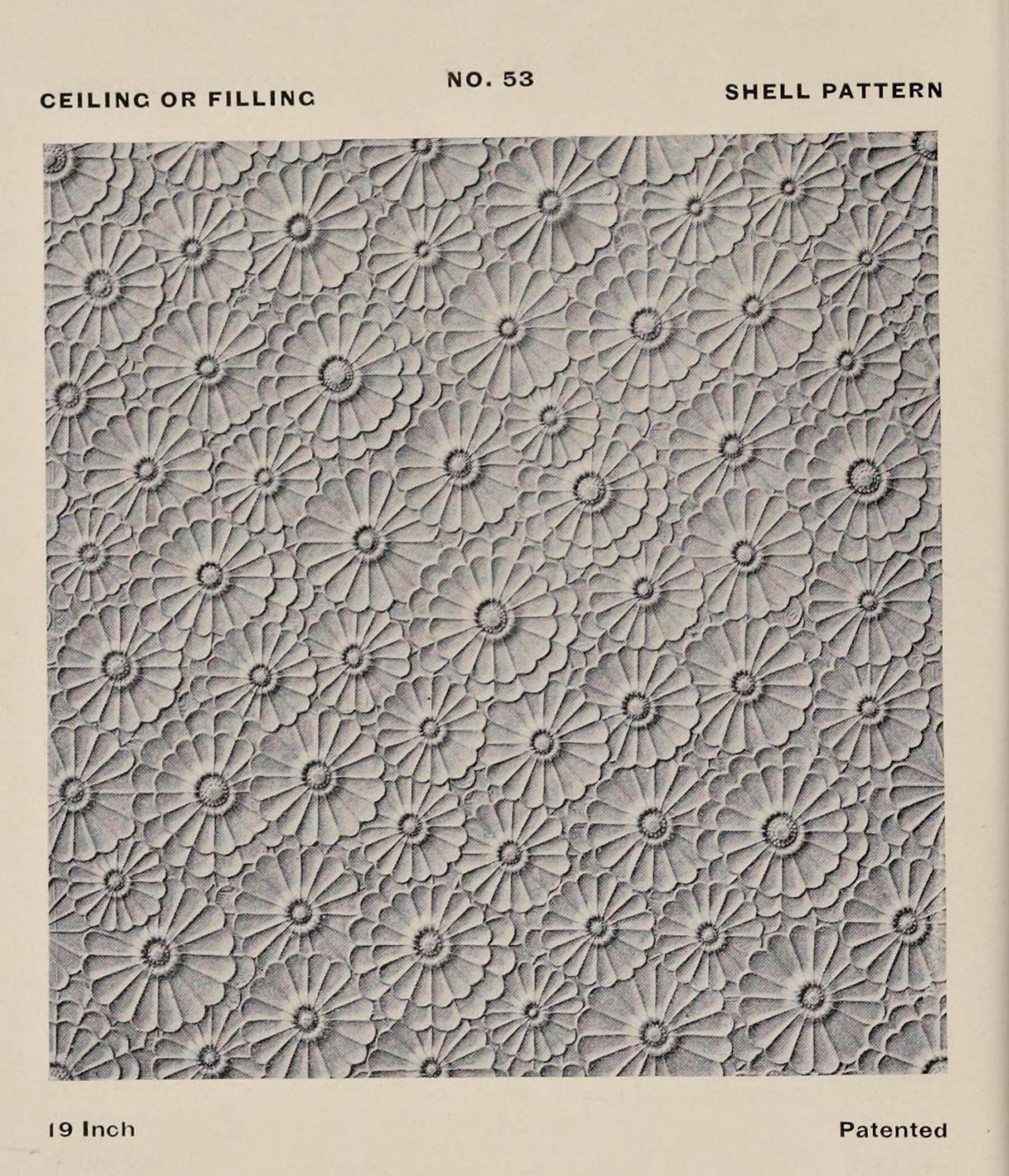
- Comforts: Stained glass, carpets/Lincrusta, a fireplace, and (later) combination gas-electric lighting to feel inviting and “domestic.”
- Privacy & propriety: A socially acceptable space for unaccompanied women to rest without stepping back onto the street.

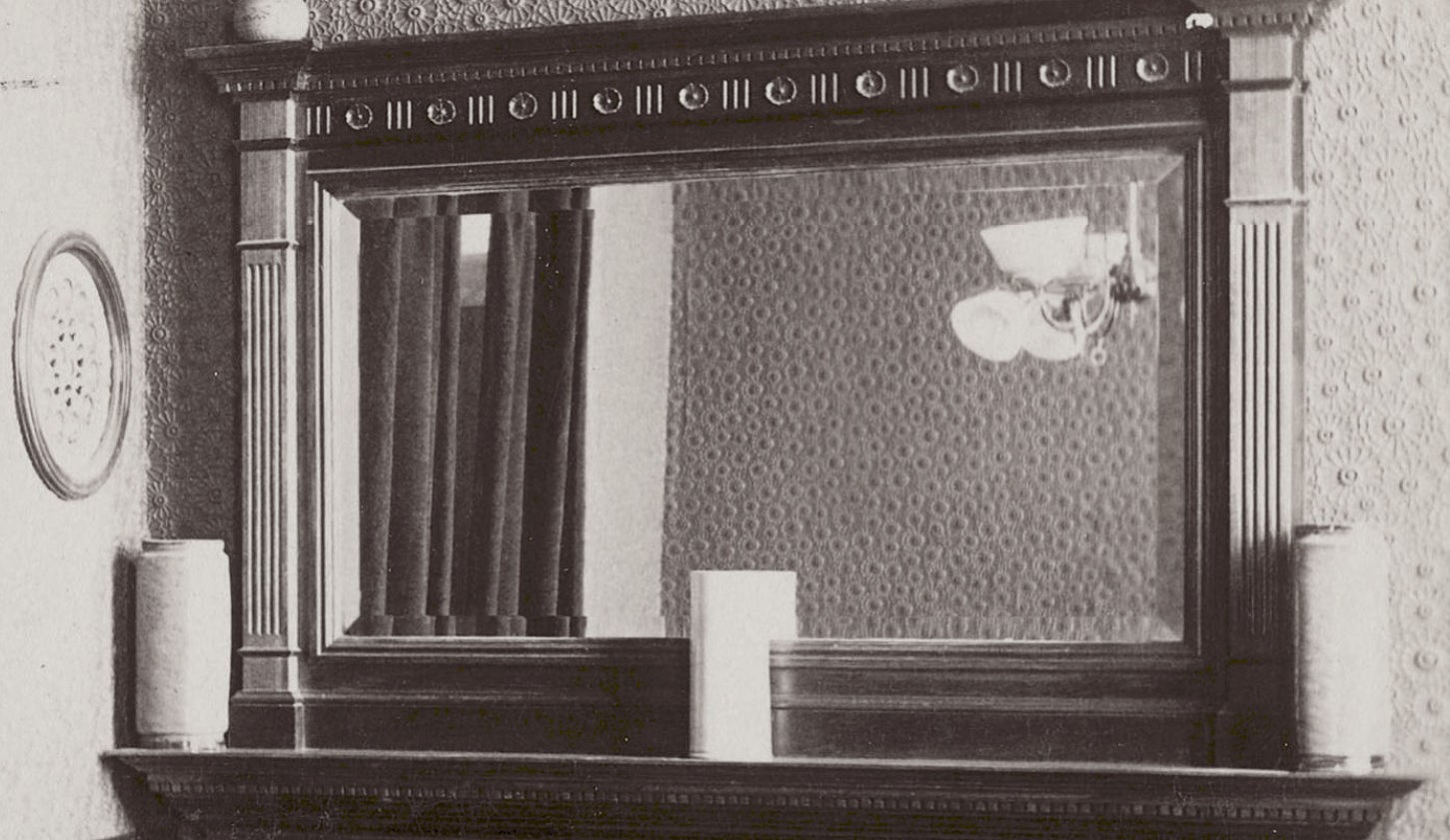
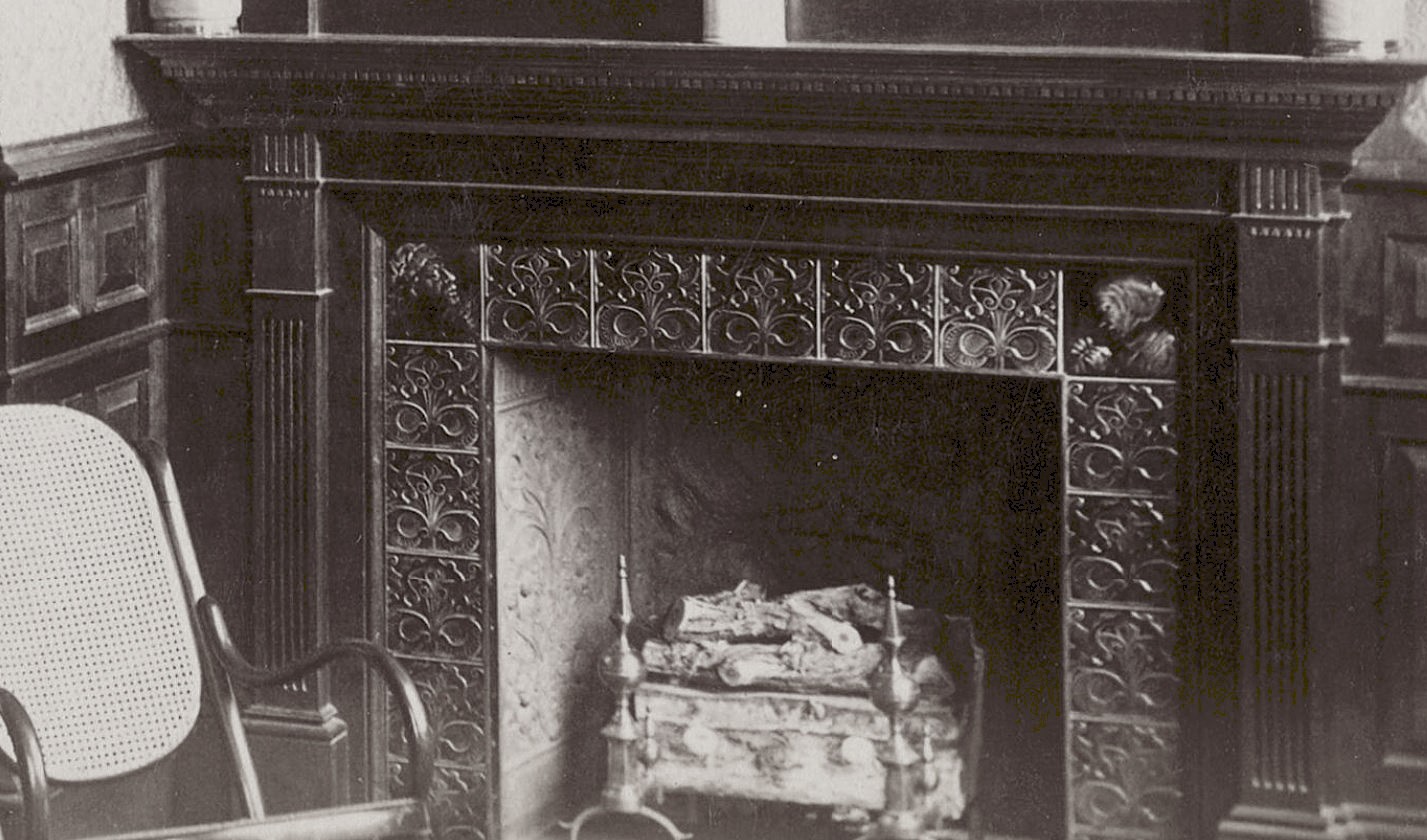


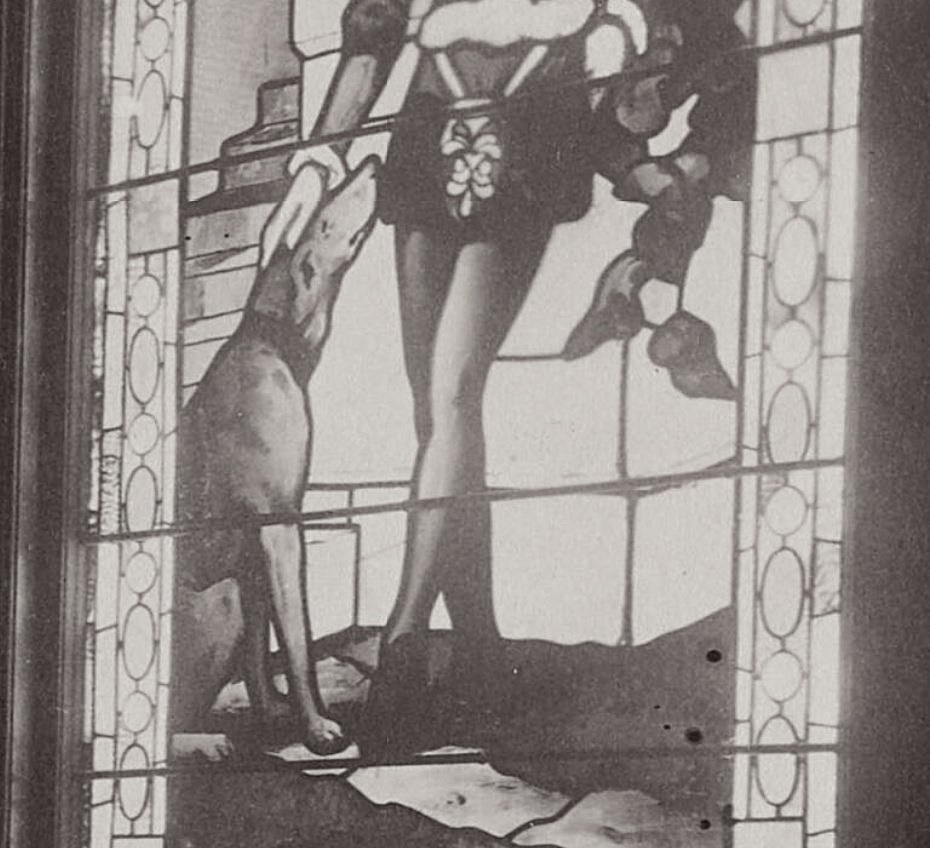

Next time we’ll explore carpets and following that, the drapery departments…