Hotel Hamilton with “Cracked Ice”
6/27/25
33 Comments
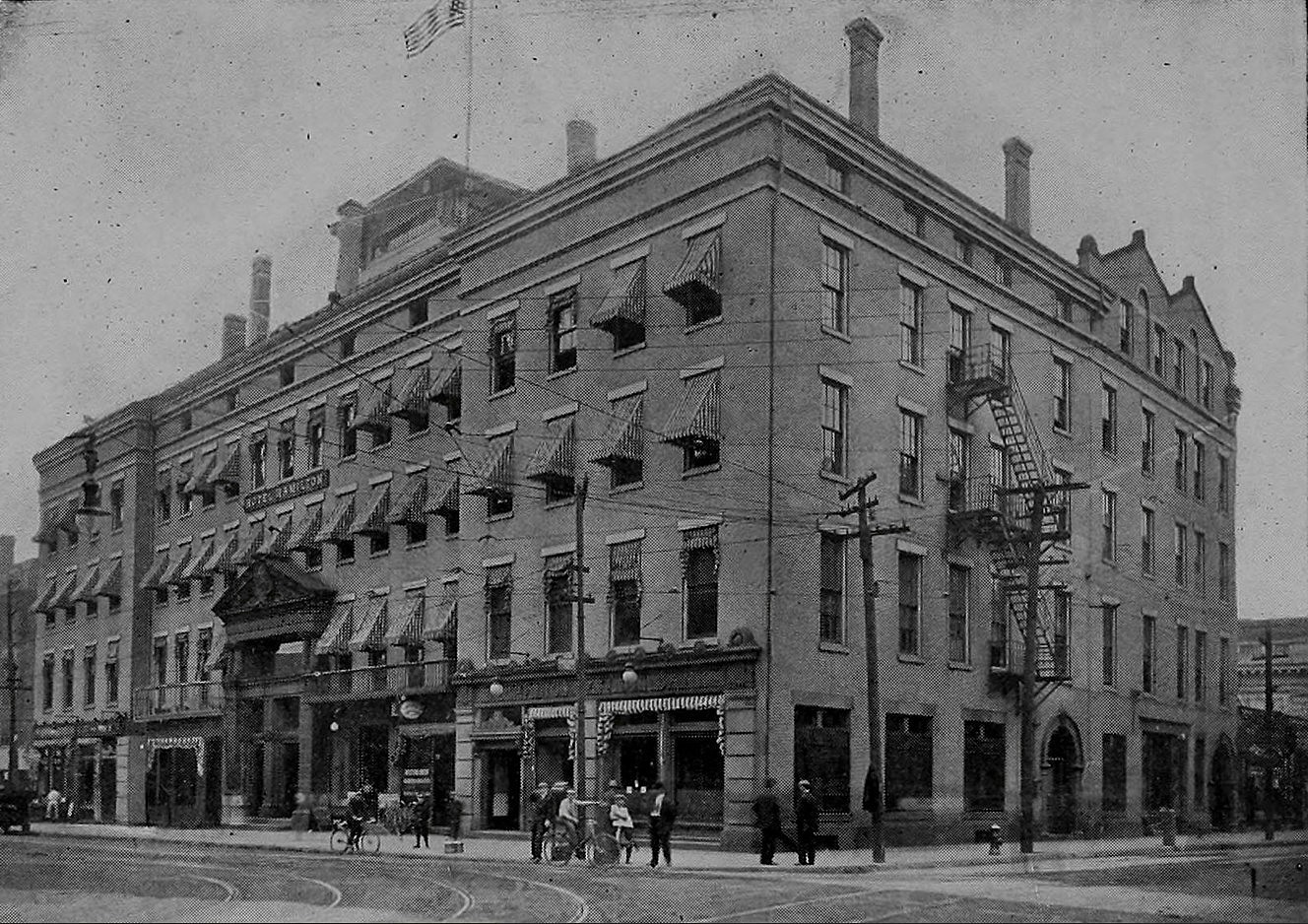
Holyoke was growing rapidly during the 19th century. The Hotel Hamilton began as the Holyoke House in the 1850’s at the corner of Main and Dwight Streets. It had some struggles in the beginning and closed soon after in 1858. However, by the 1860s it reopened and became a key part of Holyoke’s downtown. In 1889–1890, architect James A. Clough oversaw a major expansion that added 40 rooms, a dance hall, and modern amenities. Following this transformation, it was renamed Hotel Hamilton and quickly became the city’s premier hotel, hosting travelers, banquets, and civic events during Holyoke’s industrial rise in the late 19th century. There was only one interior room I was able to find which we’ll be reviewing today.
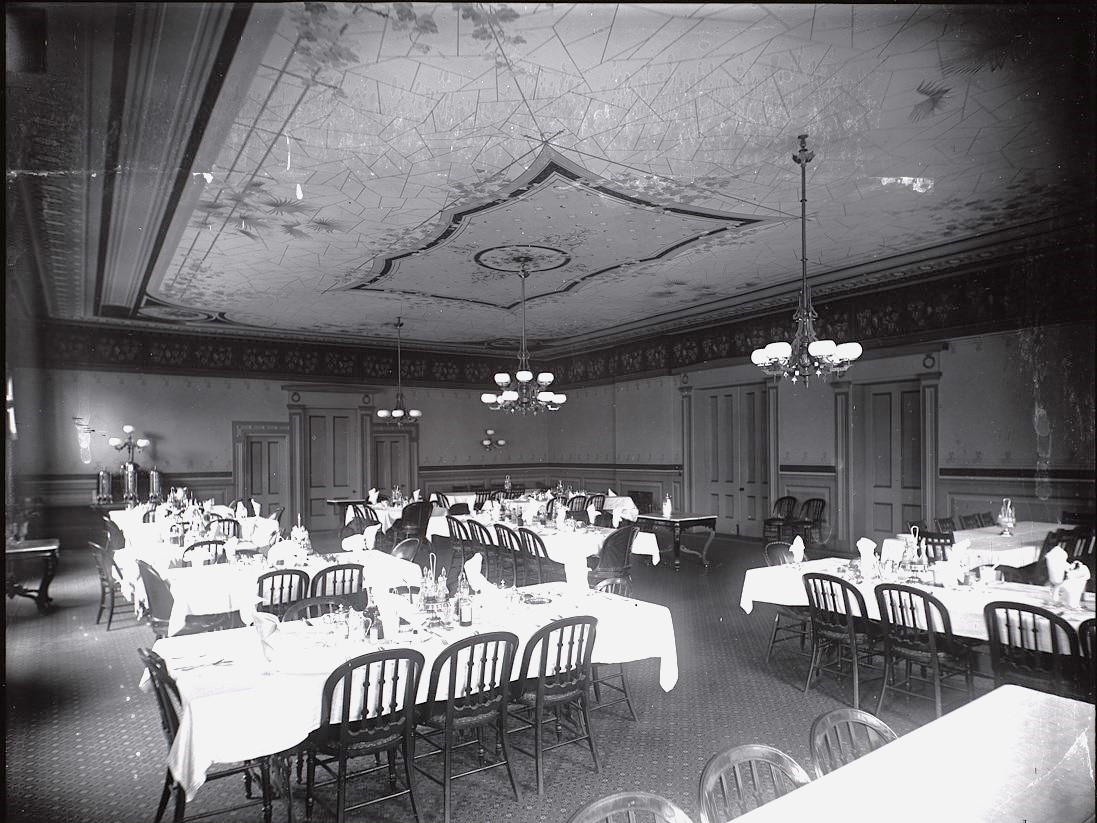
This photograph, taken by Milan P. Warner, was originally labeled as an unidentified room. It wasn’t until recently—while reading a news article about renovations at the hotel—that I was able to match it to this location. The article featured this very room, albeit in a redesigned state, confirming the connection. This artistically executed dining room is characteristic of the 1880s and reflects the influence of the Aesthetic Movement. It features a decorative ceiling, three gas chandeliers, a frieze, wall fill, and a dado—design elements popularized by Charles Eastlake and many of his contemporaries. According to the Transcript Telegram, the room measured 56 feet long by 38 feet wide.
The original photograph was extremely dark and difficult to discern, so the version shown here has been lightened to reveal the intricate and beautiful details.

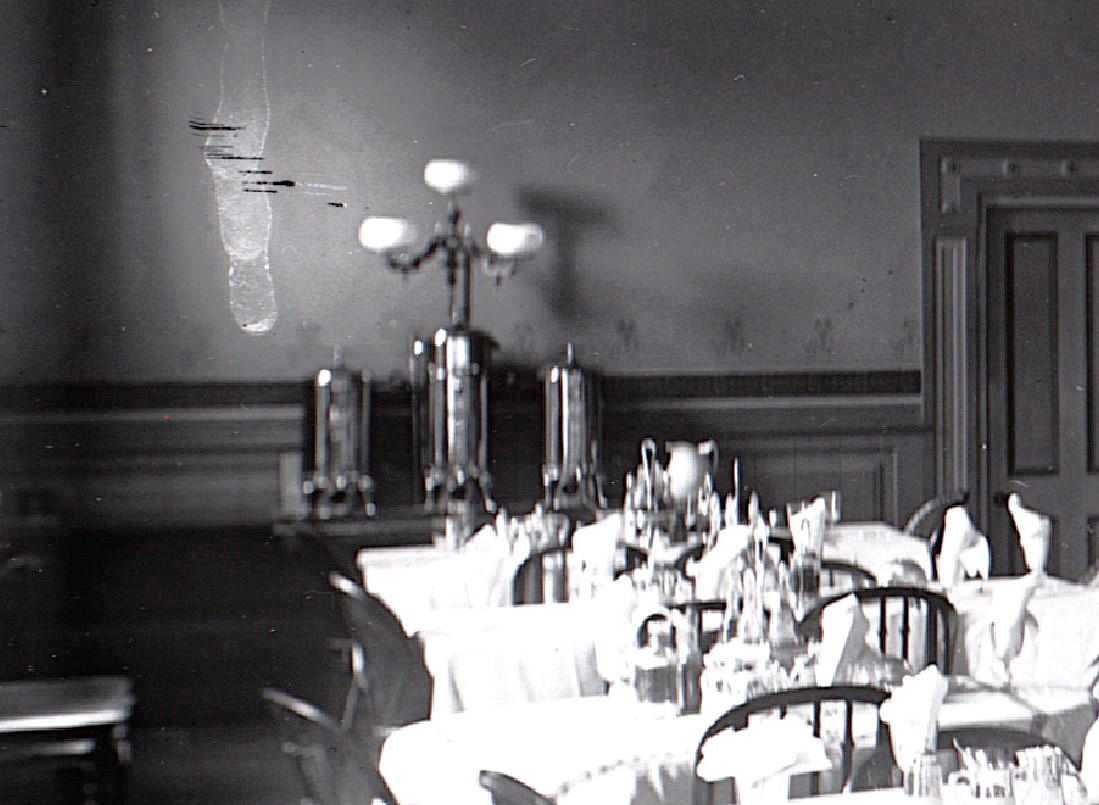
Moving from left to right, we see a silver spooner, a pitcher, and a creamer. There appears to be a salt shaker and two bottles containing condiments. A plate of crackers and cookies is also visible. Behind the napkin sits a pickle caster, typically used to hold pickled goods. A multi-bottled caster set rests nearby, filled with glass condiment bottles. In front of it is a small glass that appears to hold toothpicks. Behind a labeled bottle is another pickle caster, and further along—past two more pitchers and creamers—is a round butter dish with its lid removed and placed behind it.

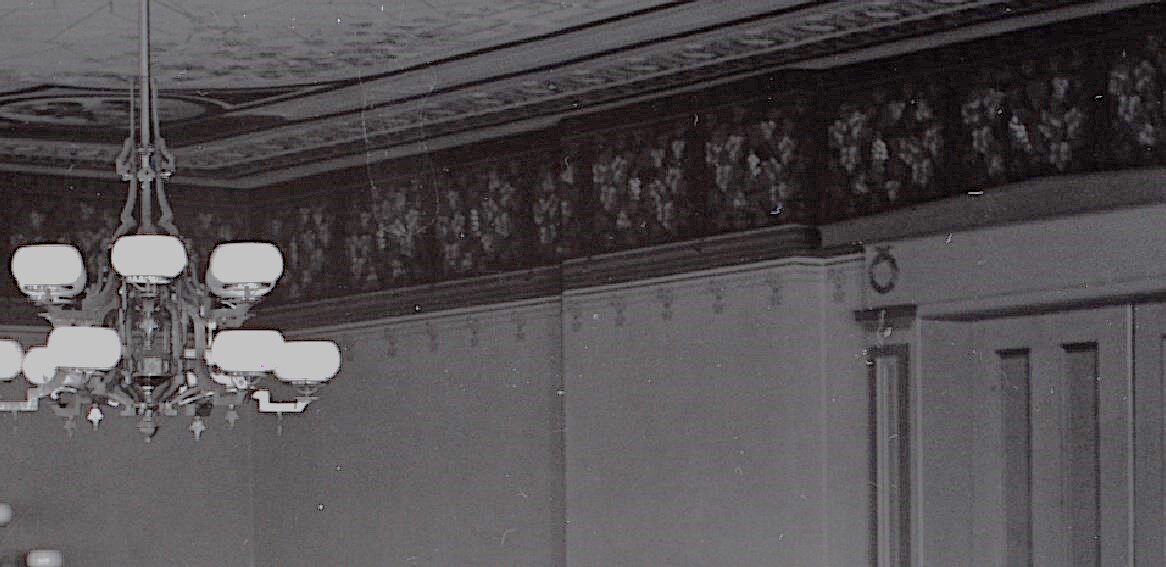


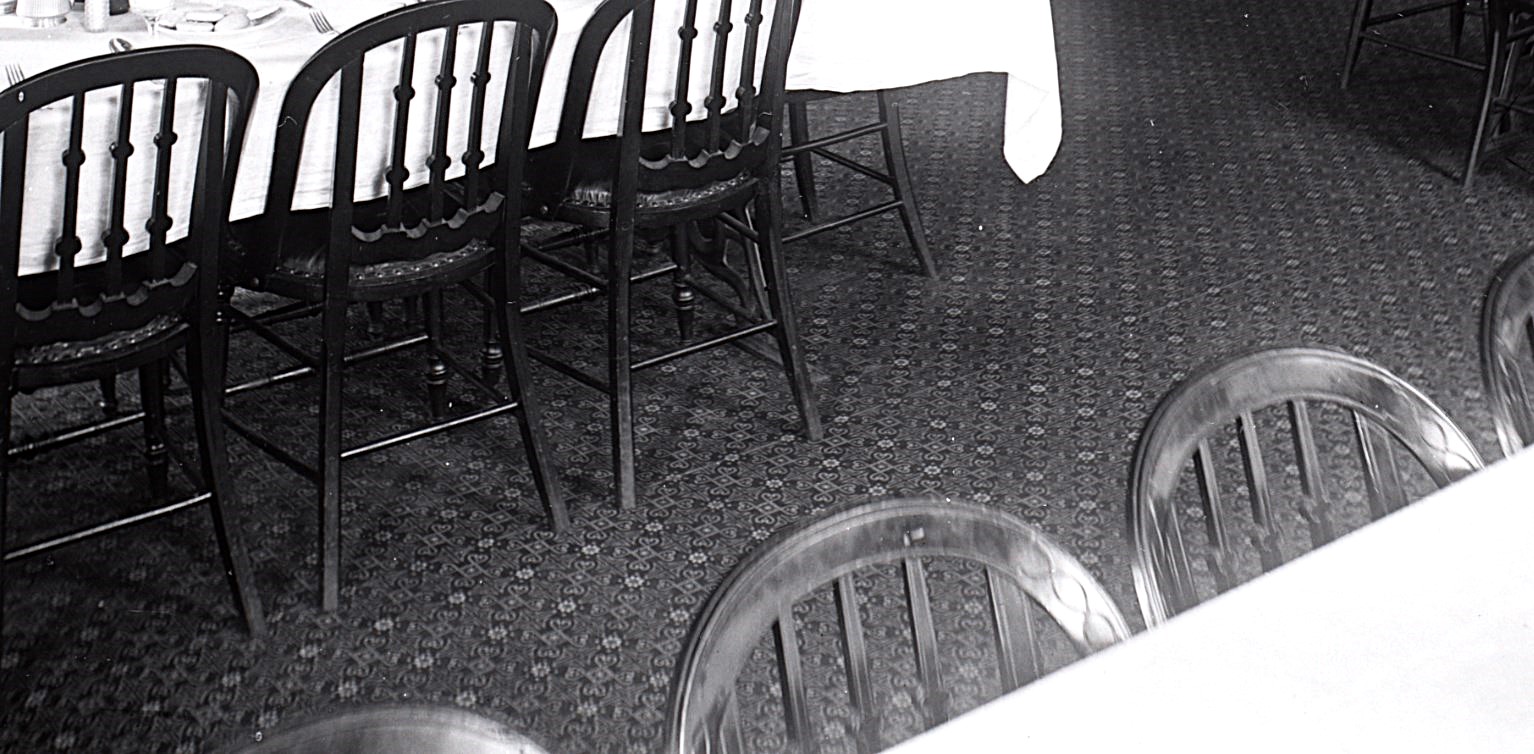
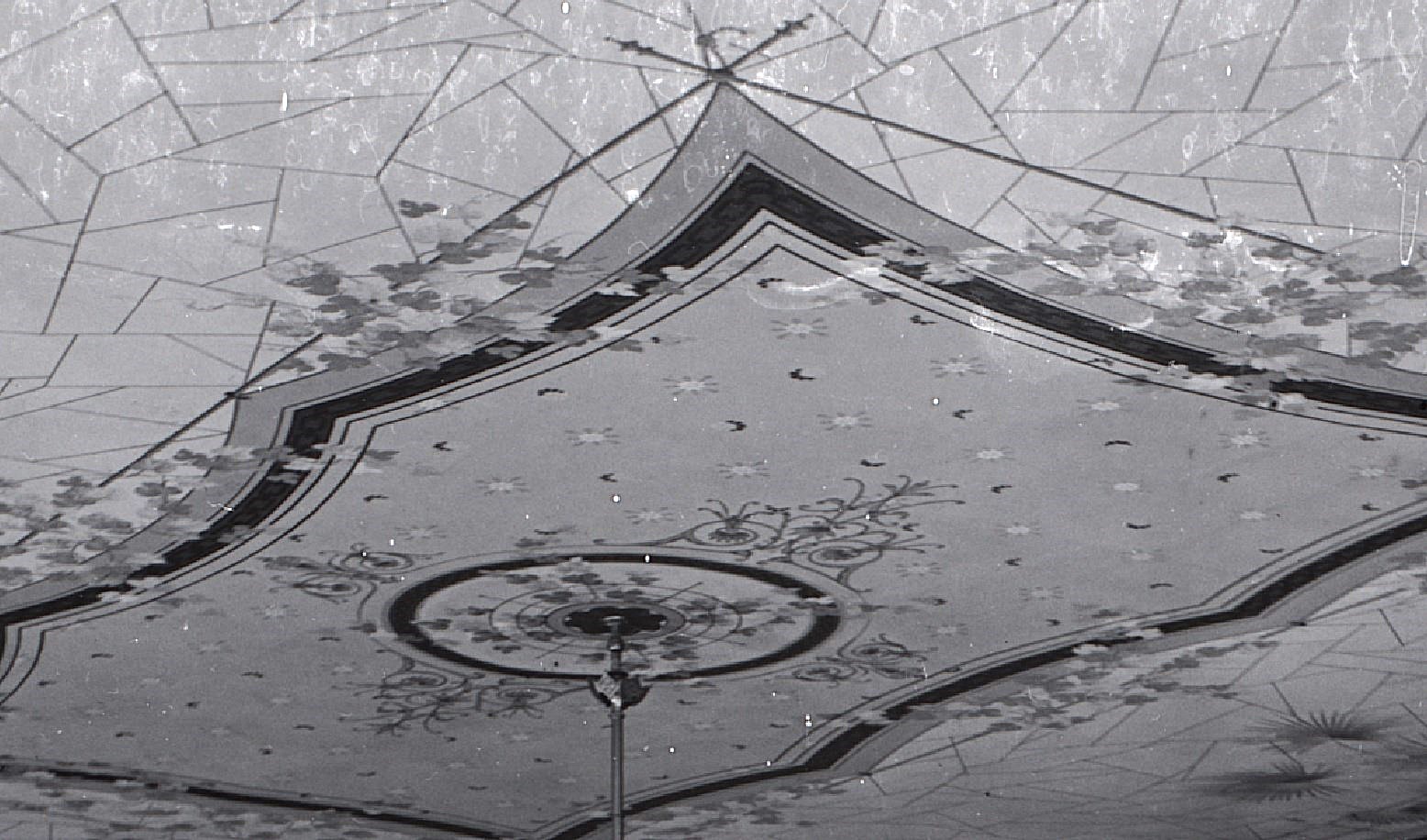
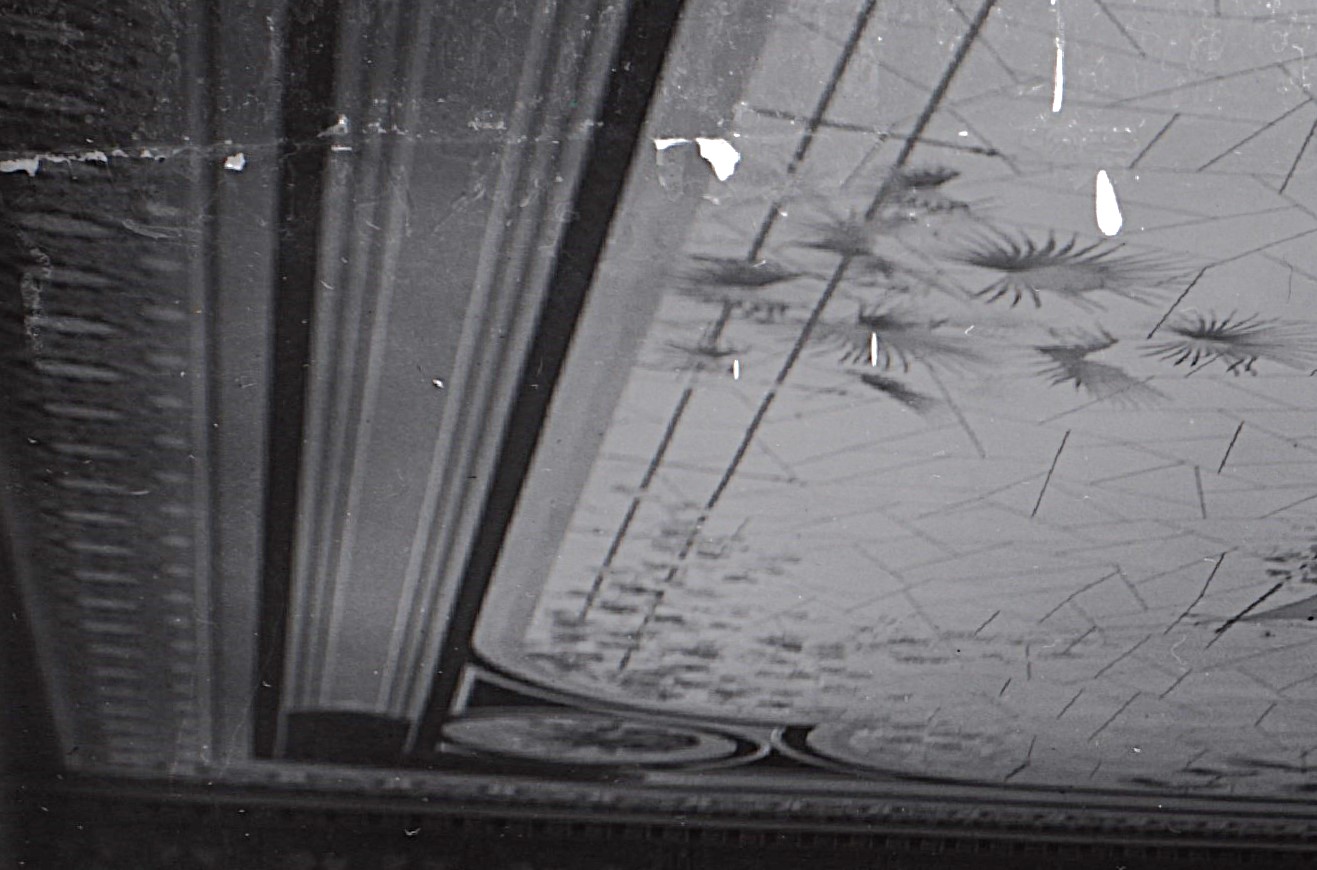
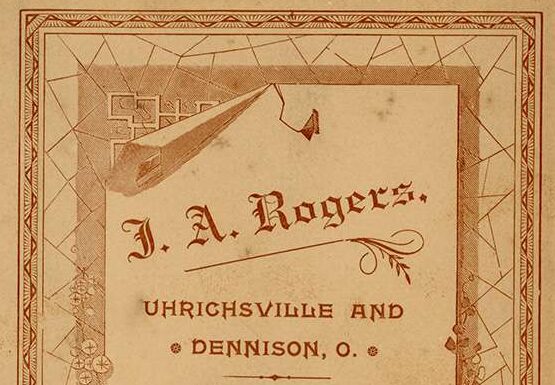
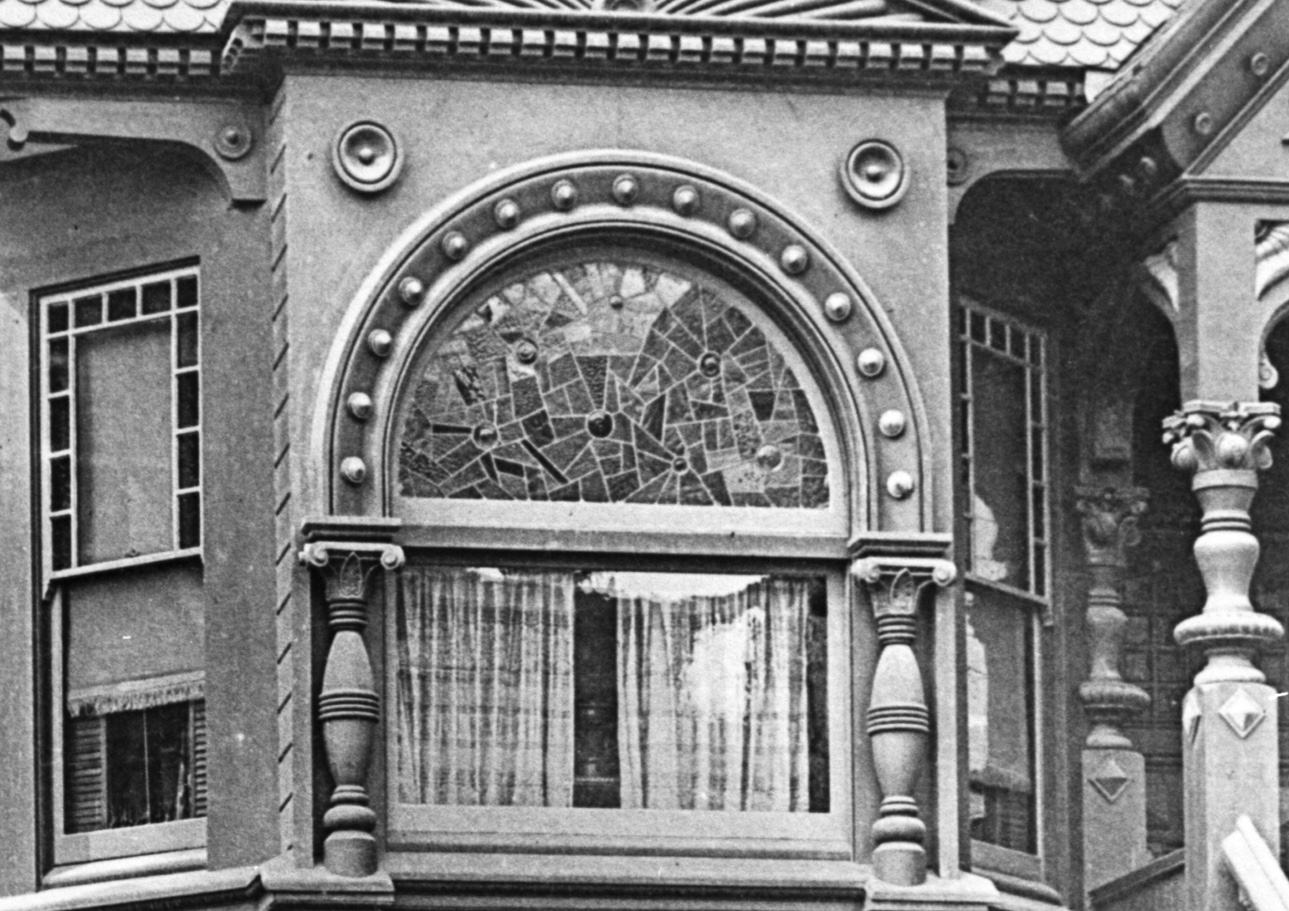
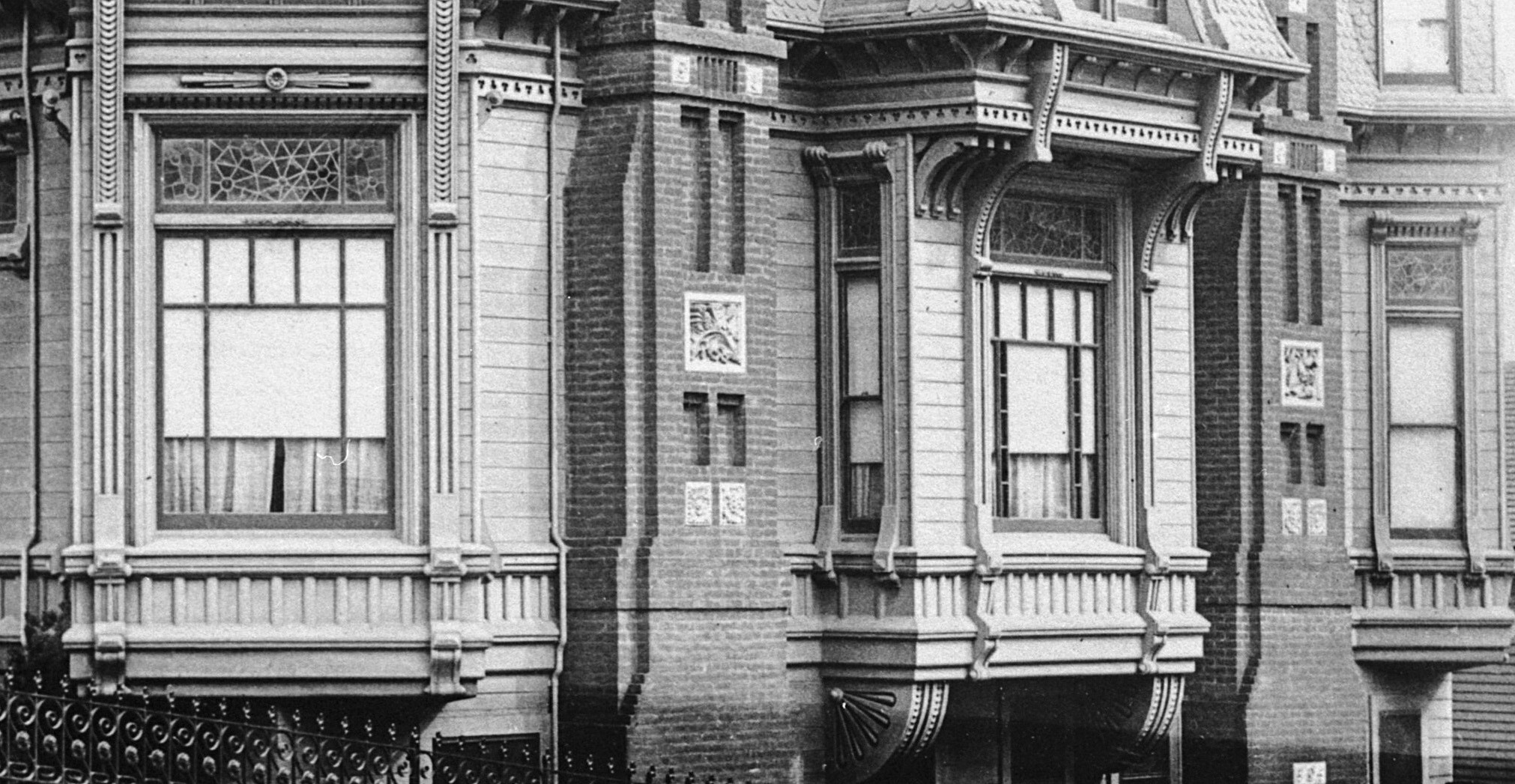
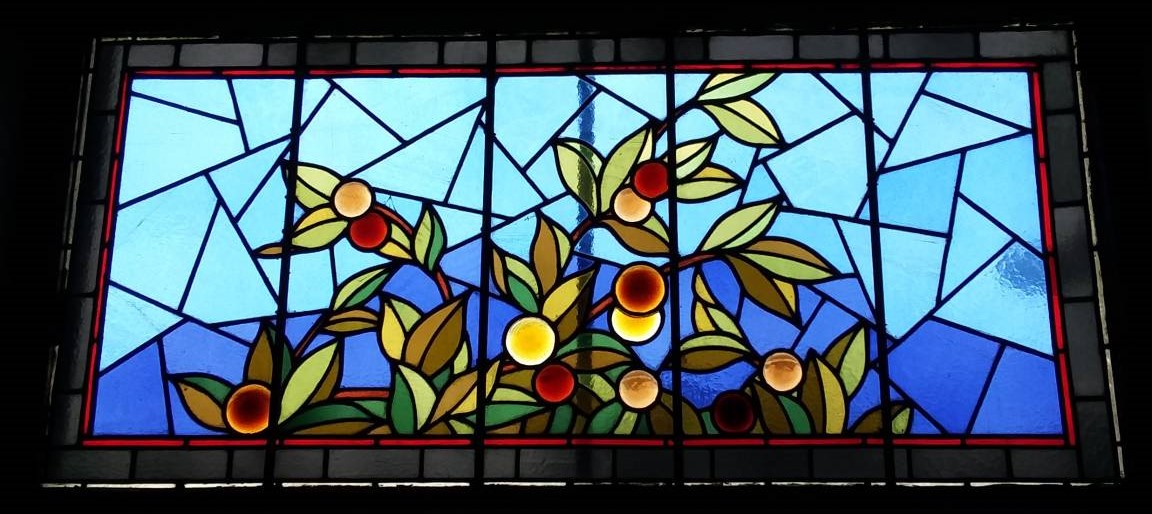
This painted ceiling really requires close study to fully appreciate what is being depicted. Sitting beneath it must have been a captivating experience. Around the perimeter of the room are additional poles, railings, and plants. In the background, we see a pattern that rose to popularity in the 1880s—cracked ice. In modern times you’ll often hear this described as “crazy quilt” or mosaic pattern. Inspired by ancient Japanese design, this pattern was frequently used on its own or in combination with others. It became especially popular in stained glass, painting, and various forms of advertising. Fellow OHD follower John Shiflet brought this term up to me in a post a while ago and it exposed a lot of new information.
According to the Transcript Telegram newspaper in 1893, “Robert Johannis, frescoer and decorator, has just finished a very artistic piece of frescoing in the Hotel Hamilton dining room.” In the 19th century, the term “frescoing” was widely misapplied to describe freehand painting and stenciling. True fresco refers to painting on wet plaster, which was typically not the method used in these decorative treatments.
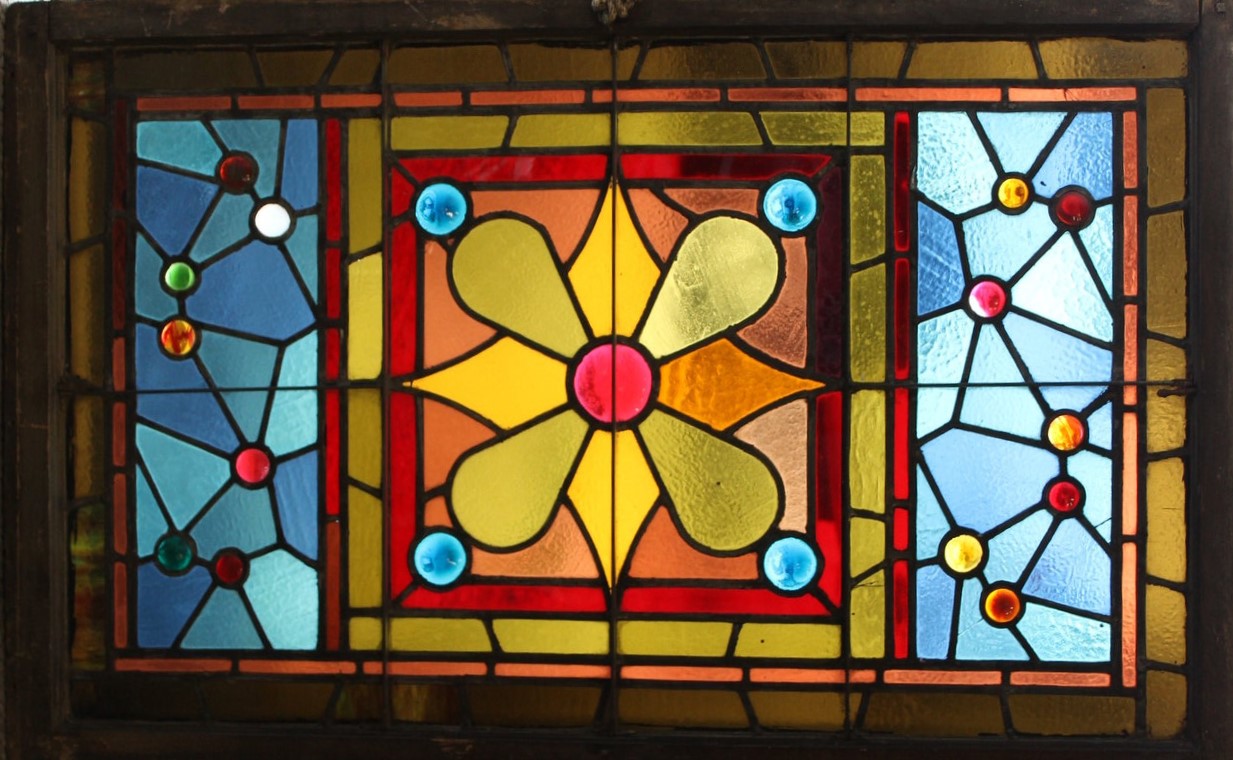
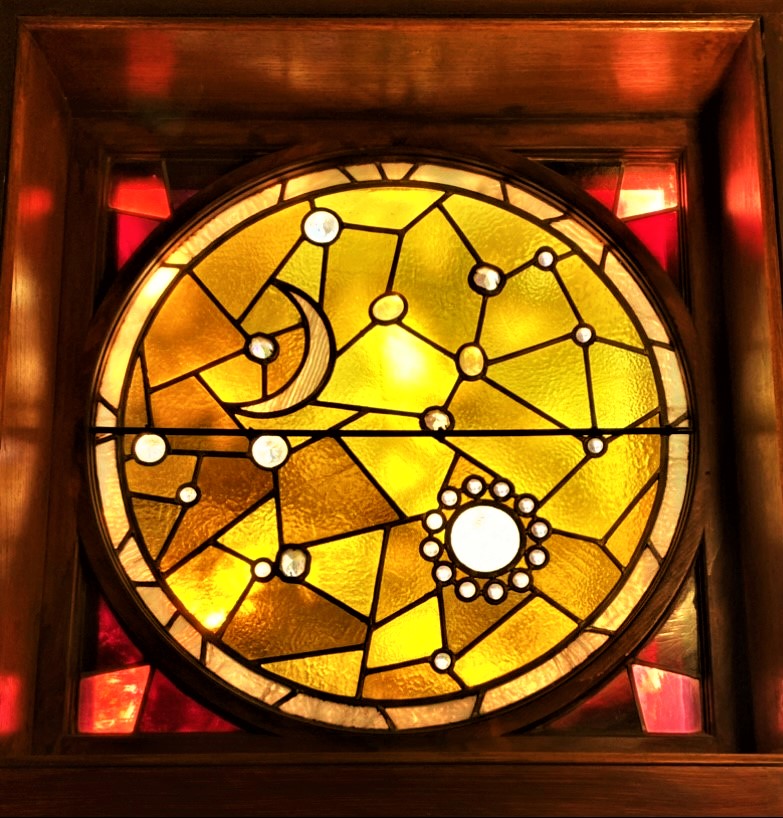

The key difference between the American Plan and the European Plan in late 19th-century hotels was whether meals were included with the room rate:
- American Plan (AP): Included three meals a day—breakfast, lunch, and dinner—served at scheduled times in the hotel’s dining room. This was typical of higher-end or resort hotels.
- European Plan (EP): Included lodging only, with meals available à la carte for an additional charge. Guests could dine at the hotel or elsewhere in the city.
Before & After:
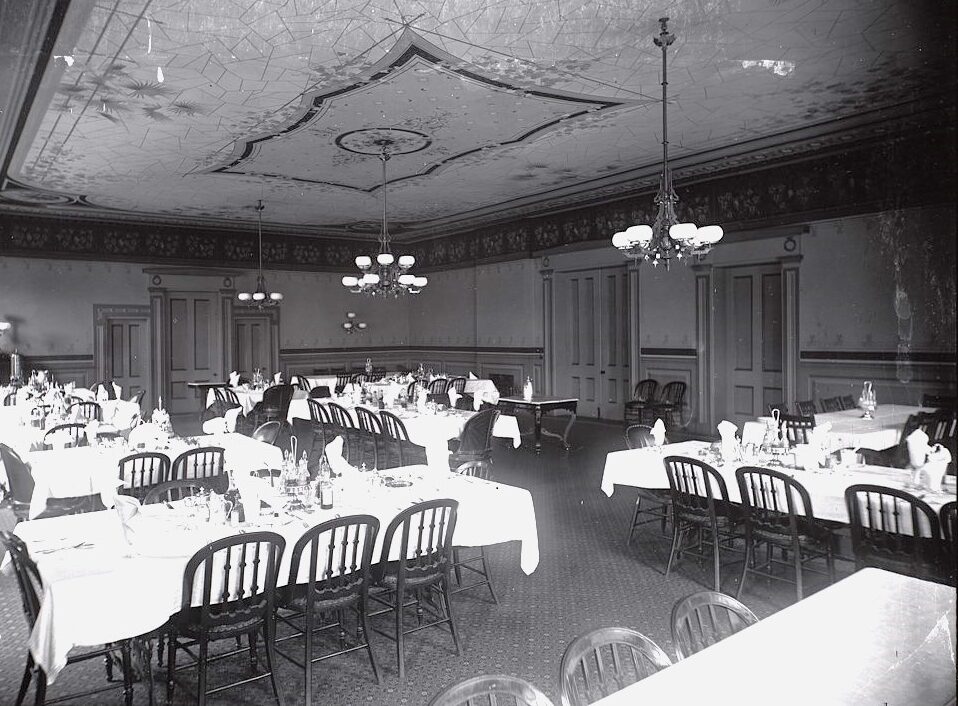
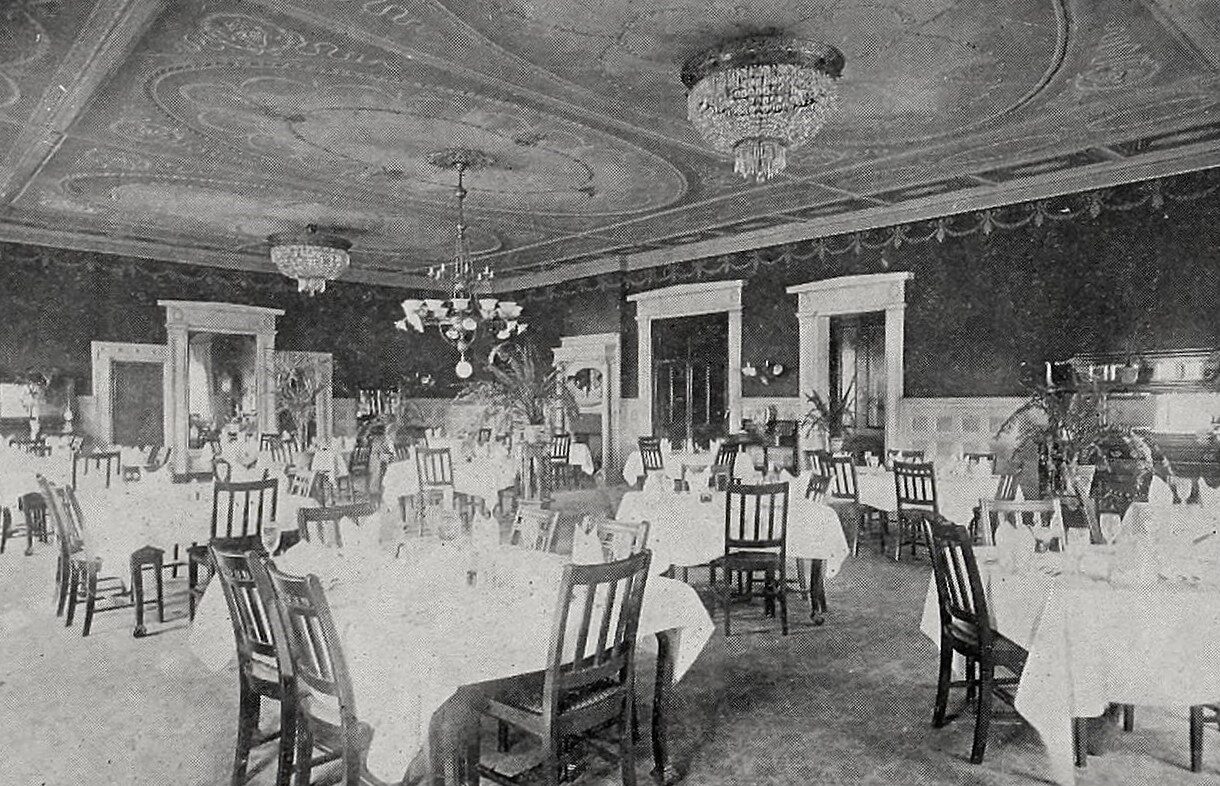
The room was redecorated to align with contemporary trends, replacing the 1880s Aesthetic Movement style with elements of the Colonial Revival. The ceiling was altered, light fixtures were updated, and the original polychrome woodwork was painted over. A new mantel was installed, fresh carpeting was laid, and wood paneling was added around the room. Decorative wall coverings with festoons were introduced, and the triple-door arrangement at the end of the room appears to have been closed off, with the central door converted into a mirrored panel.