1723/c.1800 – Dover, NH
1/8/20
9 Comments
Posted on OHD: 1/8/20. Last OHD Update: 7/25/22.
This has since "Sold" and is now archived for historical reference and educational purposes.
This has since "Sold" and is now archived for historical reference and educational purposes.
30 Silver St, Dover, NH 03820
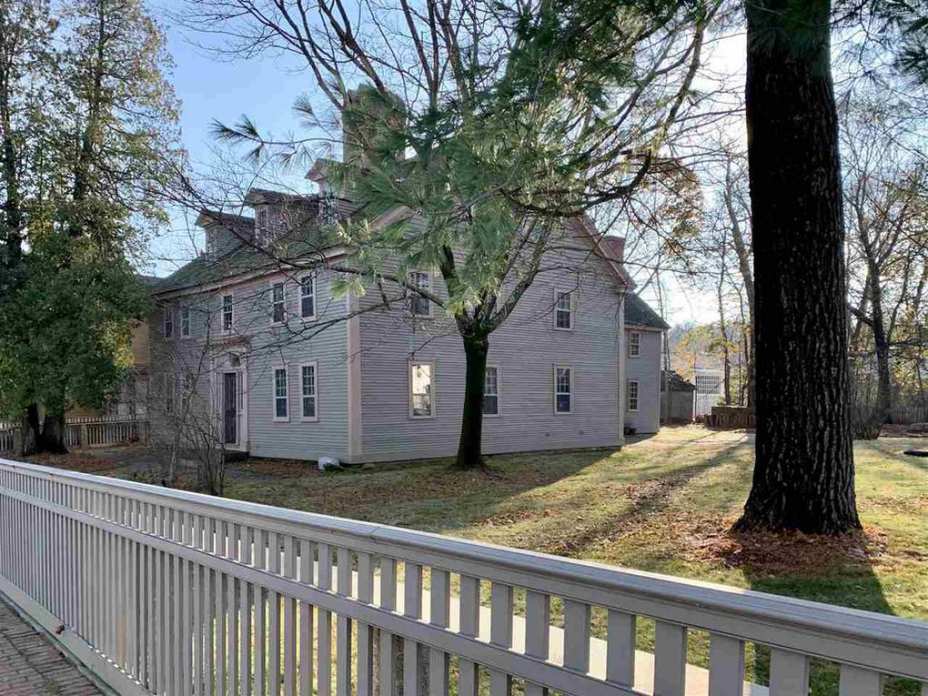
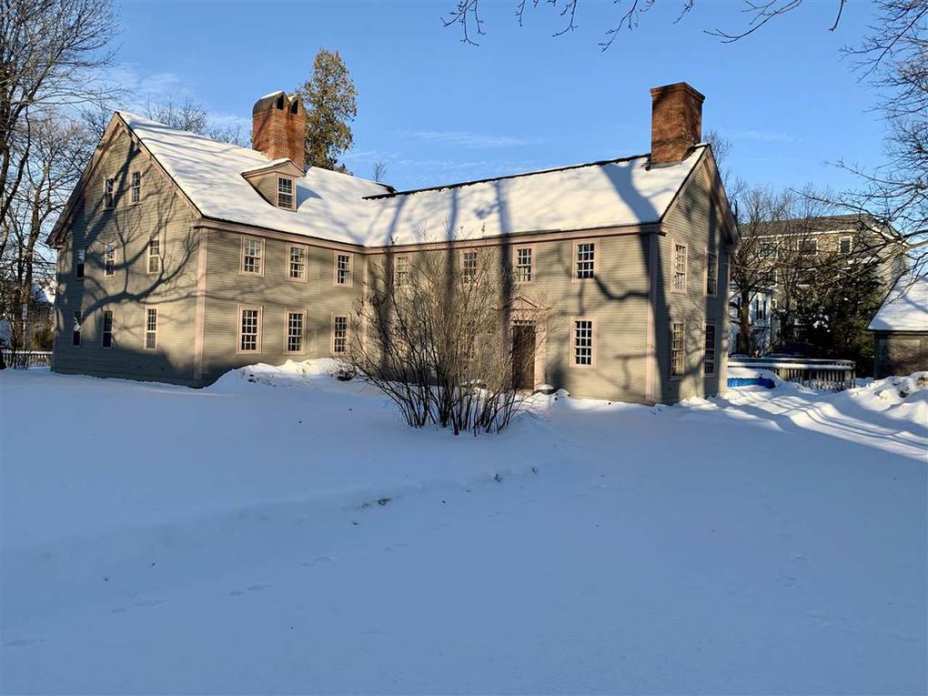
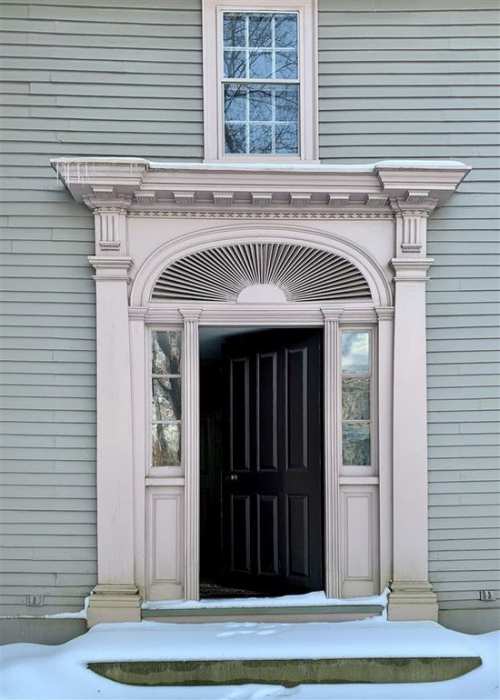
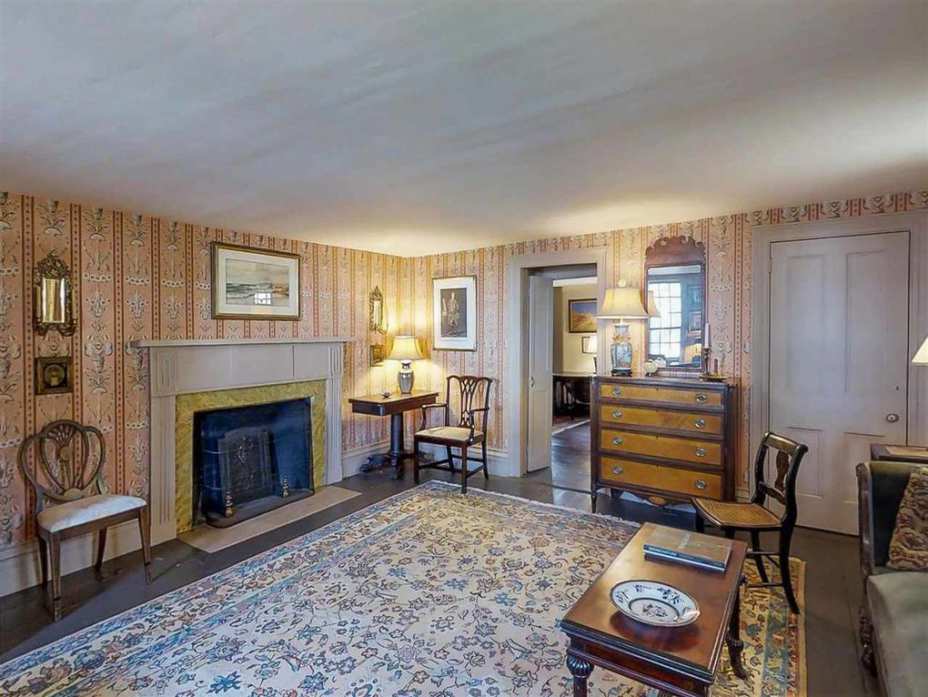
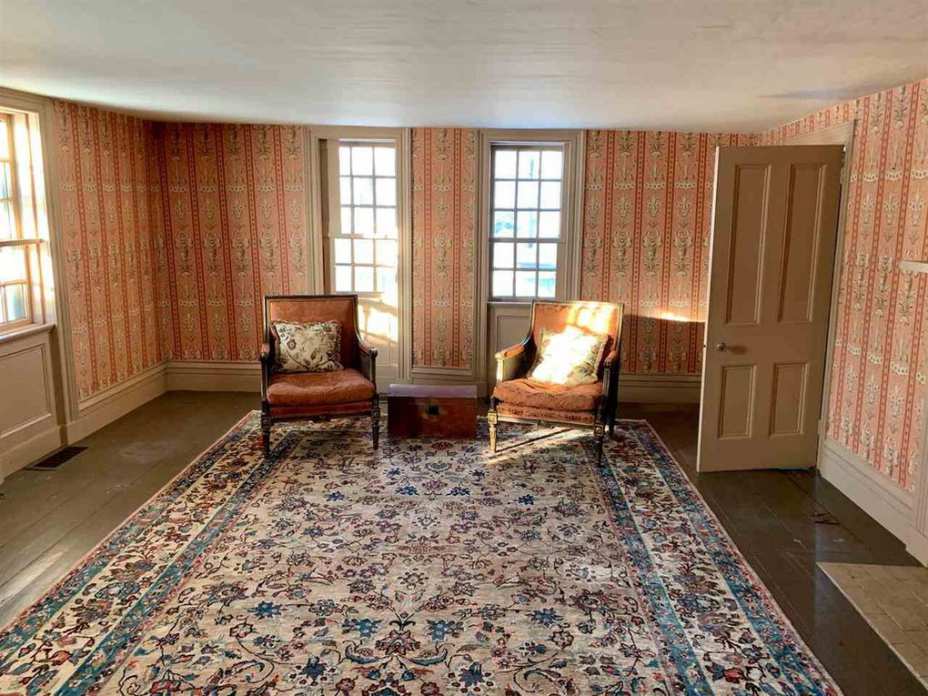
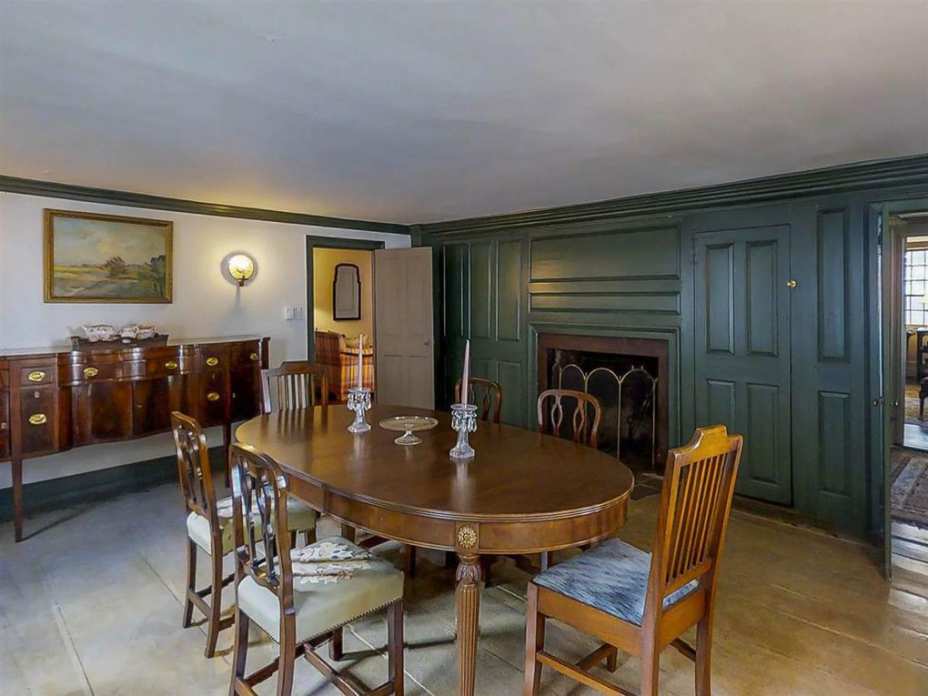
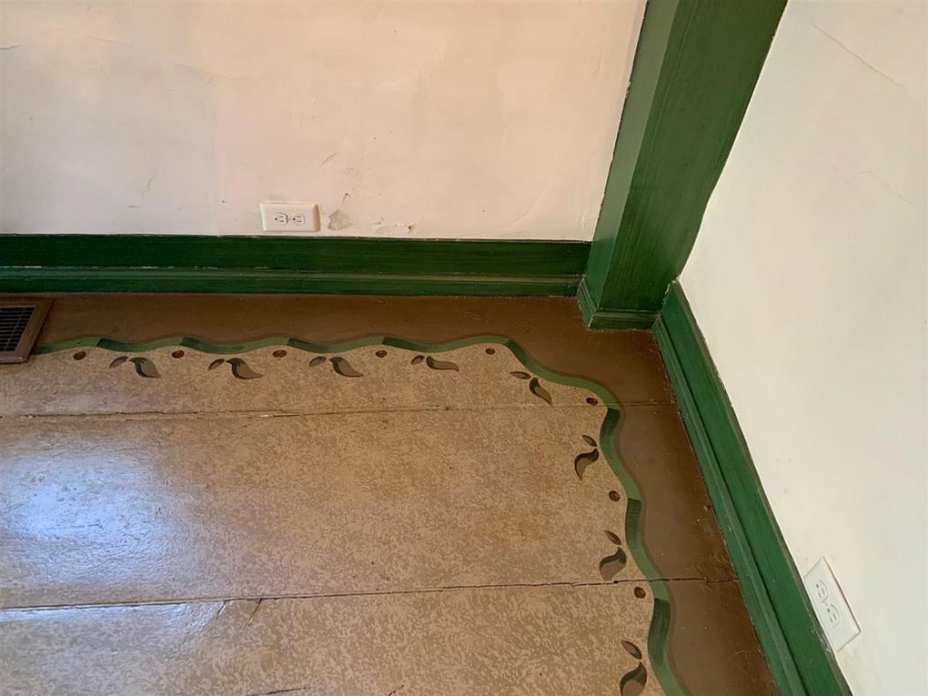
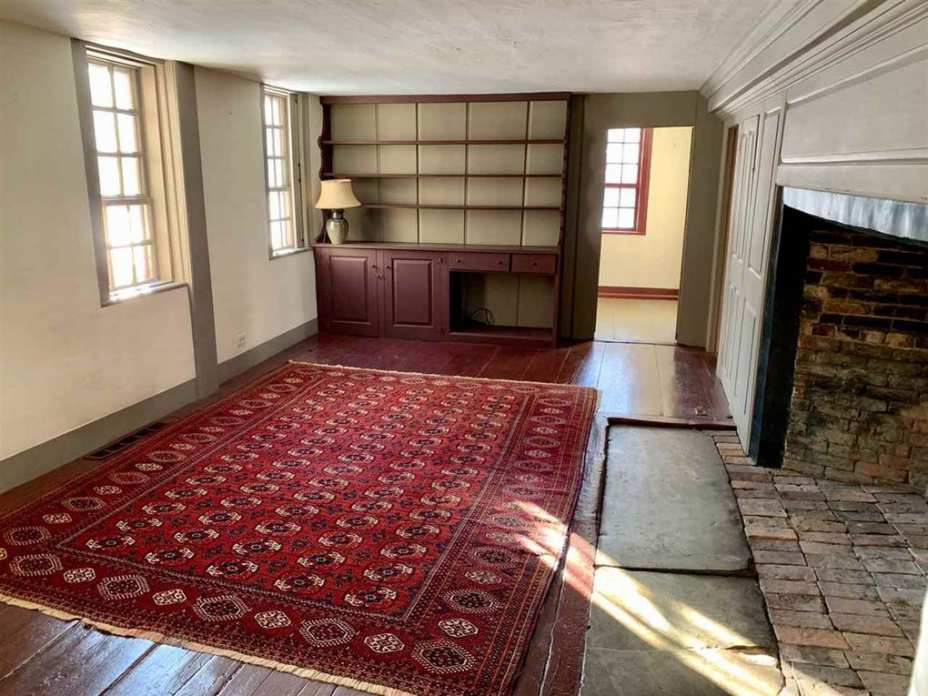
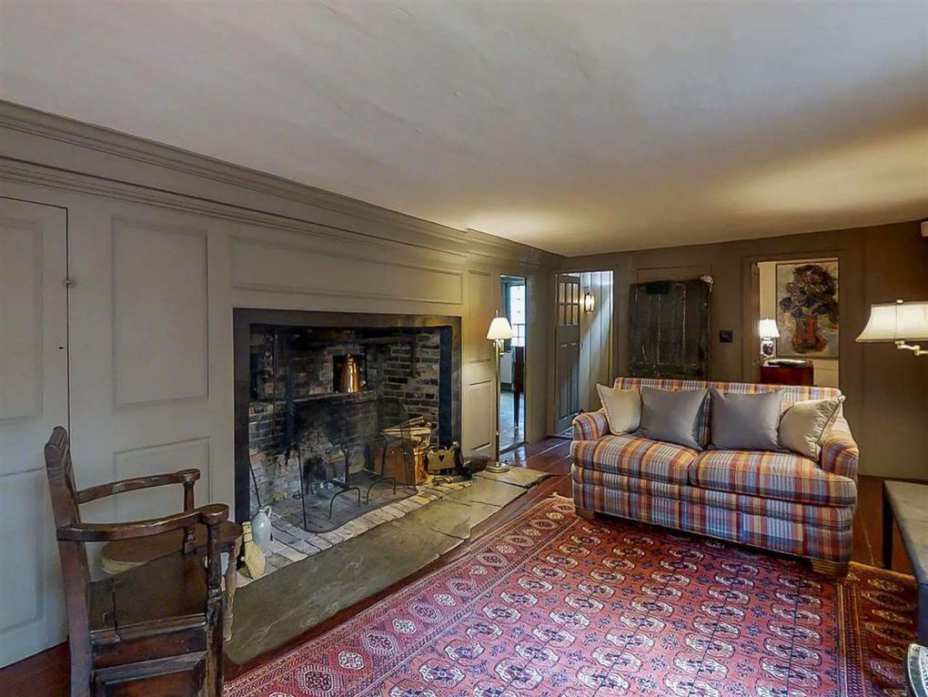
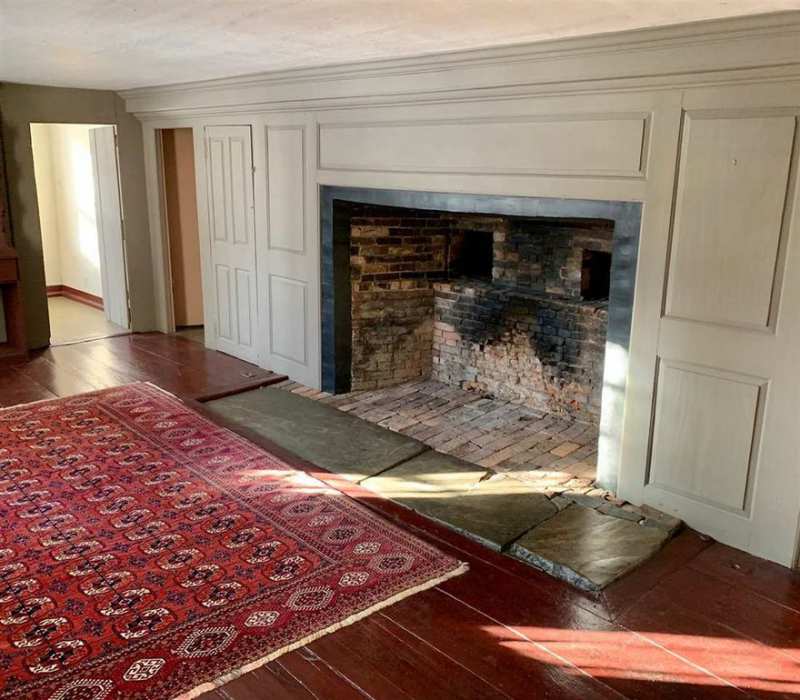
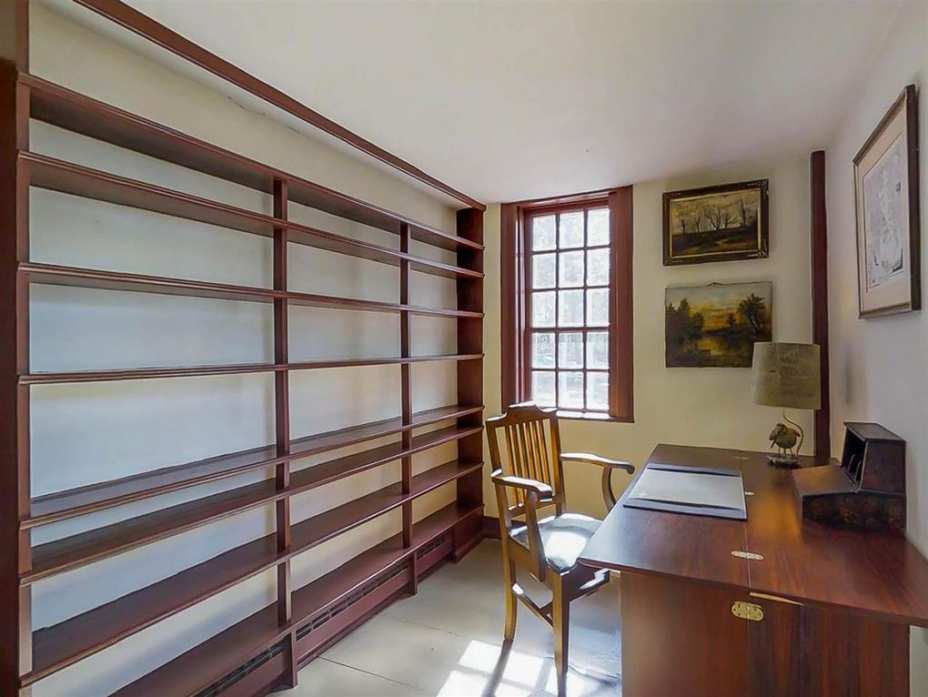
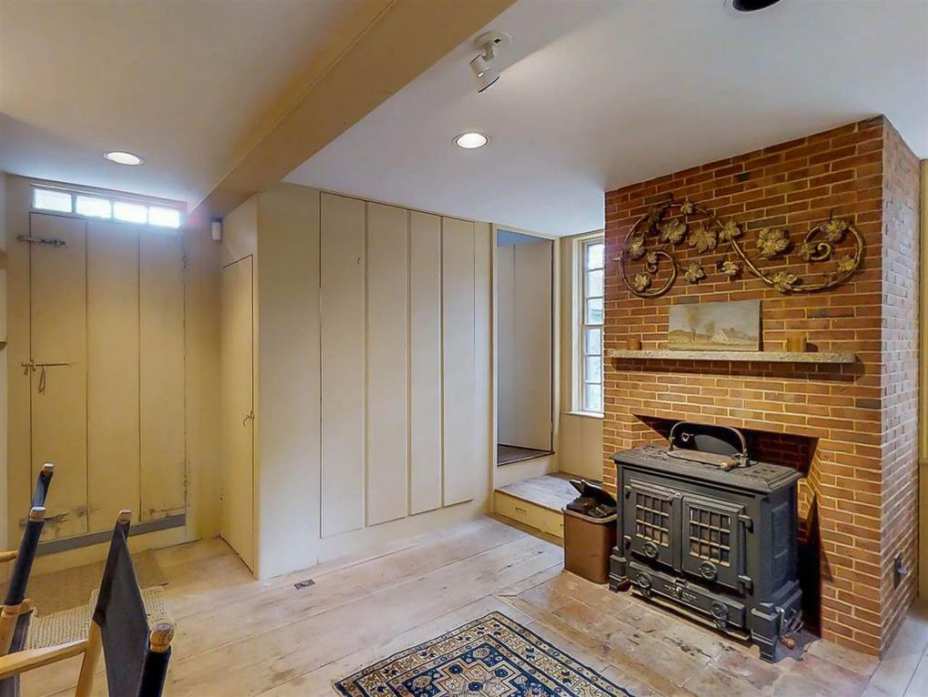
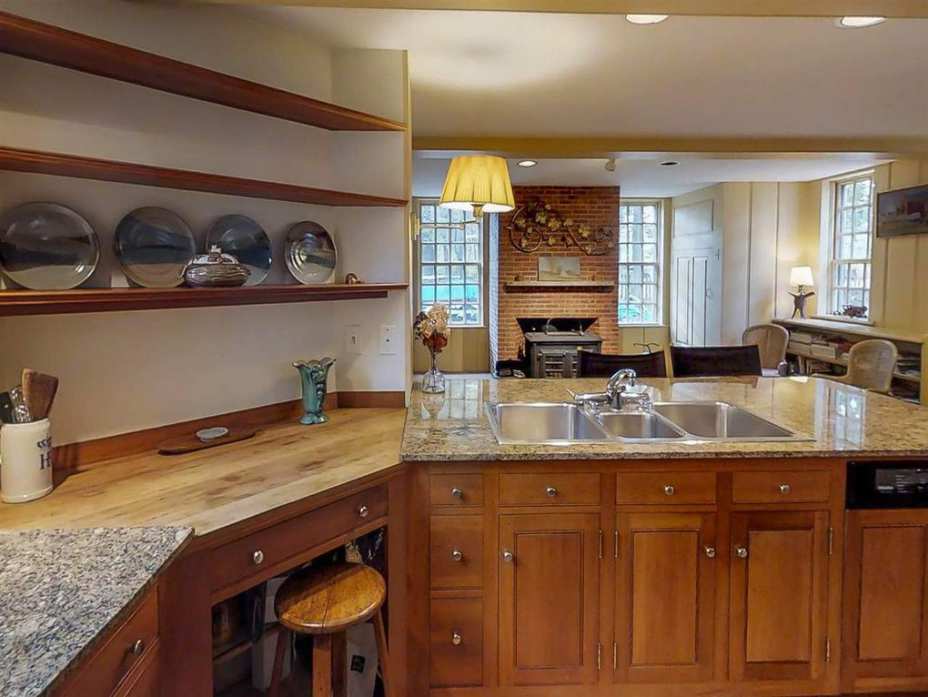
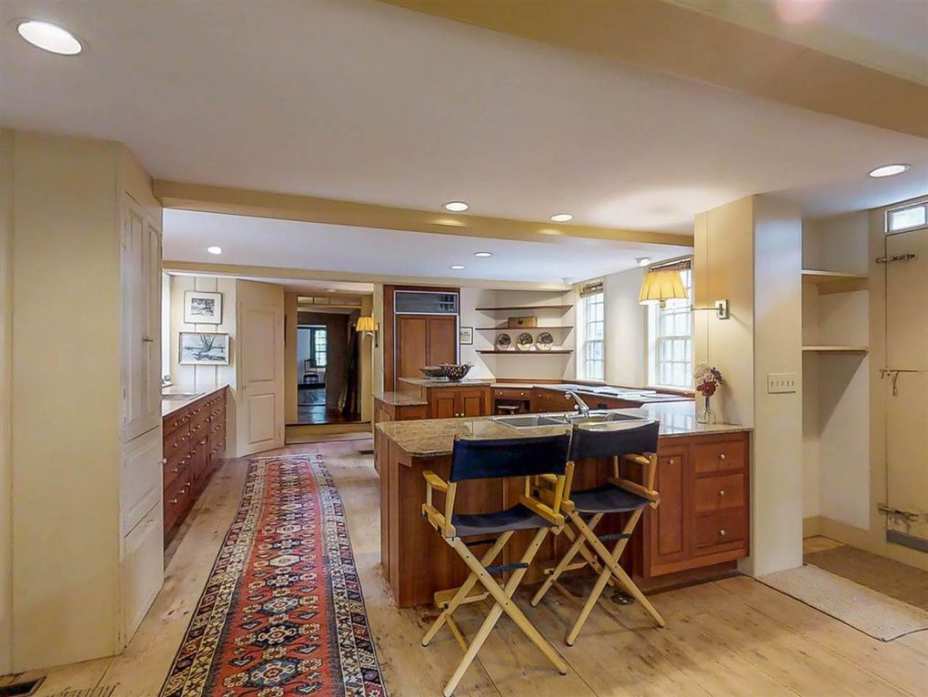
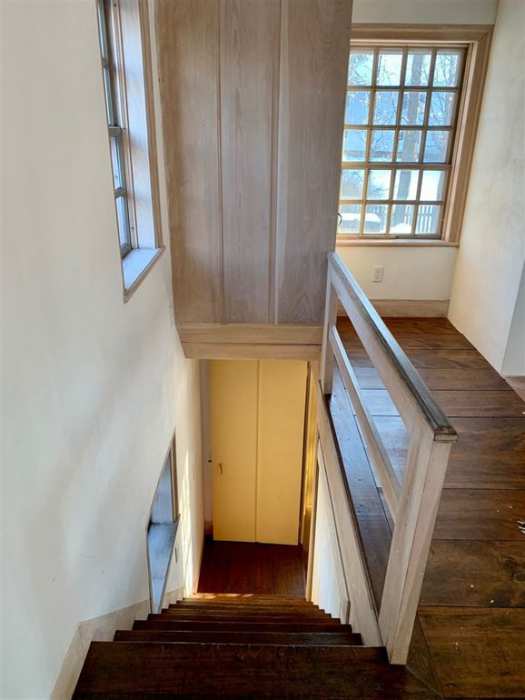
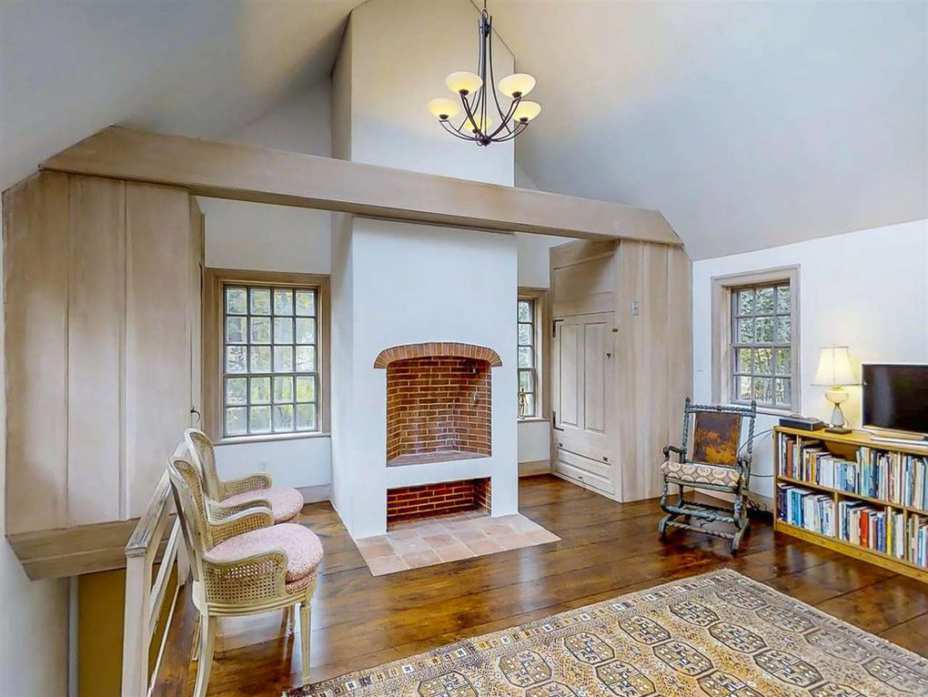
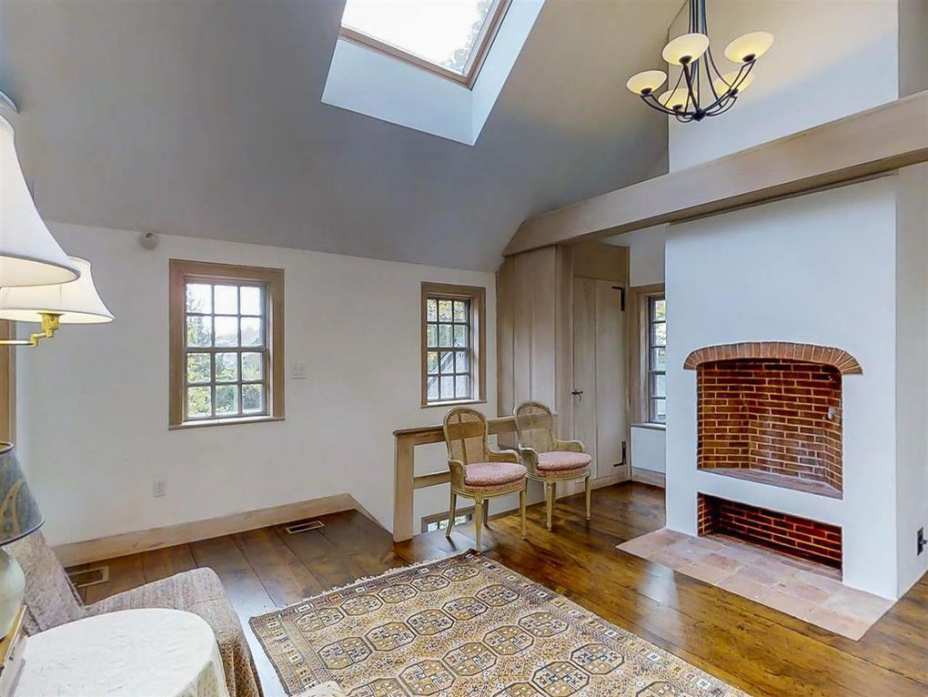
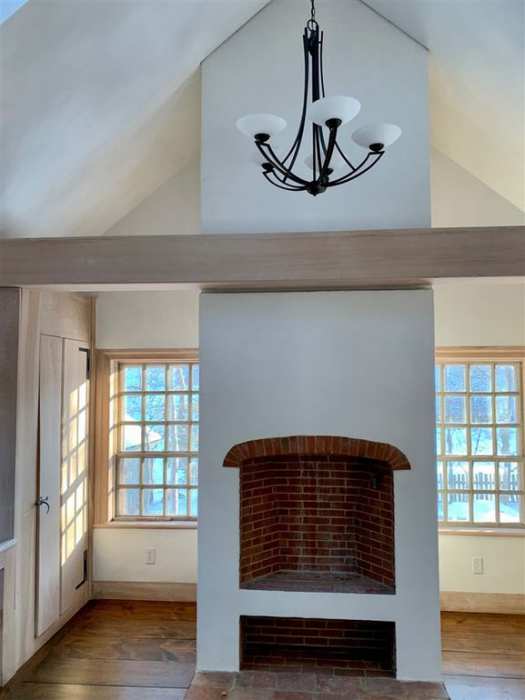
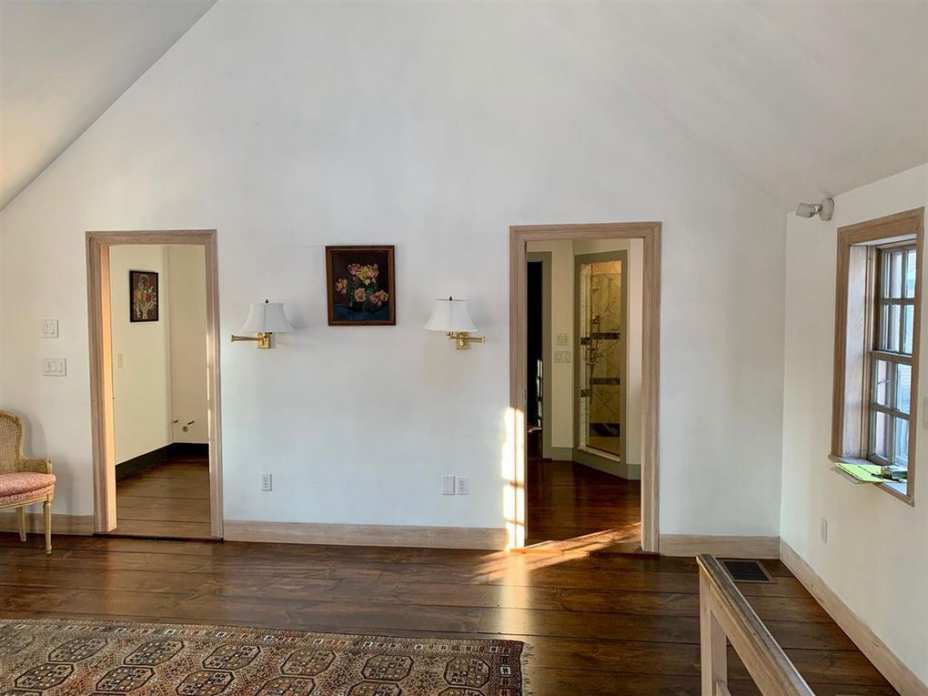
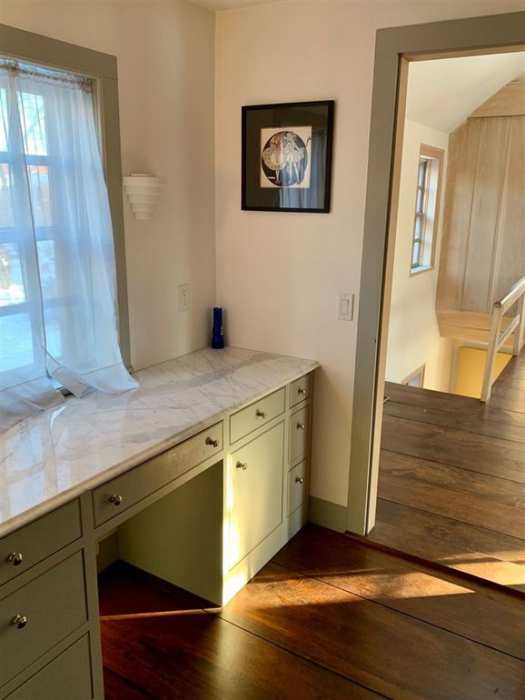
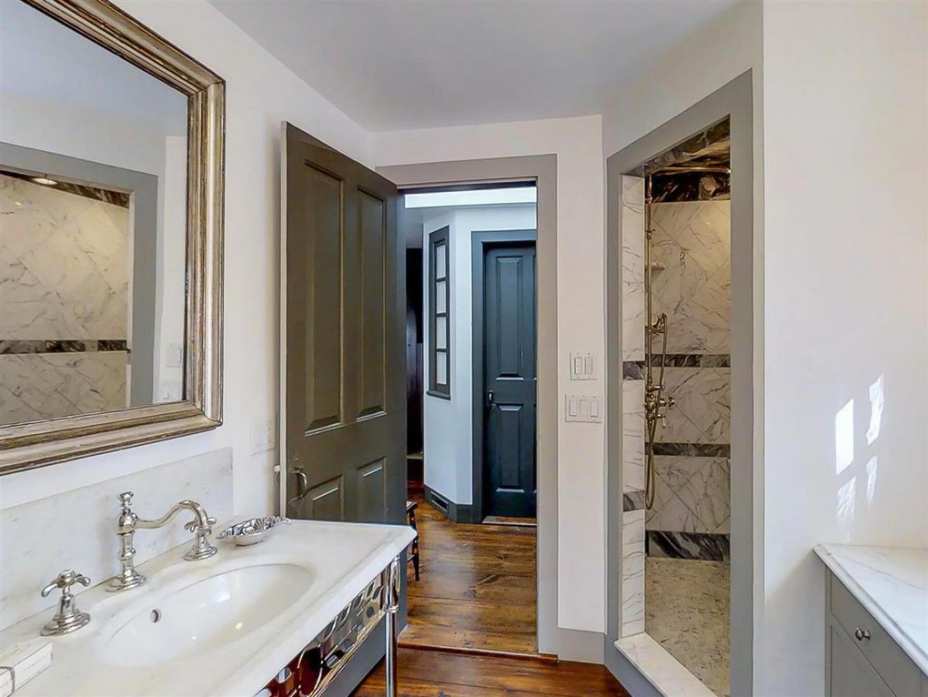
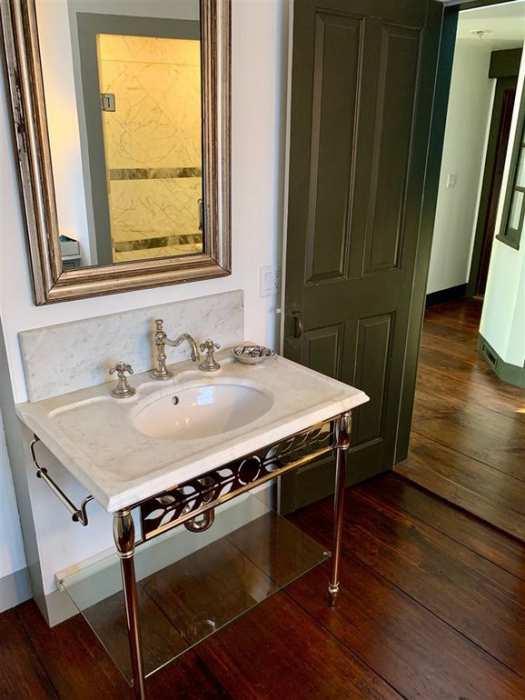
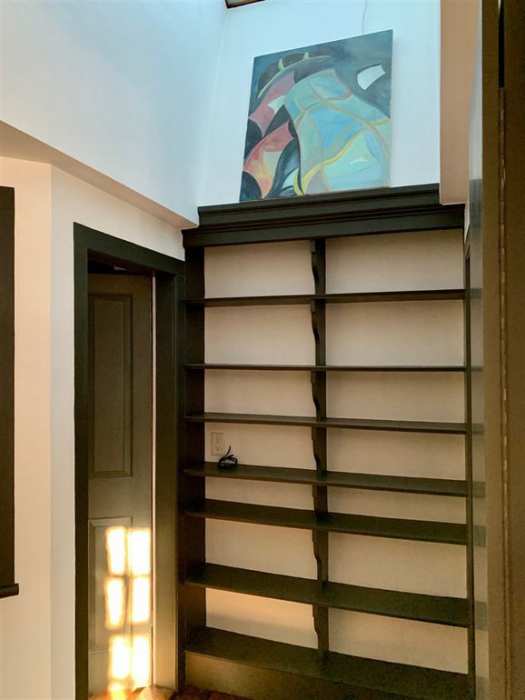
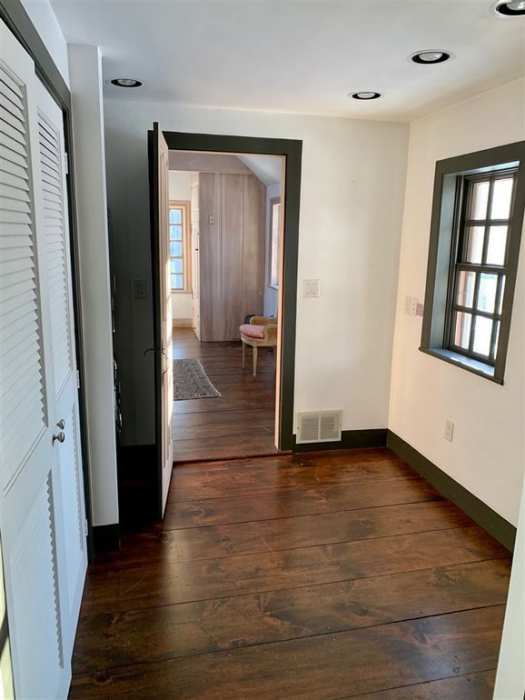
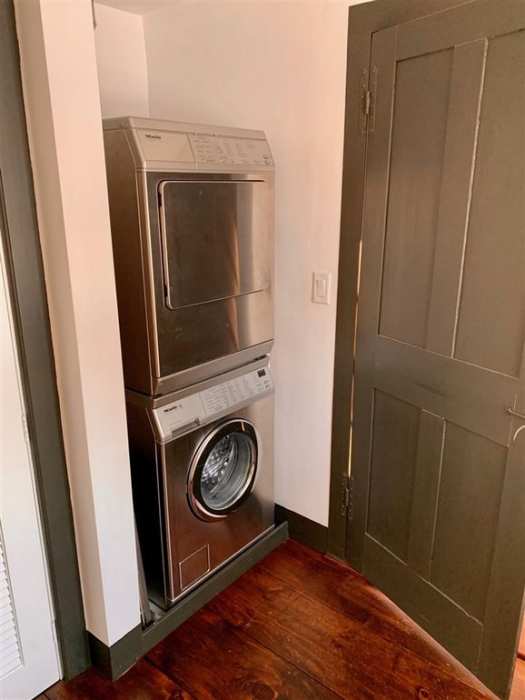
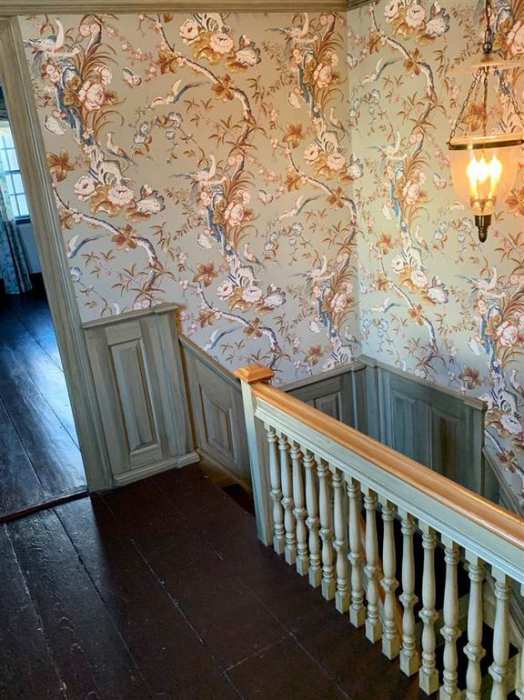
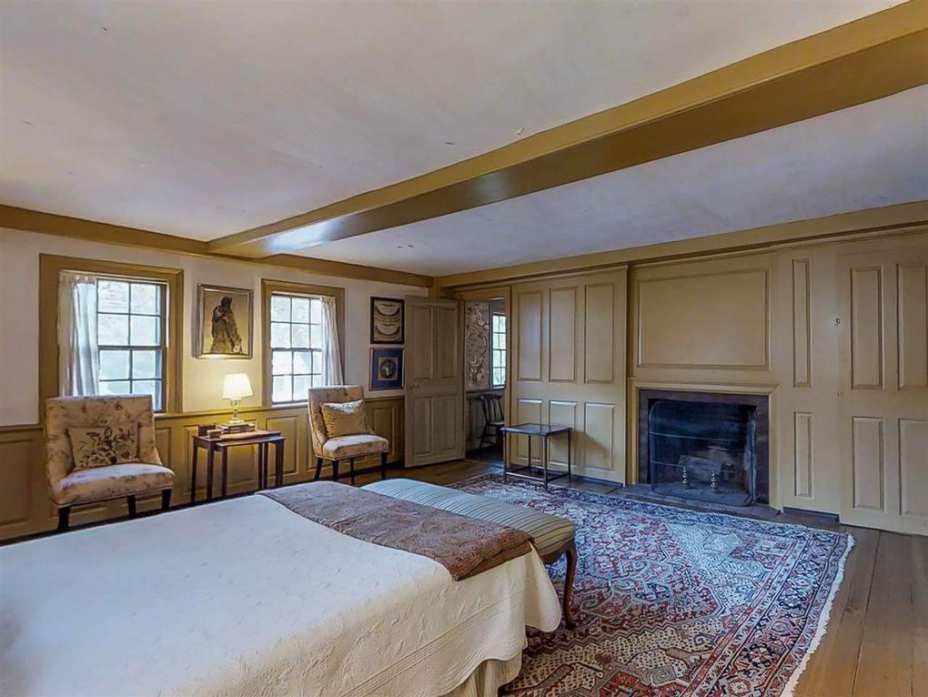
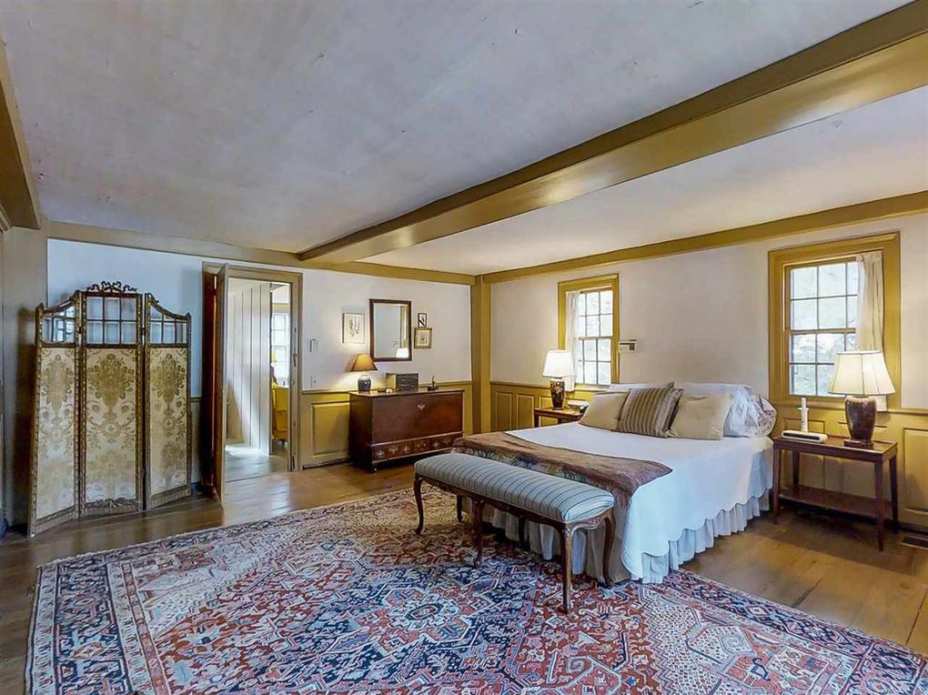
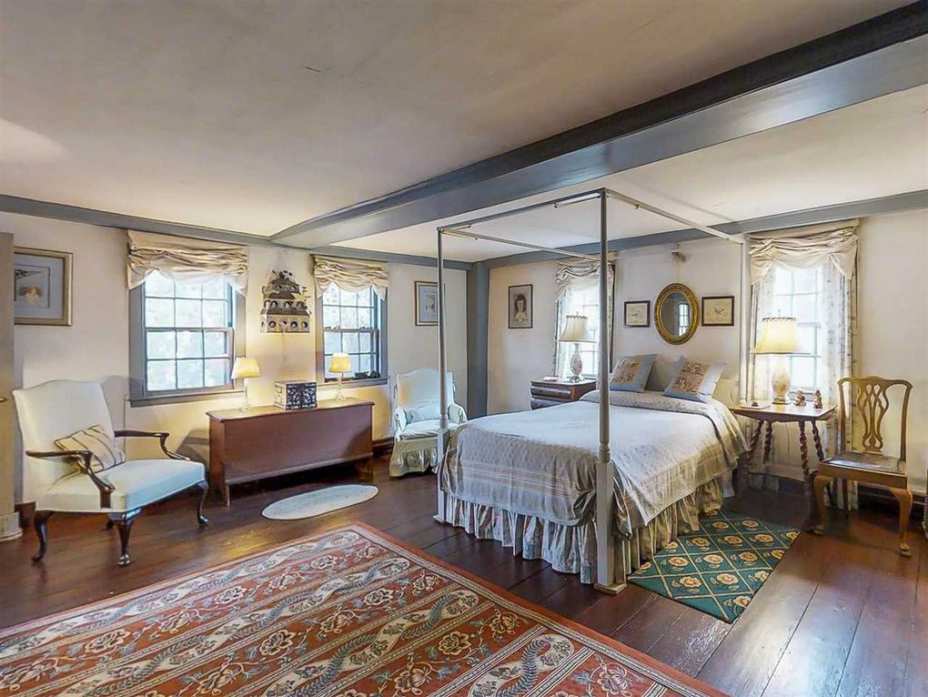
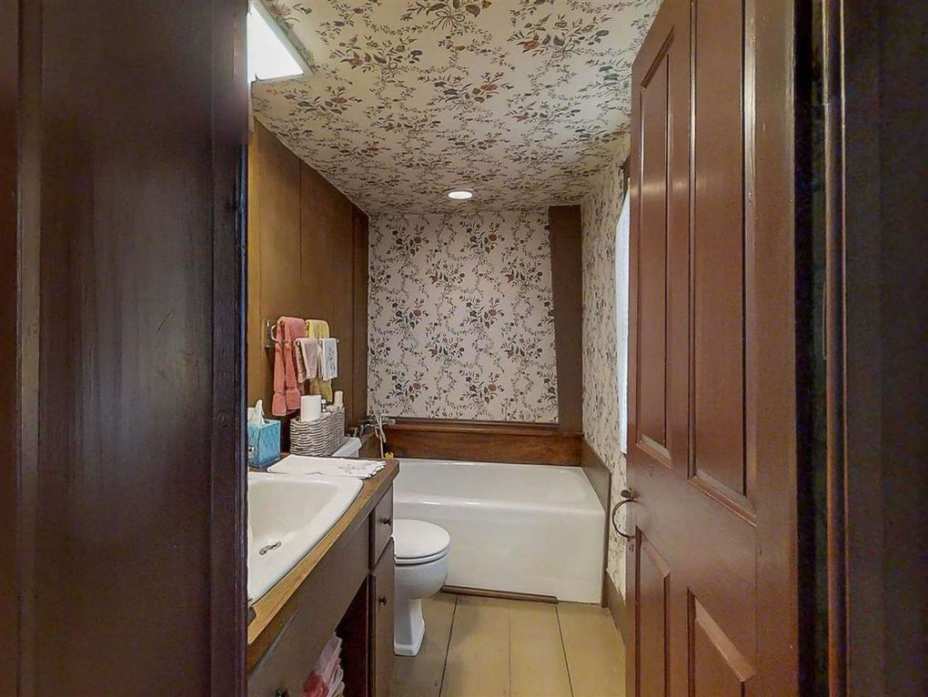
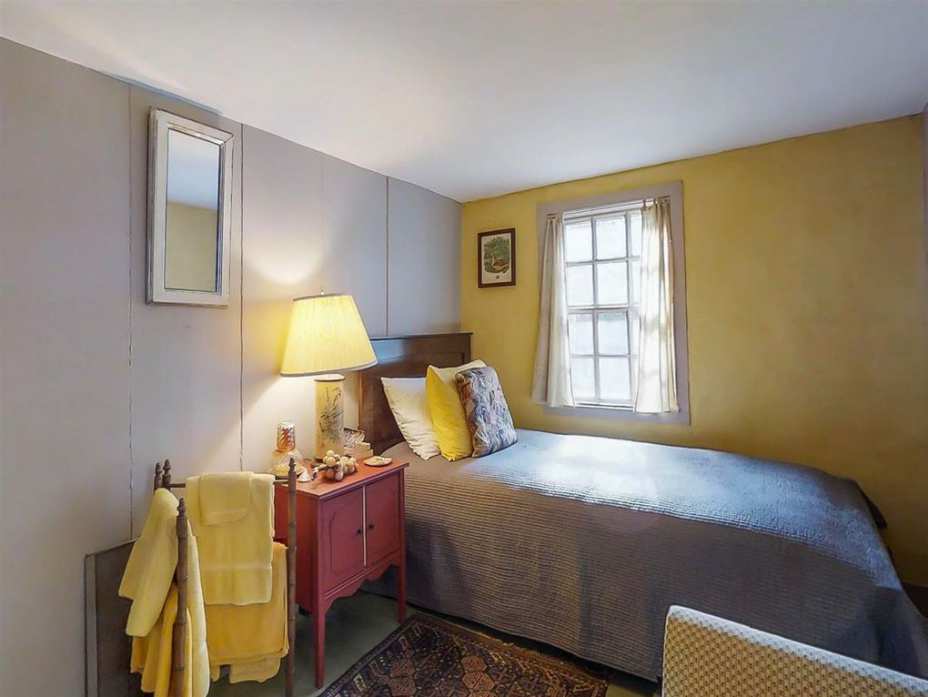
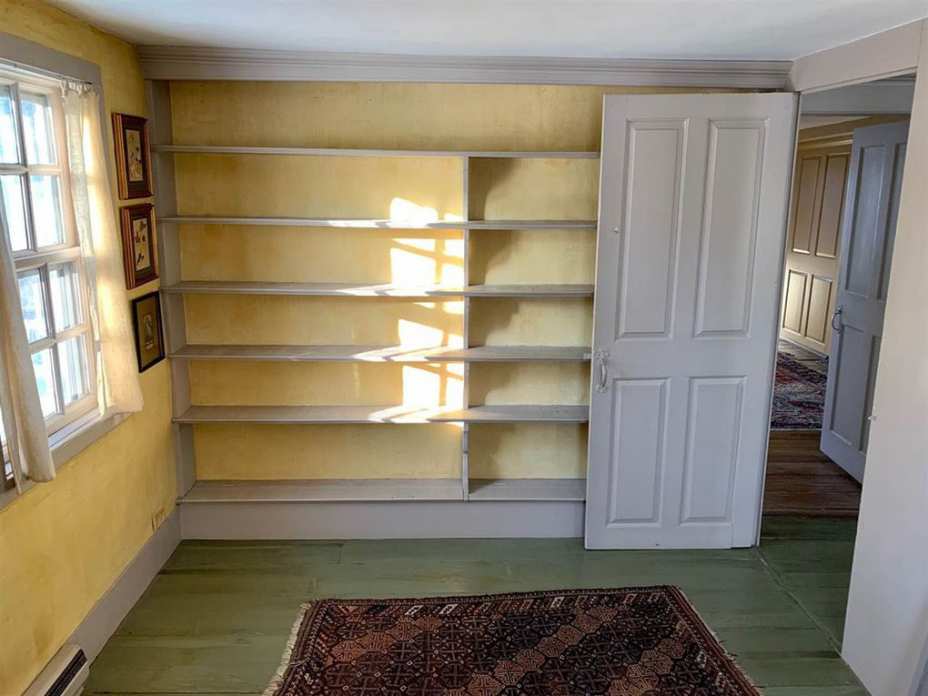
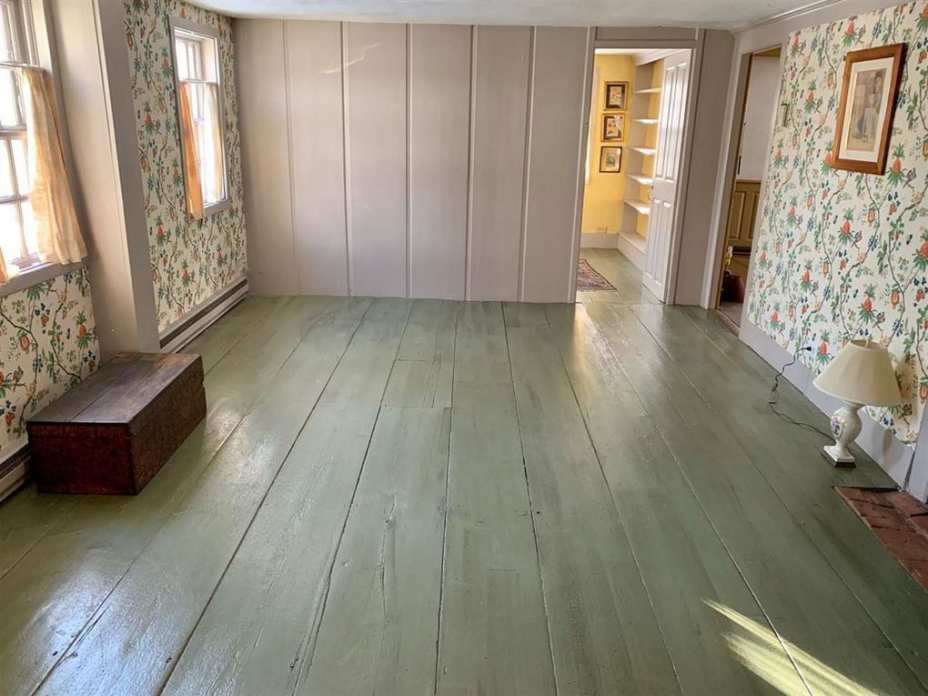
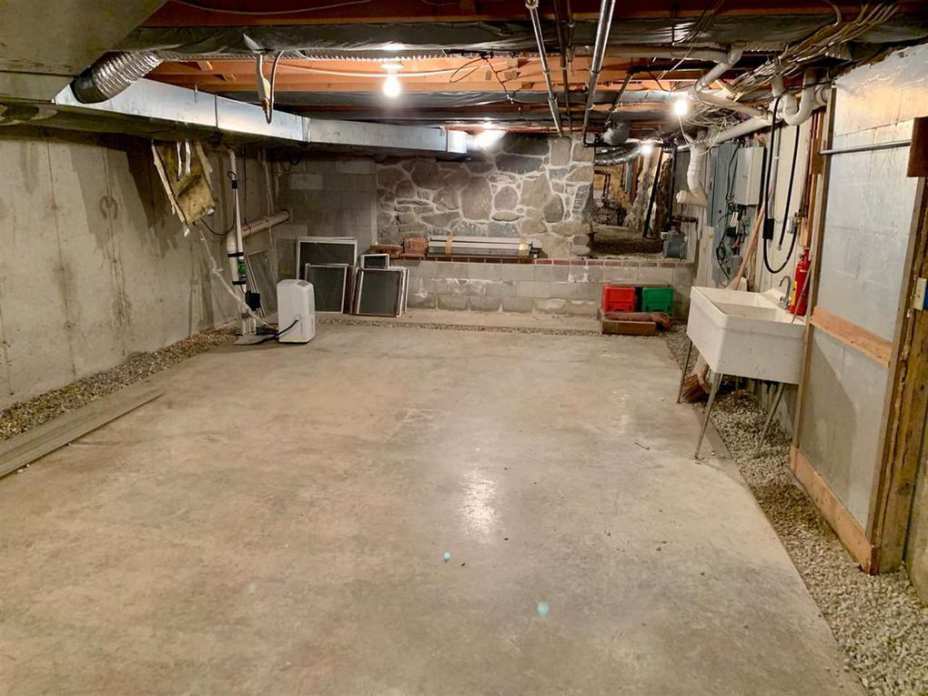
Beautifully restored early American Colonial with a twentieth century, contemporary addition featuring a large kitchen and master bedroom suite including ample dressing area. A massive center chimney defines the main house and has 6 fireplaces with 2 more in the addition. Many windows, some with antique wavy glass, give lots of natural light throughout this fine house. Elegant yet rustic, the home has a mix of natural and painted pine floors, built-in book cases in many of the rooms, marble shower bathroom with French Water Works fixtures, gun stock corner posts, raised paneling in the dining room, a huge stone hearth and a very efficient wood stove in the kitchen. There are 10 rooms, each with its own characteristics that invite new owners to use as they choose. This lovely property is located 3 blocks from downtown with a train station, new restaurants, a monthly Art Walk, and more. The bus route and UNH are close by.
4 Bed ∙ 2 three qtr, 2 half Bath ∙ 3,992 Sq Ft ∙ 0.39 Ac.
Was Listed With
Sara Treacy
RE/MAX Shoreline
(603) 431-1111
OHD Notes
From the walking tour: "This house was built ca. 1723 and was the residence of Capt. John Gage during the American Revolution. Gage’s wife, Judith, had a sister Rebecca who kept a school here for many years. She was known as “Marm Becky.” After Capt. Gage, Thomas Footman, who had previously been the Town Jailor, acquired the house and operated it as a tavern. In 1802, Dr. Jabez Dow, who had previously studied under Dr. Jacob Kittredge, returned to Dover to practice medicine. Dow acquired the house and practiced here until his death in 1839. He was one of the founders, in 1808, of the Strafford County Medical Society, and in 1818 was elected a Fellow of the N.H. Medical Society. He was the best know surgeon in Dover and the surrounding towns for 30 years. Mrs. Mary Edna Hill Gray married Henry Dow and moved here from her house at 137 Locust Street, after the death of her first husband George. In 1888 Mrs. Dow became the first woman president of Dover Horse Railroad Company. Noted as a remarkable woman, according to the New York Sun, she “was able to reduce fares from six cents to five, raise all her employees’ pay, double her insurance coverage, introduce a ticket system that cost her nothing because she solicited advertising for the banks on the stubs, supervise the purchase and care of all the horses, and still realize a hefty profit for the investors.” The short history of horse drawn trolleys in Dover came to an end soon after Mrs. Dow sold the railway to Henry W. Burgett of Massachusetts in 1889, who converted to an electric railway. Mrs. Down, who had been a newspaper correspondent, a French and German teacher, and assistant principal at Rochester High School, was also a vocal advocate of women’s suffrage. Each year her property taxes were paid under protest because she felt that she had no say in where her money was spent. She was also an accomplished homemaker winning State Fair blue ribbons for her jams, jellies, brown bread, and tatting patterns. She loved to hunt, fish, and swim, and was an avid gardener with the “best asparagus in Dover.” She also managed to raise three children. The Dow family and their direct descendents owned it until it was purchased by Portsmouth Preservations, Inc."





State: New Hampshire | Region: Northeast (New England) | Associated Styles or Type: Federal, Georgian | Period & Associated Styles: Colonial Era, Federal (1780-1840), Georgian (1700-1830) |